
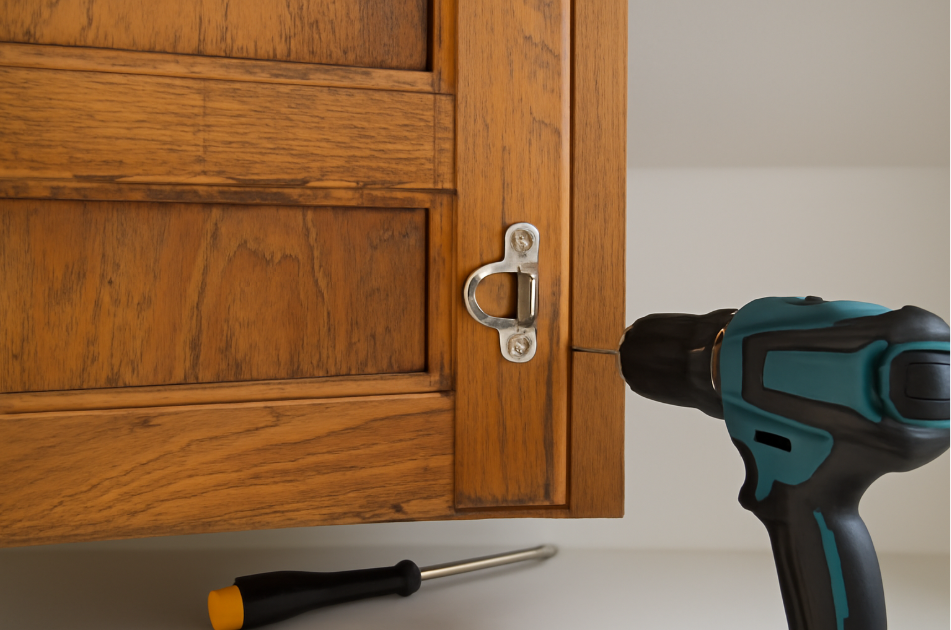
Is your cabinet door constantly swinging open, or maybe it’s uneven, making your kitchen or bathroom look less than polished? 🏚️ A loose cabinet door can be frustrating, and it’s a common issue many homeowners face. Whether from wear and tear, loose screws, or misaligned hinges, this small problem can quickly escalate into a bigger inconvenience if left untreated. But don’t worry! In this article, we’ll show you how to fix a loose cabinet door easily and effectively, using simple tools and methods anyone can follow. You’ll be amazed at how quickly you can restore your cabinet doors to perfect working order. 🛠️
By the end of this guide, you’ll not only know the exact steps to take but also understand how to prevent future issues, saving you time and money. Ready to give your cabinets the attention they need? Let’s dive into these practical solutions that will have your doors secure and looking as good as new!
Understanding the Problem
A loose cabinet door may seem like a small issue, but it can quickly become a nuisance, affecting both the functionality and look of your kitchen or bathroom. So, what causes this common problem, and how can you spot the signs? Let’s break it down.

Why Cabinet Doors Get Loose
Cabinet doors loosen for several reasons, and understanding the cause can help you fix the issue effectively. Here are the most common culprits:
- Worn-out or Loose Hinges: Over time, hinges can become loose due to frequent use or improper installation. This is one of the most frequent causes of loose doors.
- Misalignment: If your cabinet door has been bumped or jarred, it can shift out of alignment, causing it to hang unevenly.
- Damaged or Stripped Screws: Screws holding the hinges in place can wear out, strip, or break, making them unable to securely hold the door.
- Temperature and Humidity: Cabinets in kitchens or bathrooms often face humidity changes that can warp the wood, affecting how the door sits.
Signs of a Loose Cabinet Door
The most obvious sign that your cabinet door is loose is that it’s no longer functioning properly. Look out for these red flags:
- Uneven Gaps: If there’s a noticeable gap between the door and the frame, the hinges might be misaligned.
- Door Swinging Open: A door that swings open on its own is a telltale sign that the hinges are not secure.
- Clicking or Squeaking Noises: If you hear odd sounds when opening or closing the door, it could mean the hinges are loose or worn out.
Why Fixing a Loose Cabinet Door Matters
Fixing a loose cabinet door is more than just an aesthetic concern. Here’s why you should take action:
- Prevent Further Damage: A loose door can worsen over time, potentially damaging the cabinet frame or causing the hinges to break completely.
- Improve Functionality: A well-secured cabinet door is easier to open and close, improving the overall functionality of your space.
- Boost Curb Appeal: A properly aligned and secure door enhances the look of your kitchen or bathroom, making it feel more polished and organized.
Tools and Materials You’ll Need
Before you dive into fixing your loose cabinet door, it’s essential to gather the right tools and materials. Having everything on hand will make the process faster and easier, ensuring a smooth and successful fix. Let’s take a look at what you’ll need:

Essential Tools for the Job
Screwdriver (Flathead and Phillips)
- A good screwdriver is crucial for tightening screws and removing any old or stripped ones. Both flathead and Phillips screwdrivers are usually needed, depending on the screw type.
Drill
- If screws are stripped or if you need to create new holes, a drill will make the job much easier. It’s especially helpful for creating pilot holes for new screws.
Wood Glue
- If you’re fixing any cracks in the door or frame, wood glue can help add extra support. It’s great for reinforcing the structure of the door, especially if there’s any noticeable wear.
Level
- To make sure your cabinet door is perfectly aligned after adjustments, a level is key. It’ll ensure your door hangs straight and evenly, avoiding any gaps or misalignment.
Measuring Tape
- If you need to adjust the position of the door or the hinges, measuring tape helps ensure everything is aligned to the right dimensions.
Recommended Materials
Replacement Hinges
- If the hinges are rusted, bent, or too worn out, it’s time to replace them. New hinges will provide a more secure and stable fit.
Replacement Screws
- Over time, screws can get stripped or damaged. Having extra screws that fit your hinges will ensure a tight, secure hold.
Door Shims
- If your door is sagging or misaligned, door shims are thin pieces of material you can place between the cabinet and the door to correct the alignment. They help create a more even fit.
Cabinet Door Adjusters
- Some modern cabinets come with built-in adjusters that make it easier to realign doors. If your cabinet uses these, a simple twist or turn can solve alignment issues quickly.
Step 3: Replace Worn or Stripped Screws
Over time, screws can wear out or become stripped, making them ineffective at holding your cabinet door securely. If you’ve tightened the screws, but the door still feels loose, it might be time to replace them. Here’s how you can do it step by step:
Signs You Need New Screws
- Stripped Holes: If the screws spin in place without tightening, the screw holes may be stripped, making it difficult to secure the door properly.
- Broken or Bent Screws: If the screws are visibly damaged, they’re not providing the support your cabinet door needs.
How to Replace Worn or Stripped Screws
- Remove the Old Screws
Use a screwdriver to remove any old, damaged screws from the hinges. If the screw head is stripped, use pliers to grip and twist the screw out. - Fill Stripped Holes
If the screw holes are stripped, you can fill them with wood filler or matchsticks. Simply stuff the hole with the filler or sticks, let it dry, then drill new pilot holes for the screws. - Choose the Right Replacement Screws
Select screws that are the same size or slightly larger than the original ones. The length and thickness should match the hole and hinge size, ensuring a tight fit. - Insert New Screws
Use a screwdriver or drill to carefully insert the new screws into the hinges. Be sure to tighten them securely, but avoid over-tightening, as this can damage the wood or the hinges. - Check Alignment
Once the new screws are in place, check that the door is aligned properly. If needed, make small adjustments before fully tightening everything.
Preventative Maintenance Tips to Keep Cabinet Doors Secure
Now that your cabinet door is fixed and working smoothly, you’ll want to keep it that way for as long as possible. Regular maintenance and a few simple habits can go a long way in preventing future issues. Let’s take a look at some easy and practical tips to keep your cabinet doors secure and in top shape. 😊

1. Regularly Check Hinges and Screws
- How Often?
Set a reminder every 6 months to inspect the hinges and screws. Tightening screws early can prevent them from loosening over time. - What to Look For?
Check for any loose screws, rusted or bent hinges, and signs of wear. If you notice anything unusual, tighten or replace the parts immediately.
2. Avoid Slamming Cabinet Doors
- Why It Matters
Slamming doors puts unnecessary stress on the hinges, screws, and the cabinet frame. Over time, this can cause parts to loosen or even break. - What to Do?
Handle your cabinet doors gently, especially in high-traffic areas like the kitchen. Teach family members to close doors softly for longer-lasting hinges.
3. Install Door Bumpers
- Prevent Damage
Door bumpers are soft pads that cushion the door when it closes. They can reduce the impact on the hinges, which helps prevent loosening over time. - Where to Place Them?
Stick the bumpers on the inside corners of the cabinet frame where the door meets the frame. These simple additions can prolong the life of your cabinet doors.
4. Lubricate the Hinges
- Why Lubricate?
Hinges can become stiff or squeaky with time. Applying a bit of lubricant (like WD-40 or a silicone-based spray) can keep them moving smoothly and prevent wear and tear. - How to Lubricate?
Simply spray the lubricant on the hinge joints and wipe away any excess. Do this every 6 months to keep things running smoothly.
5. Check for Warping
- What to Look For?
Wooden doors can warp due to changes in humidity and temperature, leading to misalignment. If you notice your door isn’t closing properly or is sagging, it may need realignment. - How to Prevent Warping?
Keep your kitchen or bathroom well-ventilated to control humidity. You can also use a dehumidifier in particularly damp areas to protect wooden cabinets from warping.
When to Call a Professional
While most loose cabinet door issues can be easily fixed with a few tools and some DIY know-how, there are times when it’s best to call in a professional. Here are a few scenarios where professional help is the smart choice. 🛠️

1. Extensive Damage to the Cabinet Frame
If your cabinet frame is cracked, warped, or severely damaged, fixing it yourself may not be effective. A professional can assess the damage and provide a long-lasting repair, ensuring the door stays secure.
2. When Hinges or Doors Are Beyond Repair
If your hinges are badly rusted, broken, or bent beyond use, it might be time for replacements. A professional will have the right hinges and tools to install them properly, ensuring a perfect fit.
3. Persistent Misalignment
If you’ve tried adjusting the door several times, but it still won’t align properly, there could be a more complex issue at play. Professionals can adjust the entire door frame or even replace components to restore the door’s function.
4. You’re Dealing with Custom or High-End Cabinets
If you have high-end or custom-built cabinets, it’s crucial to make repairs carefully to maintain their value. A professional will be able to handle these cabinets with the expertise they require, ensuring everything stays intact and functional.
5. Lack of Time or Confidence to Do It Yourself
Not everyone has the time or confidence to tackle DIY projects, and that’s okay! If you’re not comfortable fixing the door yourself, hiring a professional can give you peace of mind, knowing the job will be done correctly.

Fixing a loose cabinet door is a straightforward task that can make a huge difference in both the functionality and appearance of your space. Whether you’re tightening screws, replacing worn-out hinges, or using some simple preventative maintenance tips, you now have all the tools and knowledge to keep your cabinets secure and operating smoothly. 🛠️
Remember, a little attention to your cabinets goes a long way in preventing future problems. Regular checks, gentle handling, and timely repairs will ensure your cabinet doors last longer and stay in great shape. 😊
And if the task ever feels too daunting, don’t hesitate to call a professional—sometimes a little extra help is all you need to get things back on track.
Now that you know exactly how to fix a loose cabinet door, it’s time to get to work! With these easy solutions, you’ll have your cabinets in top form in no time. Happy fixing! 👏