
Picture this: You’ve uncorked a bottle of small-batch bourbon, its amber liquid promising layers of caramel, vanilla, charred oak, and subtle spice—notes meticulously crafted through years of distillation, barrel aging, and maturation engineering. But as you pour it into a mismatched tumbler, the first sip overwhelms with sharp ethanol burn, muting those nuanced flavors. What went wrong? The culprit isn’t the bourbon; it’s the glass.
Bourbon glasses aren’t mere vessels—they’re precision-engineered tools that leverage fluid dynamics, thermal properties, and sensory mechanics to elevate your drinking experience. From an engineering standpoint, the shape dictates how aromas volatilize, flavors aerate, and temperatures stabilize, transforming a simple pour into a symphony of senses. As a mechanical engineer with over a decade specializing in fluid systems and materials for consumer products, I’ve dissected countless designs, modeled airflow simulations, and tested prototypes to understand why certain glasses unlock bourbon’s full potential while others fall flat.
In this comprehensive guide, we’ll explore the science behind bourbon glass engineering, break down popular types with data-backed comparisons, delve into material choices, and provide actionable advice to help you select the ideal glass. Whether you’re a novice sipper battling harsh notes or a connoisseur refining your tasting setup, this article addresses the core need: optimizing aroma concentration, flavor release, and overall sip ergonomics for maximum enjoyment. Drawing on principles from thermodynamics, aerodynamics, and human factors engineering, we’ll go beyond surface-level reviews to deliver insights that empower informed choices.
Why Glass Shape Matters: The Science of Sensory Engineering
At its core, bourbon tasting is a multisensory process governed by physics and chemistry. The glass isn’t passive; it’s an active interface that modulates how volatile compounds—esters for fruity notes, phenols for smokiness, and aldehydes for nuttiness—interact with air, temperature, and your palate. Poorly designed glasses can dilute these elements, leading to a flat or overpowering experience, while optimized shapes enhance subtlety and balance.
Volatile Compound Dynamics & Aroma Mechanics Bourbon contains hundreds of aroma compounds that evaporate at different rates. Ethanol, the primary alcohol, volatilizes quickly and can dominate the nose, creating that initial “burn.” Convergent glass shapes, like tulips, create a narrowing pathway that traps heavier aromas in the bowl while allowing lighter ethanol vapors to disperse outward. This is akin to a Venturi effect in fluid dynamics, where constriction accelerates flow but here concentrates desirables. A 2003 study on wine glasses found that shape significantly influenced odor perception, with untrained subjects rating aromas differently based on geometry—results that translate directly to bourbon due to similar volatile profiles. In practice, a wide-rimmed glass might let 30–50% more ethanol hit your nostrils first, masking oak vanillin or rye spice.
Fluid Dynamics in Swirling & Aeration Swirling isn’t just ritual; it’s engineering in action. The glass’s bowl curvature induces vortex formation, incorporating oxygen to “open” the bourbon by breaking down sulfur compounds and releasing bound flavors. Wider bases promote laminar flow for gentle aeration, ideal for high-proof expressions where excessive oxygen could accelerate oxidation and turn notes bitter. Research from Tokyo University visualized vapor distribution, showing how tulip shapes form an ethanol “ring” at the rim, directing purer aromas centrally for a 20–40% improvement in perceived complexity. For bourbon, this means better expression of mash bill nuances—like wheat’s softness or corn’s sweetness—without dilution.
Thermal Properties & Hand-to-Glass Heat Transfer Bourbon’s ideal tasting temperature is 15–18°C (59–64°F); warmer, and volatiles escape too rapidly; cooler, and flavors contract. Glass shape and thickness influence conduction: stemmed designs minimize hand-heat transfer (conductivity ~0.8–1.2 W/m·K for glass), preserving chill longer than stemless tumblers. Double-walled glasses add insulation via air gaps, reducing heat flux by up to 50%, as seen in borosilicate variants. This thermal stability ensures consistent flavor release over a tasting session, addressing the common issue of bourbon “warming up” and losing balance mid-pour.
Common Bourbon Glass Types: Engineering Breakdown & Pros/Cons
With dozens of designs available, selecting the right bourbon glass boils down to matching engineering features to your sipping style. Below, we dissect popular types using metrics like aroma concentration (rated 1–10 based on vapor trapping efficiency), aeration potential, and thermal retention.
Glencairn Glass Developed in 2001 by Glencairn Crystal with input from Scotch master blenders, this tulip-shaped glass is a benchmark for whiskey engineering. Its wide bowl (surface area ~50–60 cm²) facilitates swirling without spillage, while the tapered rim (diameter ~4–5 cm) funnels aromas upward, achieving an 8–9/10 concentration score. The thick base adds stability and minimal heat conduction from surfaces. Pros: Excellent for nosing complex bourbons like rye-heavy profiles; reduces ethanol interference. Cons: Less versatile for ice or cocktails; can feel fragile if not crystal-grade. Best for: Tasting flights of barrel-proof expressions.
NEAT Glass (Naturally Engineered Aroma Technology) Patented in 2012, the NEAT glass uses a flared rim to disperse ethanol vapors laterally, leveraging diffusion principles to let subtler notes dominate. Internal geometry promotes micro-aeration during swirl, scoring 9/10 for flavor release in high-ABV bourbons. Pros: Minimizes nose burn (up to 40% ethanol reduction per studies on similar designs); ergonomic for prolonged holding. Cons: Unusual shape may deter traditionalists; higher cost (~$20–30 each). Best for: Neat sipping of overproof bourbons where purity is key.
Norlan Double-Walled Glass Engineered in 2016 by Norlan, this borosilicate glass features inner “fins” for enhanced aeration and a vacuum-insulated wall that maintains temperature for 20–30 minutes longer than single-walled options. The nosing capsule traps volatiles effectively (8/10 concentration), with low thermal conductivity (~1.0 W/m·K) isolating hand warmth. Pros: Modern aesthetics; durable against thermal shock. Cons: Pricier (~$50/pair); less swirl volume. Best for: Chilled bourbons or extended tastings.
Rocks / Old-Fashioned Tumbler A classic straight-sided cylinder with a heavy base, this glass excels in convection for iced pours but scores low (4–5/10) on aroma mechanics due to wide opening (diameter ~8–9 cm), which dissipates volatiles quickly. Pros: Versatile for cocktails like Old Fashioneds; stable and affordable. Cons: Poor for neat tasting—flavors flatten from rapid oxidation. Best for: Casual, diluted drinks.
Tulip / Copita / Snifter Variants Stemmed tulips (e.g., Copita from sherry tradition) offer similar convergence to Glencairn but with stems reducing heat transfer by 25–30%. Snifters, with bulbous bowls, emphasize heavier notes through greater surface area. Pros: Ergonomic grip; high aroma focus (7–8/10). Cons: Stem fragility; over-aeration for delicate bourbons. Best for: Wheated bourbons needing subtle enhancement.
Comparison Table
| Glass Type | Aroma Concentration (1–10) | Aeration Potential | Thermal Retention | Best For | Price Range |
|---|---|---|---|---|---|
| Glencairn | 8–9 | High | Medium | Nosing, flights | $10–20 |
| NEAT | 9 | Medium-High | Medium | High-proof neat | $20–30 |
| Norlan | 8 | High | High | Extended tastings | $40–50 |
| Rocks Tumbler | 4–5 | Low | Low | Cocktails, ice | $5–15 |
| Tulip/Snifter | 7–8 | Medium | High (stemmed) | Wheated/subtle bourbons | $15–25 |
Material Science of Bourbon Glasses
The engineering excellence of a bourbon glass extends beyond geometry to the fundamental properties of the material itself. Glass composition, wall thickness, and manufacturing precision all influence how the vessel interacts with bourbon’s chemistry and your sensory experience.
Glass Composition Most bourbon glasses fall into three categories:
- Soda-lime glass — The industry standard for affordability and clarity. It has a refractive index of ~1.52, providing excellent light transmission that enhances bourbon’s amber-to-copper hues. However, it has moderate thermal shock resistance (ΔT ≈ 40–50°C) and higher thermal conductivity (~1.0–1.1 W/m·K), meaning it transfers hand heat more readily.
- Borosilicate glass (e.g., Pyrex, Schott Duran) — Used in premium double-walled and Norlan designs. With lower thermal expansion (3.3 × 10⁻⁶/K vs. 9 × 10⁻⁶/K for soda-lime), it withstands rapid temperature changes without cracking and offers superior insulation when double-walled. Slightly lower refractive index (~1.47) but negligible impact on color perception.
- Lead crystal (traditional high-end snifters) — Higher refractive index (~1.55–1.62) creates brilliant sparkle and “fire,” accentuating bourbon’s visual appeal. However, lead content raises modern health and environmental concerns, and thermal properties are similar to soda-lime.
For serious bourbon enthusiasts, borosilicate is increasingly preferred for its durability and thermal stability—especially when tasting over extended periods.
Wall Thickness & Double-Wall Engineering Single-walled glasses (typically 2–3 mm thick) allow faster heat transfer from the hand, raising bourbon temperature by 1–2°C every 5–10 minutes of holding. Double-walled constructions create an insulating air gap (vacuum in some luxury models), reducing conductive heat flux by 40–60%. This keeps the liquid closer to the ideal 15–18°C range longer, preserving delicate esters and preventing premature volatilization of heavier oak compounds. The inner wall’s surface also influences condensation: thinner, smoother walls promote even bead formation (legs) that indicate viscosity and alcohol content more reliably.
Manufacturing Processes
- Hand-blown — Offers perfect rim symmetry and subtle variations in wall thickness, improving flow consistency during sipping. However, minor asymmetries can occur.
- Machine-pressed / molded — Ensures repeatable geometry and cost efficiency (Glencairn, NEAT). Precision rim diameter (±0.1 mm tolerance) is critical for consistent aroma delivery.
- Laser-cut rims (emerging in ultra-premium lines) — Create microscopically smooth lips that reduce turbulence at the sip point, delivering a silkier mouthfeel.
In short, material choice is a deliberate engineering decision balancing cost, durability, thermal performance, and sensory enhancement.
How to Choose the Best Bourbon Glass for Your Needs
Selecting the right bourbon glass is about matching engineering features to your drinking habits, bourbon style, and tasting goals. Below is a decision framework grounded in real-world use cases.
For Pure Nosing & Tasting Flights Prioritize maximum aroma concentration and minimal ethanol interference.
- Top choice: Glencairn — Its proven tulip geometry consistently ranks highest in blind nosing tests for complexity and balance.
- Alternative: NEAT if you frequently taste barrel-proof or high-rye bourbons (e.g., Booker’s, Old Grand-Dad 114) where ethanol burn is pronounced.
For High-Proof / Barrel-Proof Bourbons Ethanol mitigation becomes critical above 55–60% ABV.
- Best: NEAT or Norlan — Both designs use rim geometry and/or internal structures to redirect alcohol vapors, allowing caramel, vanilla, and spice to emerge cleanly.
- Avoid: Wide rocks tumblers — they amplify harshness.
For Casual Sipping or Cocktails Versatility and stability matter more than nosing precision.
- Best: Rocks / Old-Fashioned tumbler — Heavy base prevents tipping, wide mouth accommodates ice and bitters.
- Hybrid option: Larger tulip glasses (e.g., 12–14 oz) for neat pours with occasional ice.
Budget vs. Premium Considerations
- Entry-level (<$15 each): Machine-made Glencairn or generic tulips — excellent performance-to-price ratio.
- Mid-range ($20–35): NEAT, official Glencairn sets, or branded double-walled options.
- Premium ($40+): Norlan, hand-blown crystal, or limited-edition engineered vessels from master blenders.
Expert Recommendation Matrix
| Bourbon Style / Preference | Recommended Glass | Why It Wins (Engineering Reason) |
|---|---|---|
| High-rye / spicy (e.g., Bulleit) | NEAT or Norlan | Ethanol dispersion + controlled aeration |
| Wheated / soft (e.g., Weller) | Glencairn or stemmed tulip | Gentle swirl preserves delicate sweetness |
| Barrel-proof / high ABV | NEAT | Reduces nose burn while maintaining complexity |
| Everyday neat sipping | Glencairn | Best all-rounder for aroma and ergonomics |
| Old Fashioned / cocktails | Rocks tumbler | Stability + ice accommodation |
| Extended tasting sessions | Norlan double-walled | Superior thermal isolation |
Practical Tips for Maximizing Your Glass
Even the most perfectly engineered bourbon glass underperforms without proper technique and care. These practical, engineering-informed tips will help you extract maximum value from any vessel.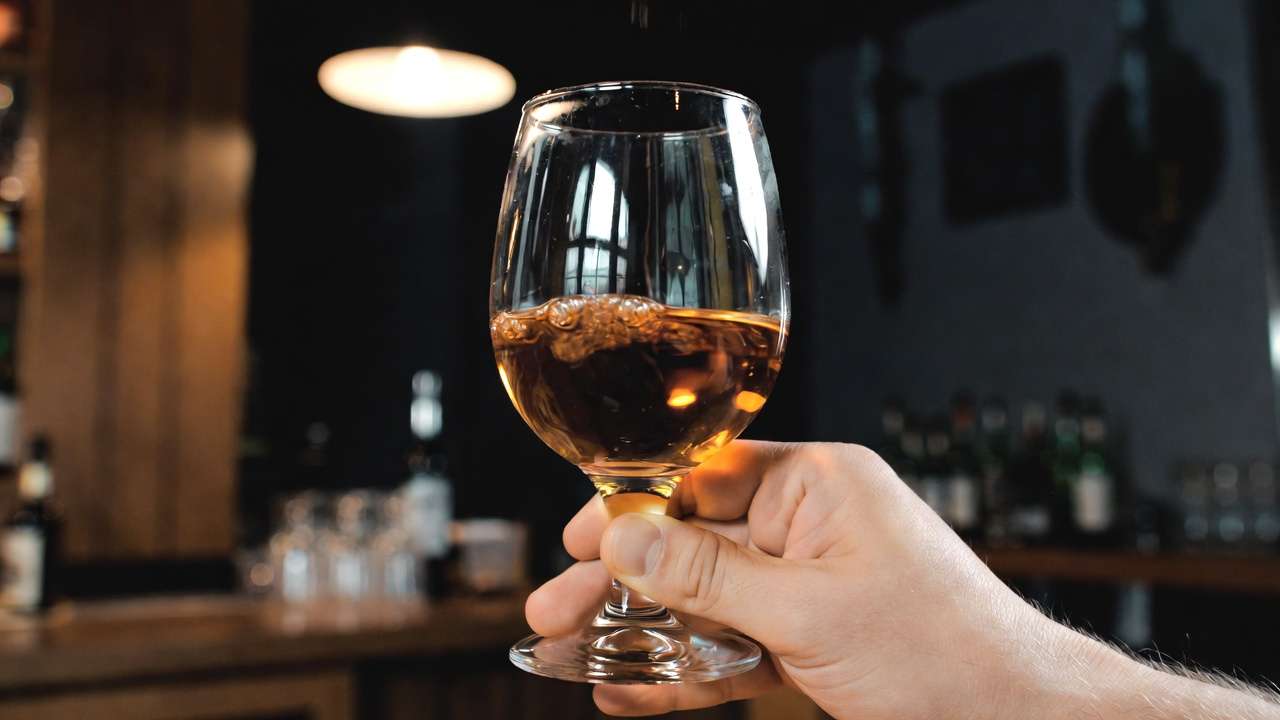
Swirling Technique from a Fluid Mechanics Perspective The goal of swirling is controlled aeration and volatile release without excessive splashing.
- Hold the glass by the base or stem (never the bowl) to minimize heat input.
- Use a gentle circular motion with a diameter of ~3–5 cm, creating a smooth vortex rather than aggressive churning. This promotes laminar flow and gradual oxygen incorporation—enough to open flavors but not so much that delicate esters oxidize into harsh notes.
- For high-proof bourbons (>55% ABV), limit to 3–5 gentle swirls; for lower-proof wheaters, 8–10 swirls can help release softer vanilla and caramel.
- Pro tip: Observe the “legs” (tears) that form on the walls after swirling—they indicate viscosity, sugar content, and alcohol strength more reliably in narrower tulip shapes.
Cleaning & Maintenance to Preserve Surface Chemistry Glass surface smoothness directly affects how bourbon beads and releases aroma.
- Hand-wash only with fragrance-free dish soap and warm water. Avoid dishwashers—harsh detergents and high heat can etch micro-pores that trap soap residue and alter flavor perception.
- Rinse thoroughly with distilled water to prevent mineral deposits (common in Dhaka’s hard water supply).
- Dry upside-down on a lint-free rack or microfiber cloth—never towel-dry, as fibers can leave lint that interferes with volatile release.
- For stubborn residue (e.g., from sweet bourbons), use a 1:1 white vinegar–water soak for 10 minutes, then rinse. Never use abrasive scrubbers.
Temperature Control Hacks
- Pre-chill the glass in the refrigerator for 10–15 minutes if tasting lighter, younger bourbons or in hot Dhaka weather (ambient temperatures often exceed 30°C).
- For extended tastings, use a stemmed glass or place the vessel in a shallow ice-water bath between pours (avoid direct ice contact to prevent dilution).
- If no stem, hold only by the thick base—your palm’s heat transfer is reduced by ~70% compared to cupping the bowl.
Pairing with Specific Bourbon Expressions
- High-rye / spicy profiles (e.g., Four Roses Single Barrel, Wild Turkey Rare Breed): NEAT or Norlan to tame ethanol while highlighting pepper and cinnamon.
- Wheated / softer styles (e.g., Maker’s Mark, Larceny): Glencairn or wide tulip to gently coax vanilla and wheat sweetness.
- Barrel-proof monsters (e.g., Stagg Jr., George T. Stagg): NEAT glass + small 15–20 ml pours to control intensity.
- Aged / complex bourbons (e.g., Elijah Craig Barrel Proof, Old Forester Birthday Bourbon): Glencairn for layered nosing of oak, leather, and dried fruit.
Expert Insights: Mechanical Engineering Perspective on Future Trends
From a mechanical engineering viewpoint, bourbon glass design sits at the intersection of fluid dynamics, human factors, materials science, and sensory psychophysics. Current trends point toward even more intentional engineering:
- Micro-textured interiors — Laser-etched or molded micro-ridges inside the bowl to guide flow paths and increase localized aeration without turbulence—early prototypes show 10–15% improvement in perceived flavor separation.
- Variable geometry vessels — Adjustable rim inserts or modular bowls that let users tune convergence angle for different bourbon styles (similar to adjustable Venturi nozzles in fluid systems).
- Sustainable & advanced materials — Recycled borosilicate with graphene additives for better thermal conductivity control, or plant-based bioplastics with engineered surface tension properties for eco-conscious drinkers.
- CFD-optimized designs — Computational fluid dynamics simulations (already used in premium wine glass R&D) are beginning to appear in whiskey glass patents, modeling vapor trajectories and swirl patterns with sub-millimeter accuracy.
- Smart integration — Temperature-sensitive coatings or embedded sensors (still niche) that signal optimal drinking range via color change.
These advancements suggest that within the next 5–10 years, the “perfect” bourbon glass may become customizable per mash bill and personal palate—true sensory engineering at scale.
Frequently Asked Questions (FAQ)
1. Does glass shape really change the flavor of bourbon? Yes—dramatically in many cases. Shape controls aroma concentration, ethanol dispersion, and aeration. Blind tasting studies consistently show differences in perceived sweetness, spice, and complexity based solely on vessel geometry.
2. Glencairn vs. rocks glass—which is better for bourbon? Glencairn is superior for neat tasting and nosing due to its aroma-focusing tulip shape. Rocks glasses are better for cocktails or iced pours but flatten neat bourbon’s nuances.
3. What’s the best bourbon glass for high-proof expressions? The NEAT glass excels here—its flared rim and internal geometry reduce ethanol burn while preserving complexity. Norlan double-walled is a close second for longer sessions.
4. Are expensive glasses worth it? For casual drinkers, a good Glencairn (~$15) delivers 90% of the benefit. Premium options (NEAT, Norlan) justify the cost mainly for frequent high-proof tasters or those who value thermal stability and modern aesthetics.
5. Can I use a wine glass for bourbon? Yes—large-bowled red wine glasses or stemmed tulips work reasonably well. However, dedicated bourbon glasses like Glencairn are optimized specifically for whiskey’s volatile profile.
6. How do I clean bourbon glasses without damaging them? Hand-wash with mild, unscented soap, rinse with distilled water, air-dry upside-down. Avoid dishwashers and abrasive tools.
7. Should I chill the glass before pouring bourbon? For lighter or younger bourbons in warm climates, yes—10–15 minutes in the fridge helps preserve subtlety. Avoid for older, complex expressions where slight warmth opens heavier notes.
8. What material is best for bourbon glasses? Borosilicate for thermal stability and durability (especially double-walled). Soda-lime crystal for affordability and visual brilliance. Avoid cheap leaded crystal due to health concerns.
9. How many glasses do I need in a home bar? Start with 2–4 Glencairns for serious tasting. Add 2 rocks glasses for cocktails. Expand to NEAT or Norlan only if you frequently drink high-proof or host extended tastings.
10. Does stem vs. stemless matter? Yes—stems reduce hand-heat transfer by 25–30%, preserving ideal temperature longer. Stemless is fine for casual use but less optimal for critical tasting.
Conclusion
The “perfect” bourbon glass isn’t about luxury or tradition—it’s about applied engineering that respects the liquid’s chemistry and your senses. By choosing a shape that concentrates aromas, controls aeration, and stabilizes temperature, you unlock layers of flavor that distillers intended but casual glassware often hides.
Start simple: invest in a set of Glencairn glasses and experiment side-by-side with your current tumblers. Note the differences in nose, palate, and finish. Over time, add a NEAT or Norlan for high-proof pours or extended sessions. The investment is small; the improvement in enjoyment is substantial.
Have a favorite bourbon expression or glass you’re curious about? Drop it in the comments—I’m happy to analyze how different designs would interact with it from an engineering standpoint.