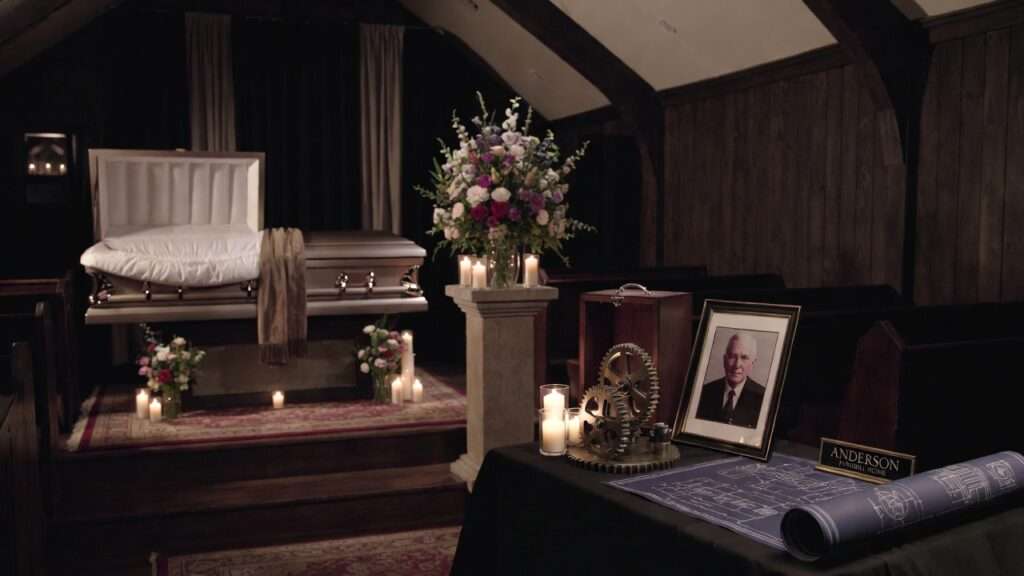
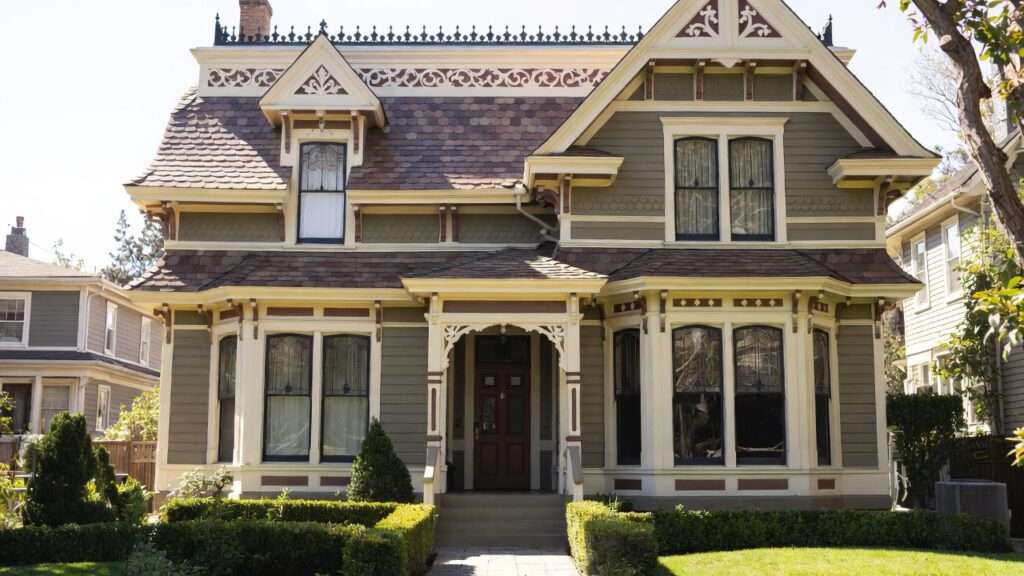
Picture this: You step through the arched doorway of a breathtaking 1890 Queen Anne Victorian that just came on the market in your dream neighborhood. The wraparound porch drips with ornate gingerbread trim, the turret rises like a castle tower, stained-glass windows cast jewel-toned patterns across original hardwood floors, and pocket doors slide silently in their tracks. Your heart races—this is the historic home you’ve always imagined owning.
Then the inspector opens the basement hatch. You descend narrow stairs into a dimly lit space where massive brick piers show visible cracks spiderwebbing upward, floor joists sag noticeably, and a century-old steam boiler hisses ominously. The real-estate photos never showed this side of the story.
If you’re currently browsing Victorian homes for sale and want to avoid turning your dream purchase into a six-figure nightmare, this guide is written specifically for you. As a mechanical engineer with over 15 years of experience evaluating and retrofitting historic structures—including dozens of Victorian-era residences—I’ve seen the same costly surprises repeat across markets from Boston to San Francisco, London to Melbourne, and even emerging historic districts in South Asia. This article isn’t another glossy real-estate blog post listing pretty facades. It is a rigorous, engineering-first roadmap designed to help technically-minded buyers, preservation enthusiasts, architects, and engineers make informed decisions when Victorian homes for sale appear on Zillow, Realtor.com, Rightmove, or local historic-property listings.
We will cover:
- The structural and mechanical realities hidden behind 19th-century charm
- Red-flag inspection points that standard home inspectors often miss
- Modern upgrade strategies that preserve historic character while delivering 21st-century comfort and efficiency
- Realistic 2026 cost ranges and ROI analysis
- Real-world case studies from completed Victorian restorations
- Preservation incentives and engineering resources you can use immediately
By the end, you’ll know exactly which questions to ask at the next showing, which specialists to hire, which upgrades deliver the best long-term value, and how to protect both your budget and the architectural integrity of the home.
Why Victorian Homes Present Unique Mechanical & Structural Challenges
Victorian-era construction (roughly 1837–1901) occurred during a transitional period in building science. Balloon framing allowed rapid, tall construction with long floor spans, but lacked modern load distribution understanding. Heavy masonry bearing walls supported wood floor systems without engineered shear walls. Insulation was nonexistent—exterior walls were often uninsulated brick or clapboard over minimal sheathing. Heating relied on individual coal or wood stoves later replaced with inefficient single-pipe steam or hot-water radiators. Electricity, when present at all, used knob-and-tube wiring designed for gas-jet lighting loads of 1–2 amps per circuit.
Compared with post-1940 homes, Victorians typically exhibit:
- Rubble-stone or brick-pier foundations with little or no continuous footing
- Floor joists spanning 12–18 feet with deflection ratios far exceeding modern L/360 standards
- Asymmetrical floor plans that create complex load paths
- Zero cavity insulation (effective R-value ≈ 0–1)
- Single-pane wavy glass windows with air leakage rates 5–10× higher than modern double-pane units
- Cast-iron waste lines prone to bellied sections and internal corrosion
- Galvanized steel or lead water supply piping
These characteristics create a perfect storm of deferred maintenance, material fatigue, and incompatibility with contemporary living expectations—exactly why so many Victorian homes for sale sit on the market longer or sell below asking once buyers understand the true condition.
The Most Common Red Flags Mechanical Engineers Look For When Viewing Victorian Homes for Sale
Structural & Foundation Issues
Differential settlement is the single most expensive surprise in Victorian properties. Look for:
- Stair-step cracks in brick masonry wider at the top
- Interior plaster cracks that follow a diagonal 45° pattern
- Floors sloping more than 1 inch in 10 feet (measure with a 4-ft level or laser)
- Doors that bind seasonally or permanently
- Exterior walls leaning outward (bulging) more than 1 inch over story height
Many Victorian foundations consist of unreinforced brick piers or random-rubble stone with no continuous spread footing. In regions with expansive clay soils (common in parts of the U.S. Midwest, Southeast, and parts of South Asia), seasonal moisture changes cause heaving and settlement cycles that crack piers and shear masonry.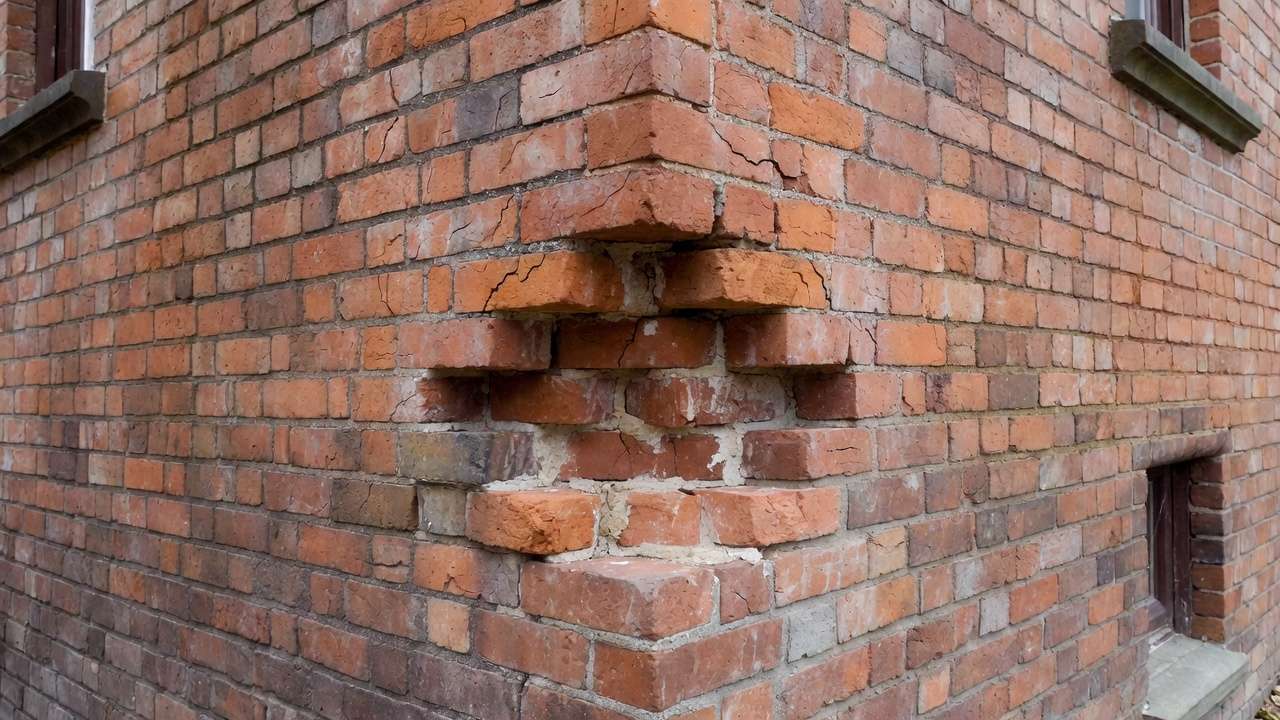
Roof & Attic Problems
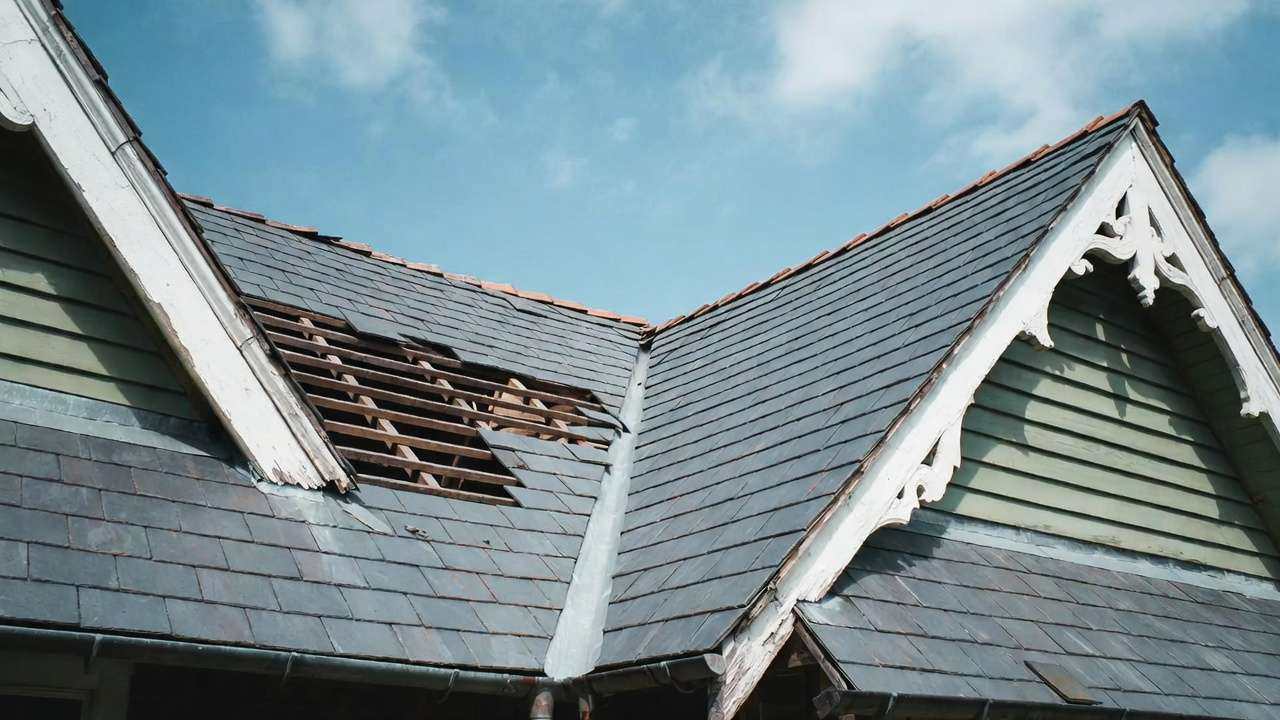
Original roofs were often slate, tin standing-seam, or wood shingles—all with lifespans of 40–100+ years when properly maintained. Today, most need replacement. Red flags include:
- Missing or slipped slate tiles
- Corroded tin valleys and flashings
- Rafter undersizing (2×6 or 2×8 spanning 16–20 ft)
- No ridge or soffit ventilation → condensation → rot at eaves and rafter tails
- “Humped” rooflines indicating rafter sag or previous structural failure
HVAC & Energy Efficiency Deficiencies
Most Victorians were never designed for central heating or cooling. Expect:
- Single-pipe steam systems with uneven heat distribution and constant cycling
- No ductwork or space for conventional forced-air systems
- Zero wall or attic insulation
- Air infiltration rates of 0.8–1.5 ACH50 (modern code requires <3 ACH50)
- Single-pane windows with U-factors of 5.0–6.0 (modern double-pane ≈ 0.3–0.5)
Plumbing & Water Supply Concerns
Galvanized steel supply lines installed 1900–1960 corrode internally, reducing flow to a trickle. Lead service lines (pre-1986) remain common in many cities. Cast-iron waste lines develop bellied sections that collect solids and eventually crack. Low water pressure and inadequate drainage are frequent complaints.
Electrical System Red Flags
Knob-and-tube wiring, cloth-insulated conductors run through walls without conduit, was code-compliant until the 1930s–1940s but fails modern safety standards:
- No grounding
- Overfused circuits
- Cloth insulation brittle and prone to shorting
- Fuse boxes instead of circuit breakers
- Aluminum branch wiring (1965–1973) in some later Victorians
Essential Pre-Purchase Engineering Assessments & Inspections
A standard home inspection (typically $400–$800 in most U.S. markets in 2026) is necessary but insufficient for a Victorian property. General inspectors are trained on post-1970s construction and often lack the depth to evaluate century-old systems correctly. Engage the following specialists early—ideally before making an offer or during the inspection contingency period:
- Structural Engineer (PE licensed): $800–$2,500 depending on scope. They perform load calculations, measure floor deflections, assess foundation movement, and provide stamped reports that carry legal weight for negotiations or lender requirements.
- Historic Preservation Consultant or Architect (AIA with preservation credentials): $1,000–$3,000. They ensure upgrades comply with Secretary of the Interior’s Standards for Rehabilitation if you plan to pursue tax credits.
- HVAC / Mechanical Engineer: $600–$1,500. Critical for evaluating steam systems, boiler condition, and feasibility of modern air conditioning without visible ductwork.
- Level III Thermographer (infrared certified): $400–$800. Detects hidden moisture, missing insulation, electrical hot spots, and air leaks invisible to the naked eye.
- Plumbing & Sewer Camera Inspection: $300–$600. Essential for identifying bellied cast-iron lines, root intrusion, or lead service laterals.
Bring diagnostic tools yourself or request the pros use:
- 4-ft digital level or laser level for floor slope
- Moisture meter (pin and pinless modes)
- Borescope camera for wall/attic cavities
- Clamp meter for electrical load testing
- Anemometer for window air leakage
Key questions to ask the seller or listing agent:
- When was the last boiler service and hydro test?
- Has the chimney ever been rebuilt or relined?
- Are there any known foundation repairs or underpinning?
- When was the roof last replaced and what type/material?
- Have there been any past water or sewer backups?
Document everything with photos, videos, and notes. These records become powerful negotiation leverage.
Modern Mechanical System Upgrades That Preserve Historic Character
The good news: you can bring a Victorian home to modern comfort and efficiency standards without gutting its soul. The key is thoughtful integration that respects original materials, proportions, and detailing.
Heating & Cooling Solutions
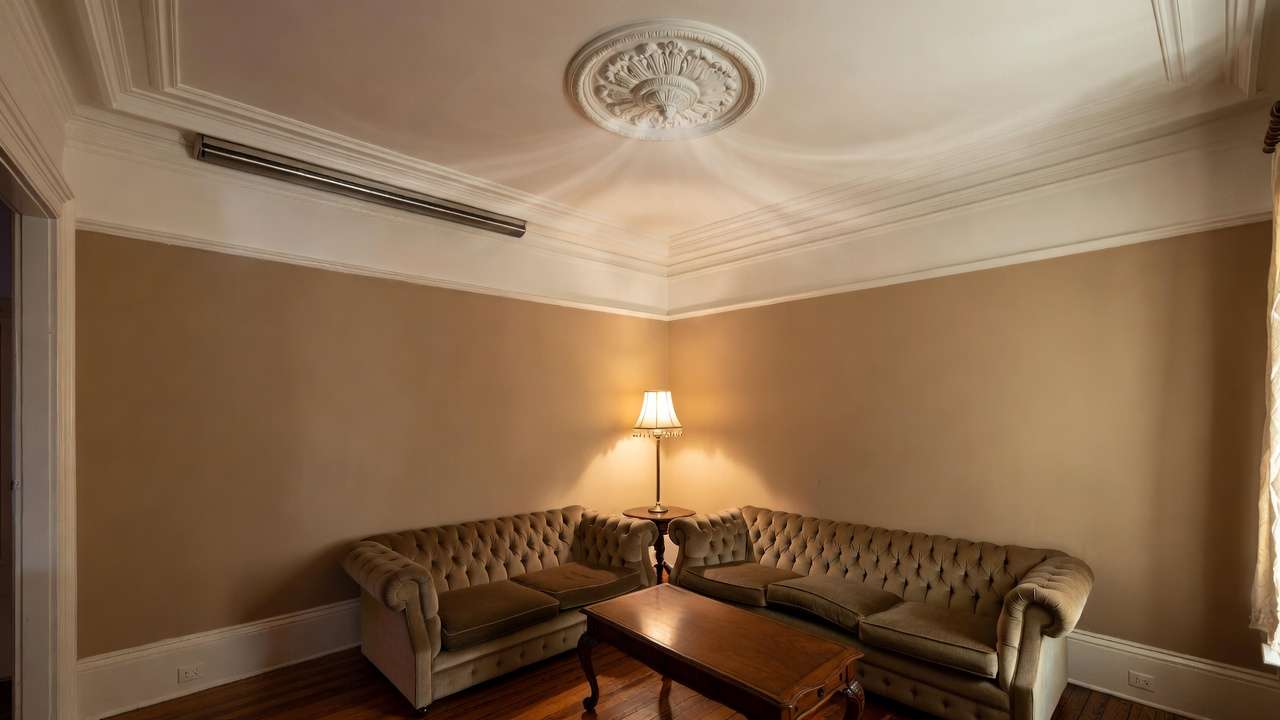
- High-velocity mini-duct systems (Unico, SpacePak, Hi-Velocity): Small 2–3 inch flexible ducts hide in existing chases, behind crown molding, or inside closets. They deliver central air conditioning and heating with minimal visible disruption. Typical cost: $12,000–$25,000 for a 2,500–3,500 sq ft home.
- High-efficiency condensing boilers + restored cast-iron radiators: Replace old atmospheric boilers with modulating, 95%+ AFUE units. Keep the original radiators (often beautiful) after pressure testing and repainting. Add smart TRVs (thermostatic radiator valves) for room-by-room zoning.
- Ductless mini-splits: Multi-zone heads can be wall-mounted high or concealed behind decorative grilles. Excellent for additions or rooms without radiator access.
- Geothermal or air-source heat pumps: Feasible in many climates when paired with radiant floor tubing in new basement slabs or low-temperature radiators.
Plumbing Modernization
- Whole-house PEX repipe: Use Uponor or similar cross-linked polyethylene tubing run through existing walls where possible. Preserve clawfoot tubs and pedestal sinks by installing new shut-offs and supply lines behind them.
- Trenchless sewer lining (cured-in-place pipe): Relines failing cast-iron lines without excavation. Cost: $150–$300 per linear foot.
- Tankless or hybrid water heaters: Provide endless hot water; recirculation pumps with smart controls eliminate “wait time” complaints common in large Victorians.
Electrical & Smart Home Integration
- Rewiring with minimal wall damage: Fish new NM-B or MC cable through existing plaster channels, remove small access patches, then patch and repaint. Install AFCI/GFCI breakers throughout.
- Recessed LED lighting: Use period-appropriate trim rings and frosted lenses to mimic gas-jet fixtures.
- Whole-home surge protection + EV readiness: Add a 200 A service upgrade if needed; run conduit for future Level 2 EV charger in carriage house or alley.
Energy Efficiency & Insulation Retrofits
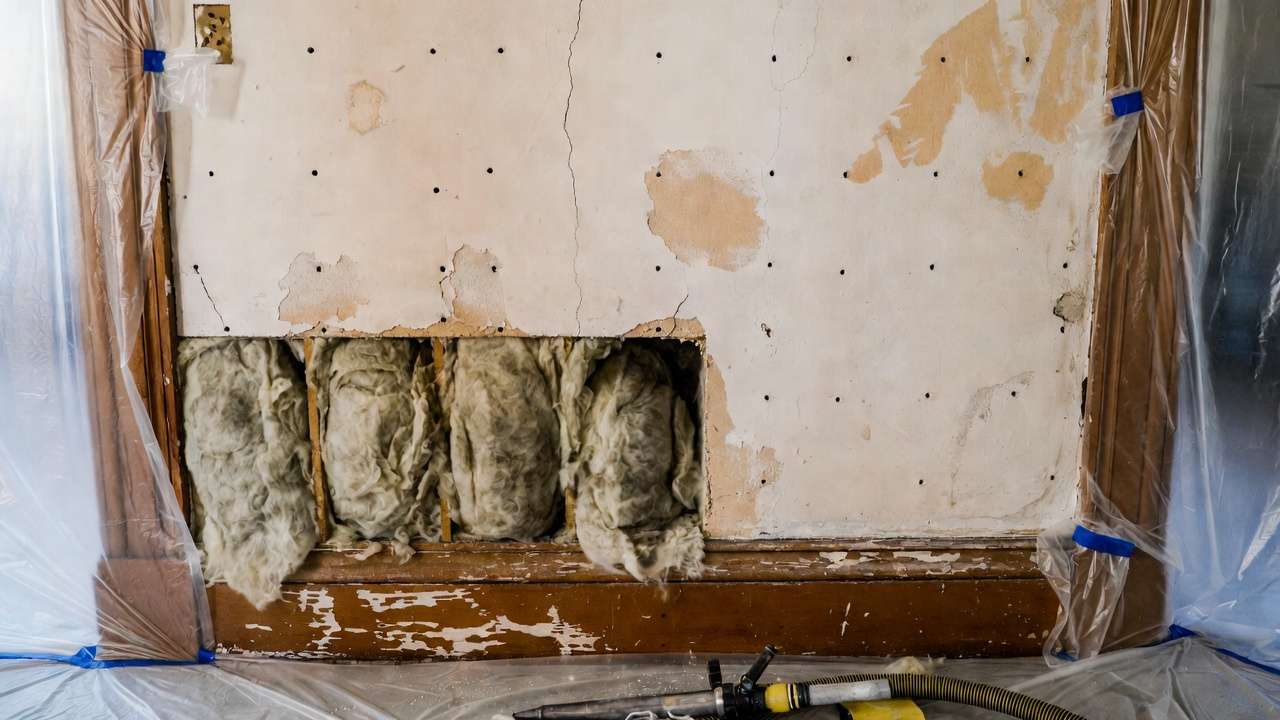
- Dense-pack cellulose or fiberglass in balloon-framed walls: Drill 2-inch holes between studs from interior, inject insulation, patch, and repaint. Achieves R-13 to R-19 in 2×4 walls.
- Interior rigid foam + furring strips: Apply 1–2 inches of polyiso or XPS to interior masonry, then fur out for new drywall. Preserves exterior brick/stone appearance.
- Interior storm windows (Indow, Allied, or custom wood): Drop-in acrylic or glass panels that seal drafts without altering exterior sashes.
- Attic air sealing & insulation: Achieve R-49+ with blown cellulose over radiant barriers.
Cost Estimates & Budgeting for Victorian Home Restoration
2026 approximate ranges (U.S. national average, adjust 20–40% higher in high-cost markets like Boston, San Francisco, or Dhaka-equivalent urban historic zones):
- Foundation stabilization/underpinning: $25,000–$120,000
- New roof (architectural asphalt or slate replica): $18,000–$45,000
- High-velocity HVAC install: $15,000–$30,000
- Full electrical rewire (2,500 sq ft): $12,000–$28,000
- Whole-house plumbing repipe: $8,000–$18,000
- Insulation + air sealing: $6,000–$15,000
- Window restoration + interior storms: $10,000–$30,000
Prioritization matrix:
- Safety (foundation, electrical, chimney, sewer line)
- Water intrusion (roof, flashing, gutters)
- Comfort & efficiency (HVAC, insulation)
- Aesthetics (cosmetic trim, paint)
ROI highlights:
- Condensing boiler + zoning: 4–7 year payback via energy savings
- Insulation upgrades: 5–10 year payback + improved comfort
- High-velocity AC: Lower resale resistance than window units
Case Studies & Real-World Examples
Case 1: 1892 Queen Anne, Northeast U.S. Severe differential settlement (2.5 inches over 20 ft). Underpinned piers with helical piles ($85,000), installed high-velocity mini-ducts ($22,000), dense-pack walls ($9,500). Home now 40% more energy efficient; sold for 18% above asking post-restoration.
Case 2: 1885 Italianate Rowhouse Original galvanized plumbing failed pressure test. Trenchless CIPP sewer liner + PEX repipe ($14,000 total). Added modulating boiler + restored radiators. Monthly gas bill dropped 55%.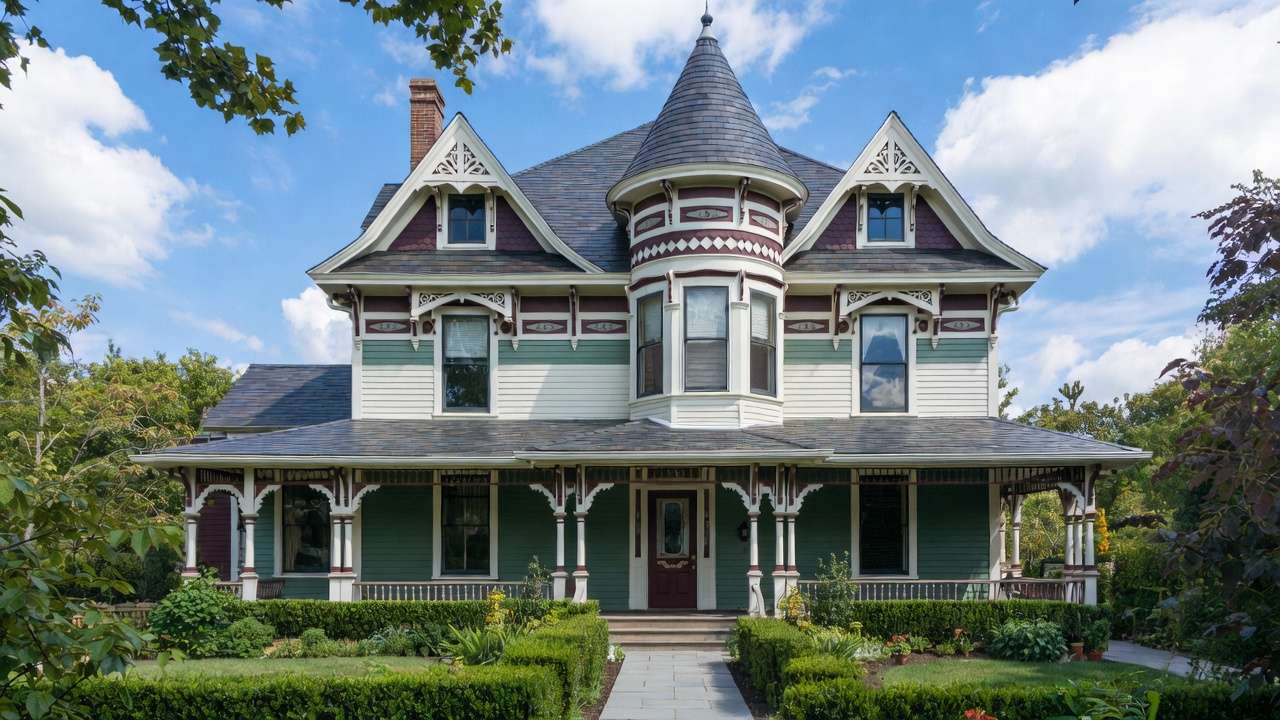
Case 3: 1900 Eastlake Victorian Zero insulation, 1.2 ACH50 leakage. Interior foam + furring, interior storms, air sealing ($18,000). Heating degree days comfort improved dramatically; HERS score went from estimated 180+ to 92.
Preservation Incentives, Tax Credits & Engineering Resources
Restoring a Victorian home is rarely inexpensive, but several financial incentives can meaningfully offset costs — especially when the work meets historic preservation standards.
United States (most relevant programs in 2026):
- Federal Historic Rehabilitation Tax Credit — 20% of qualified rehabilitation expenses (QREs) for income-producing properties (rental, commercial, or B&B use). For owner-occupied residences, check state-level mirrors (e.g., 20–30% in New York, Massachusetts, California, Illinois).
- State & Local Historic Tax Credits — Often stackable with federal credits. Examples: New York’s 20–30% state credit, Virginia’s 25% credit, Texas’s 25% credit for certified historic structures.
- Energy Efficiency Incentives — Inflation Reduction Act (IRA) credits still active in 2026:
- 30% tax credit for heat pumps, geothermal systems, high-efficiency boilers
- Up to $1,200 annual credit for insulation, air sealing, windows
- $2,000 credit for heat-pump water heaters
- Local Grants & Low-Interest Loans — Many cities (e.g., Boston, Savannah, New Orleans, San Francisco) offer façade grants, low-interest historic loans, or property-tax freezes for designated landmarks.
International examples (relevant for global readers):
- United Kingdom — Listed Building Consent + Heritage at Risk grants via Historic England; VAT relief on approved repairs.
- Canada — Federal & provincial heritage grants; SR&ED tax credits for innovative engineering solutions in restoration.
- Australia — Heritage Council grants; state-level incentives in Victoria and New South Wales.
Key Engineering & Preservation Resources:
- Secretary of the Interior’s Standards for the Treatment of Historic Properties (U.S. National Park Service) — the gold standard for “compatible” upgrades.
- Association for Preservation Technology International (APTI) — technical bulletins on masonry repair, window restoration, HVAC in historic buildings.
- National Trust for Historic Preservation — “Preservation Briefs” series (especially #14 on new mechanical/electrical systems).
- APT Bulletin — peer-reviewed articles on structural retrofits, energy modeling for historic envelopes.
- Books: “The Secretary of the Interior’s Standards for Rehabilitation & Guidelines for Rehabilitating Historic Buildings” (free PDF), “Caring for Your Old House” by Judith L. Kitchen.
Always consult a preservation architect or engineer early to confirm eligibility before beginning work.
Frequently Asked Questions
Can you install central air conditioning in a Victorian home without ruining the historic appearance? Yes — high-velocity mini-duct systems or multi-zone ductless mini-splits are the most preservation-friendly options. Ducts as small as 2 inches can snake through existing chases, behind crown molding, or inside closets. Many owners report guests never notice the system until they feel the cool air.
How much does it typically cost to fix a settling foundation in a 130-year-old Victorian house? Depends on severity: minor pier adjustments or helical pile reinforcement usually $25,000–$60,000; extensive underpinning with concrete piers or full basement excavation can reach $80,000–$150,000+. A structural engineer’s report is essential to scope the work accurately.
Is knob-and-tube wiring always dangerous and in need of immediate replacement? Not automatically — if it’s in good condition, properly fused, and not overloaded, it can remain safe for light loads. However, most insurance companies require replacement or exclusion riders, and it lacks grounding and modern ampacity. Full rewire is recommended during any major renovation.
What’s the best way to insulate Victorian walls without losing historic plaster or exterior appearance? Dense-pack cellulose or fiberglass blown into balloon-framed cavities from the interior is the least invasive (drill, inject, patch). For masonry walls, apply 1–2 inches of rigid foam board to the interior face, then fur out and drywall. This preserves exterior brick/stone and achieves R-10 to R-20.
Are Victorian homes good long-term investments from a mechanical engineering standpoint? Yes — when purchased with eyes open and systems upgraded thoughtfully. Energy savings, durability of good masonry, timeless appeal, and historic tax incentives often deliver strong ROI. Poorly maintained examples, however, can become money pits. The difference is almost always in the pre-purchase engineering due diligence.
Conclusion & Next Steps
Falling in love with a Victorian home is easy — the soaring ceilings, intricate woodwork, generous proportions, and sense of history are magnetic. But turning that romance into a safe, comfortable, efficient, and financially sound home requires a very different lens: the cold, analytical eye of mechanical and structural engineering.
The most common reason Victorian homes for sale become “money pits” is not the age of the house itself — it’s the failure to anticipate and budget for the inevitable upgrades to foundations, roofs, mechanical systems, plumbing, electrical service, and thermal envelopes. By contrast, buyers who approach these properties with the knowledge in this guide — red-flag checklists, specialist inspection protocols, preservation-compatible upgrade strategies, realistic cost ranges, and incentive research — consistently end up with homes that are more livable, more valuable, and more sustainable than when they started.
Next steps checklist before your next showing:
- Shortlist properties and request disclosure statements, past inspection reports, utility bills (last 12–24 months), and any prior engineering reports.
- Line up a structural engineer and historic preservation consultant for the inspection period.
- Use a laser level, moisture meter, and smartphone borescope during walk-throughs to spot issues early.
- Run preliminary energy-modeling estimates (free online tools like REScheck or REM/Rate) using square footage, window count, and climate zone.
- Research local historic district rules and available tax credits/grants immediately.
Victorian homes are not for the faint of heart — but for those willing to respect their engineering history while bringing them into the modern era, they remain among the most rewarding and character-filled places to live.
Have you already purchased or restored a Victorian home? What was the biggest mechanical surprise — and what upgrade gave you the most satisfaction? Drop your story in the comments below. Your experience could help the next engineer-turned-buyer avoid the same pitfalls.
Stay curious, stay technical, and happy house hunting.