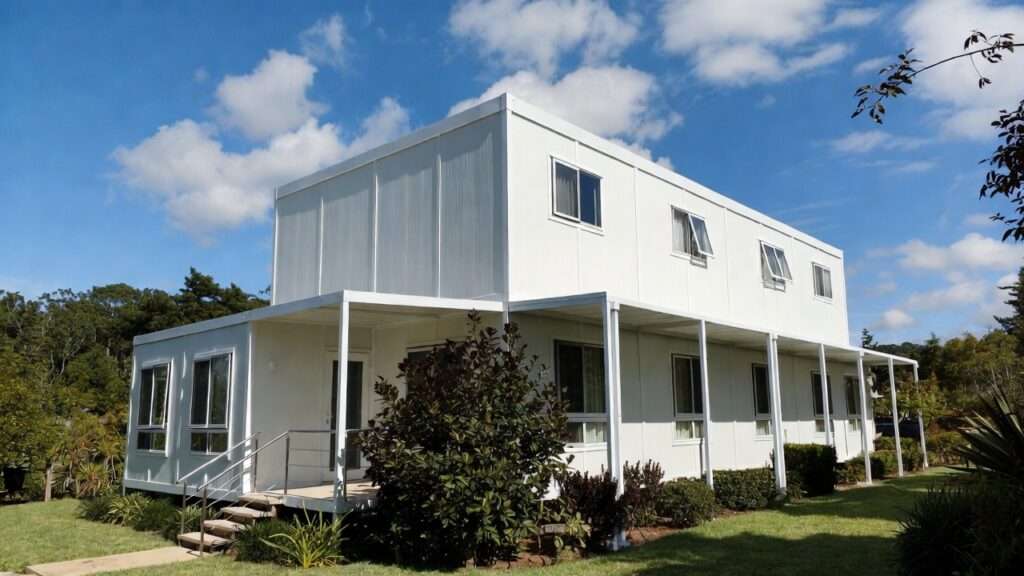
In rapidly growing cities like Dhaka, where land prices have doubled in the last five years and traditional construction timelines stretch 18–36 months due to monsoon delays, labor shortages, and supply-chain disruptions, many families and developers are turning to a faster, more predictable alternative: 2 story modular homes. These factory-built, two-level residences promise move-in readiness in as little as 3–6 months, tighter quality control, and potentially lower lifetime energy costs—all while delivering the square footage and layout flexibility of a conventional two-story house.
Yet most online articles and builder websites stop at glossy floor plans, generic “pros & cons” lists, and marketing claims of “up to 30% savings.” They rarely explain the engineering realities that determine whether a 2-story modular home will perform reliably for decades or become a source of costly callbacks. As a mechanical engineer who has designed, peer-reviewed, and commissioned modular multi-story residential projects across seismic and high-wind zones (including Bangladesh, Southeast Asia, and North America), I’ve seen the same critical details overlooked time and again: module-to-module connection strength, transport-induced stresses, MEP riser coordination, differential settlement at the foundation interface, and long-term envelope performance in humid tropical climates.
This in-depth guide bridges that gap. It is written specifically for technically-minded homeowners, architects, developers, and engineers who want to move beyond surface-level marketing and make informed decisions about 2 story modular homes. We will cover structural integrity under transport and service loads, practical MEP integration strategies that preserve factory efficiencies, red-flag checklists for evaluating manufacturer drawings, realistic 2026 cost benchmarks (adjusted for South Asian markets), real-world case studies, and future-proofing considerations—so you can specify, purchase, or build a modular home that is safe, efficient, durable, and cost-effective over its full lifecycle.
Why Two-Story Modular Homes Require Different Engineering Thinking Than Single-Story or Stick-Built
Single-story modular units are relatively straightforward: they travel flat, stack minimally (if at all), and experience lower dynamic loads during transport. Two-story modular construction introduces a cascade of additional engineering considerations that many buyers never see discussed:
- Transport & handling loads — Modules must withstand highway vibration, wind gusts during trucking, crane picks, and tilting angles up to 10–15° without permanent deformation.
- Vertical joint performance — Module-to-module connections must transfer shear, tension, compression, and moment across floors while accommodating minor misalignments from factory tolerances and site settlement.
- Cumulative deflection & differential movement — Upper modules sit on lower modules, so any creep, thermal expansion, or foundation settlement in the base level is magnified at the second floor.
- MEP continuity across modules — Plumbing vents, electrical risers, HVAC ducts, and data conduits must align precisely at module joints without field modifications that compromise factory quality.
- Lateral load paths — In high-wind or seismic zones (common across Bangladesh under BNBC 2020), shear walls, hold-downs, and diaphragms must be continuous through stacked modules.
These differences mean that a manufacturer skilled at single-story “barndominium-style” units may struggle with two-story designs unless they have invested in structural analysis software, proprietary connection hardware, and third-party engineering review. Understanding this upfront helps you filter reputable suppliers from those offering low-ball prices by cutting engineering corners.
Structural Engineering Essentials for Safe & Durable 2-Story Modular Homes
Module-to-Module Connection Systems
The single most important engineering element in any two-story modular home is how the upper module transfers loads to the lower one. Common systems include:
- Through-bolted steel plates — High-strength bolts connect embedded steel plates or angles; simple and field-adjustable but require precise alignment.
- Welded moment connections — Factory-welded for rigidity; excellent for seismic zones but less forgiving of site misalignment.
- Proprietary post-tensioned rods or tendons — Run vertically through module corners; allow fine leveling and high clamping force (popular in taller modular projects).
- Hidden ledger angles with shear keys — Balance cost and performance; widely used in mid-range manufacturers.
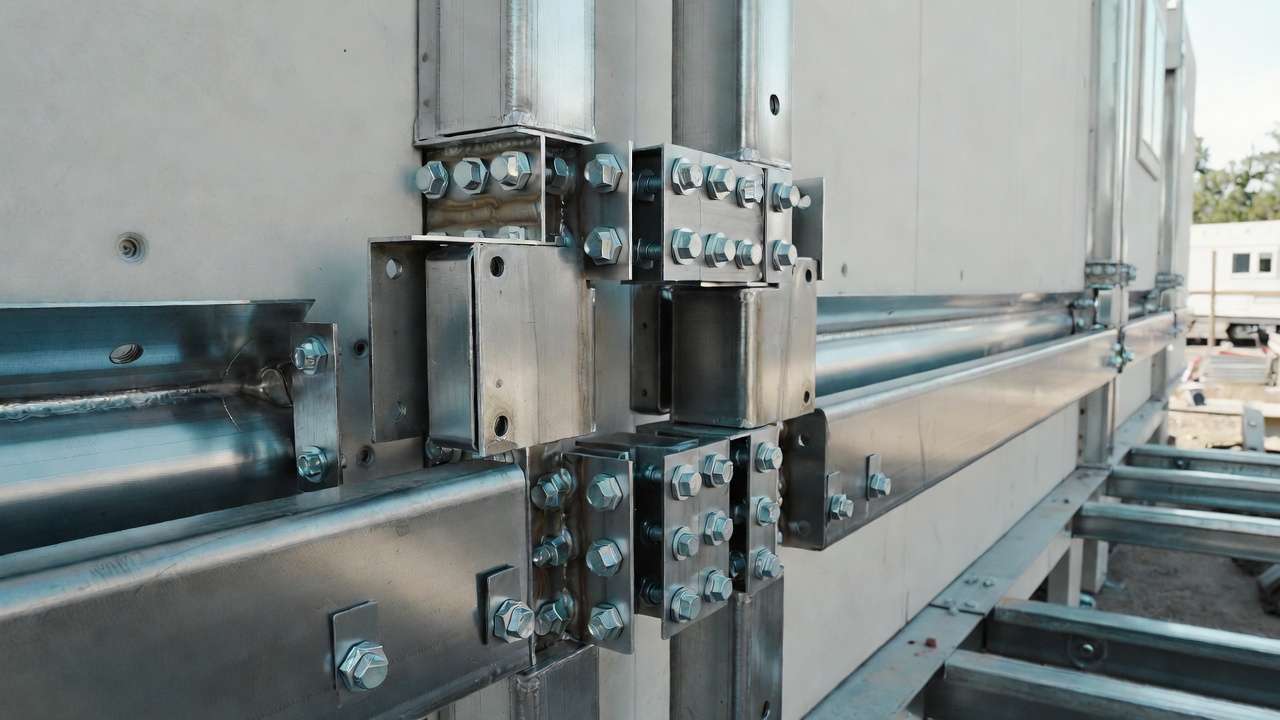
Red flags on shop drawings:
- Generic “typical connection” details without load calculations
- Missing shear transfer values or eccentricity checks
- Over-reliance on wood-to-wood lag screws (inadequate for two-story shear)
Transport & Lifting Engineering
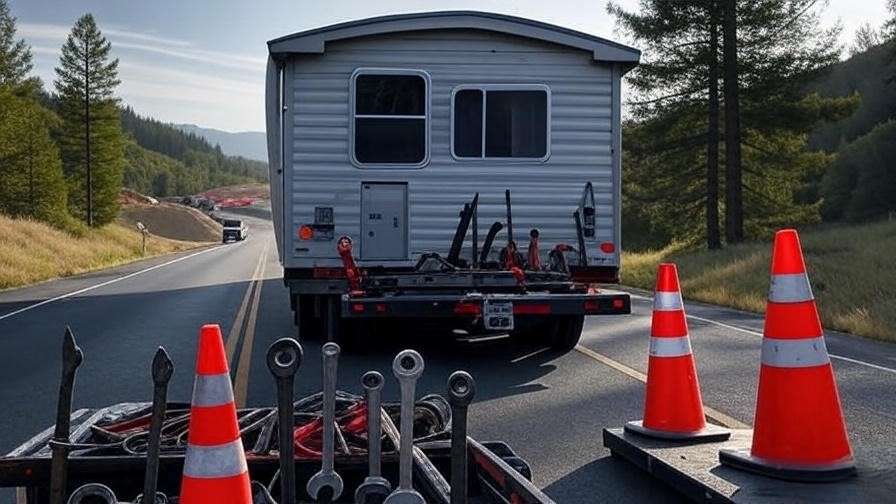
Every module travels by truck (often 2.4–3.0 m wide × 4.2–4.8 m high × 12–18 m long) and is crane-lifted at least twice. Engineering must include:
- Temporary strong-backs and cross-bracing to prevent racking
- Lifting lugs or spreader-bar points with 5:1 safety factor
- Finite-element analysis verifying no yielding under 2–3g dynamic loads
In Dhaka metro, where road clearances are tight and monsoon flooding can soften shoulders, transport engineering is especially critical. Ask for the transport route analysis and overweight/over-dimension permits early.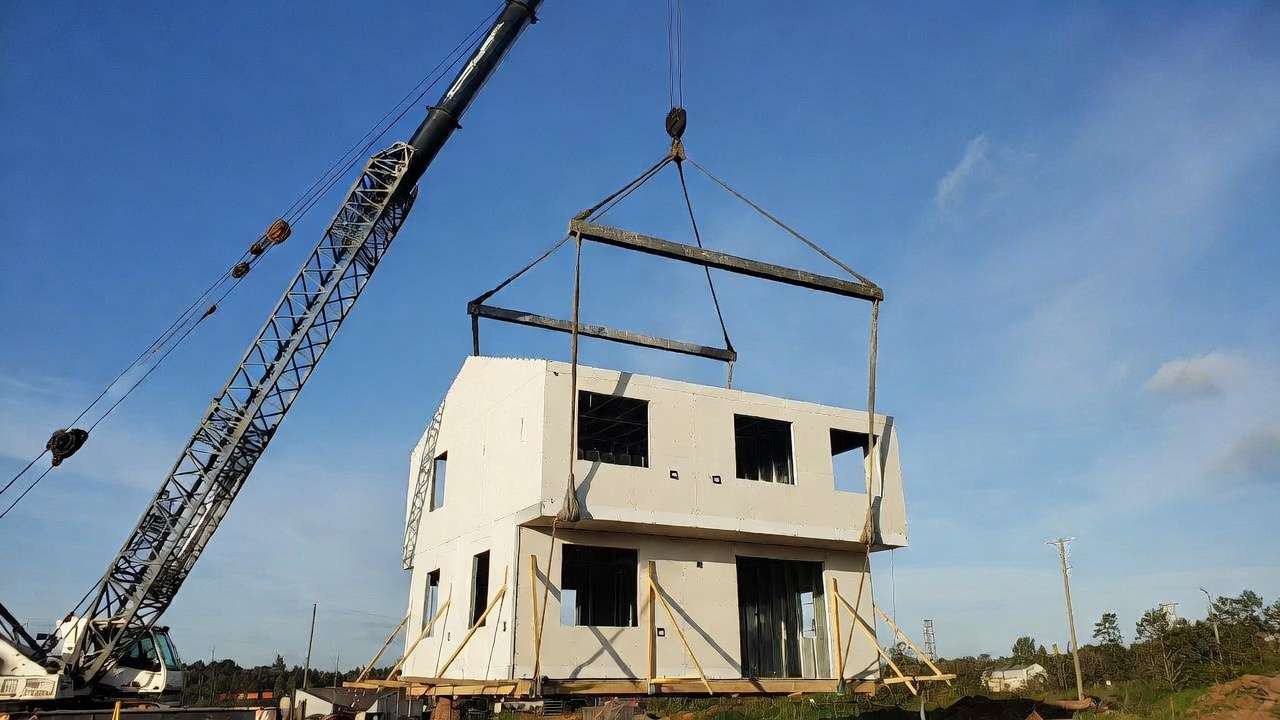
Foundation Interface & Leveling
Most 2-story modular homes sit on:
- Concrete piers with adjustable steel jacks (fast, economical in Bangladesh)
- Reinforced concrete slab with embedded anchor bolts
- Helical piles in poor soils
Leveling tolerance is typically ±6 mm across the module footprint. Differential settlement >10 mm between modules can crack finishes or bind doors/windows.
Seismic & High-Wind Design Considerations
Under BNBC 2020 (and equivalents like ASCE 7), two-story modular structures require:
- Continuous shear walls or braced frames across module joints
- Hold-down straps or rods at corners
- Diaphragm nailing schedules that account for plywood/OSB panel joints
Many manufacturers default to low-seismic/low-wind zones; request site-specific load calculations for Dhaka’s Zone 4 seismic category and 150–200 km/h wind speeds.
Mechanical, Electrical & Plumbing (MEP) Integration in Multi-Story Modular Design
The factory environment gives modular construction a huge advantage in MEP quality—controlled conditions mean cleaner welds, better insulation sealing, and pre-tested systems. However, when modules stack vertically, continuity across the horizontal joint becomes the critical path. Poor coordination here is one of the most frequent sources of post-occupancy complaints.
HVAC System Strategies
- Ductless multi-zone mini-splits remain the most popular choice for 2-story modular homes in humid climates like Bangladesh. Indoor heads can be wall- or ceiling-mounted in each major room; outdoor condensers sit on ground-level pads or roof brackets. Pros: no ductwork to align across modules, independent temperature control, high SEER ratings (18–30+). Cons: visible indoor units (mitigated with slim or concealed cassettes).
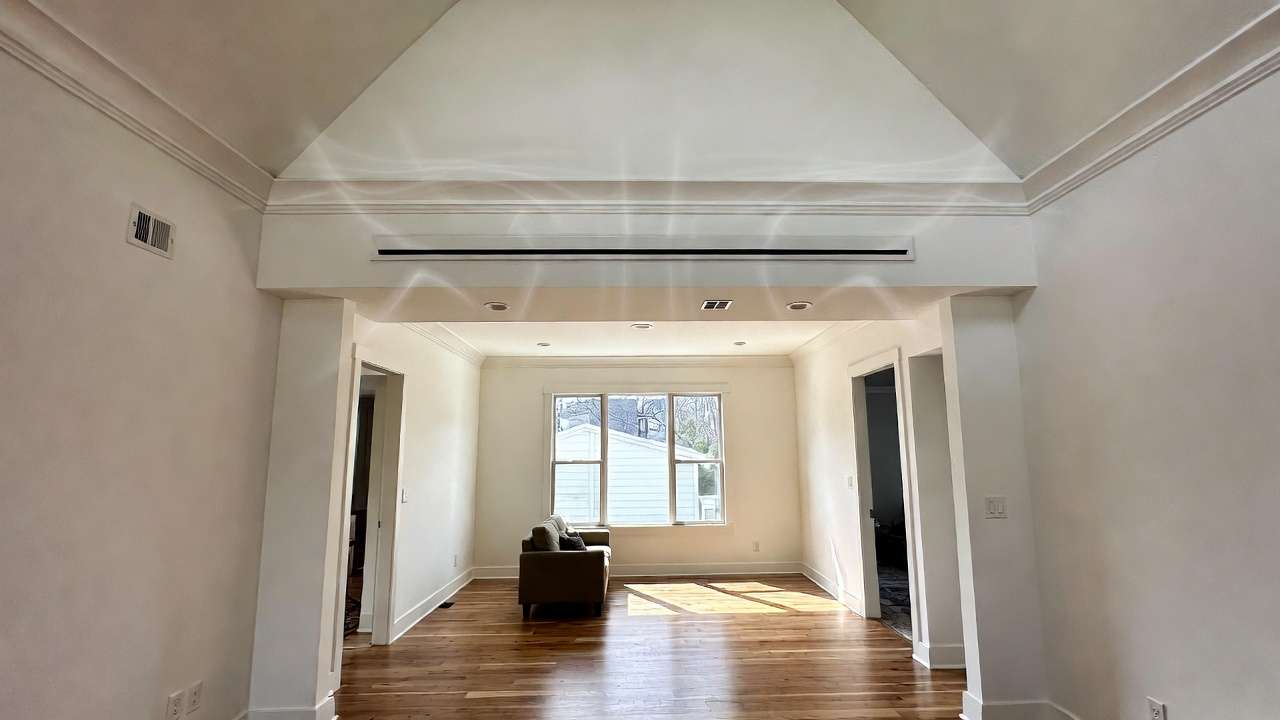
- High-velocity mini-duct systems (Unico, SpacePak equivalents) route 2–3 inch flexible ducts through factory chases in floor joists or ceiling cavities. Supply outlets can hide in crown molding or bulkheads. This approach allows true central air while keeping penetrations minimal at module joints.
- Energy recovery ventilators (ERV) should be considered standard in tight modular envelopes. A single ERV core can serve both levels via short vertical duct runs at the module interface. In Dhaka’s hot-humid climate, ERVs recover 60–80% of sensible and latent energy, reducing cooling load by 20–35%.
Plumbing Riser & Drainage Design
- Wet-module stacking — Align bathrooms and kitchens vertically so drain, vent, and supply lines can pass straight through pre-cut openings at module edges. Misalignment >25 mm forces expensive field modifications.
- Vertical vent stack continuity — Use flexible couplings or expansion joints at the module joint to accommodate minor differential movement without cracking pipes.
- Material choices — PEX or cross-linked polyethylene is factory-preferred for supply lines (corrosion-resistant, flexible). CPVC or PVC for drains; avoid rigid copper across joints due to expansion/contraction stress.
Electrical & Smart-Home Readiness
- Pre-wired junction boxes at module perimeters allow quick plug-and-play connections on-site (similar to modular data centers). Include spare conduits for future upgrades.
- Vertical riser coordination — Main feeders (usually 100–200 A per module stack) run in dedicated chases; sub-panels on upper modules fed from below. Plan for AFCI/GFCI protection at every outlet per BNBC requirements.
- Smart-home provisions — Factory-install Cat6/7 data cables, low-voltage wiring for thermostats/security, and conduit for future fiber. Solar-ready busbars and EV charger rough-ins add resale value.
Energy Efficiency & Envelope Performance
Factory-built modules typically achieve better airtightness (0.6–1.2 ACH50) than site-built homes. Key strategies:
- Structural insulated panels (SIPs) or spray-foam between studs for walls/floors/roofs (R-20 to R-40 possible).
- Thermal break detailing at module-to-module joints (foam gaskets, insulated headers).
- High-performance windows (low-E, argon-filled, U-factor ≤0.30) factory-installed to avoid site glazing errors.
Target whole-building HERS score of 50–70 for excellent performance in tropical climates.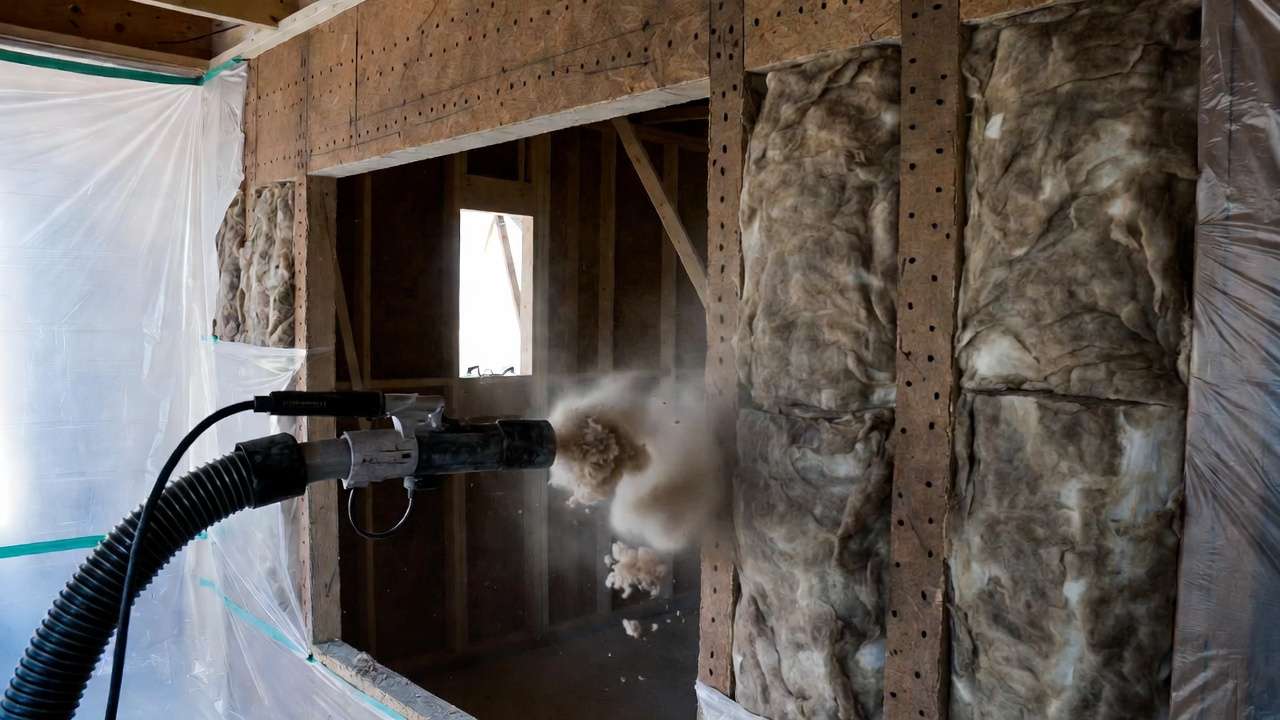
Red Flags & Due-Diligence Checklist When Evaluating 2-Story Modular Plans & Manufacturers
Use this checklist during initial consultations and before signing contracts:
- Structural drawings lack stamped calculations for transport loads, lifting, and service wind/seismic cases.
- Connection details show only generic “typical” sketches without shear/moment capacities or eccentricity checks.
- No transport route analysis or overweight/over-dimension permit strategy provided.
- MEP risers penetrate structural members without reinforcement or coordination drawings.
- Module alignment tolerance specified >±10 mm (risks finish cracking).
- No third-party peer review or independent engineering stamp on critical connections.
- Manufacturer cannot show completed 2-story projects in similar climate/soil conditions.
- Warranty excludes “differential settlement” or “transport-related” damage.
Ask directly: “Can you provide the finite-element analysis report for module stacking under BNBC 2020 Zone 4 seismic loads?” Legitimate suppliers will have this ready or obtain it quickly.
Realistic Cost Breakdown & Value Comparison (2026 Market Data)
2026 approximate ranges (South Asia / Bangladesh context, mid-range quality, excluding land):
- Factory modules (structure + basic finishes, per sq ft): BDT 4,500–7,000
- Transport + crane + assembly (2-story, 1,800–2,500 sq ft): BDT 8–15 lakh
- Site foundation (piers/slab): BDT 10–25 lakh
- MEP rough-in + finishing (HVAC, plumbing, electrical): BDT 12–22 lakh
- Exterior cladding, roofing, interior fit-out: BDT 15–30 lakh
- Total turn-key cost (excluding land): BDT 60–110 lakh (≈ BDT 3,300–5,000 per sq ft)
Compared to traditional RCC frame construction in Dhaka (currently BDT 5,500–8,000 per sq ft + longer timeline), modular can save 15–30% on total cost and 60–80% on schedule if engineering is done right. Long-term savings come from 20–40% lower energy bills and reduced maintenance.
Real-World Case Studies & Lessons Learned
Case 1: 2-Story Modular Duplex in Seismic Zone 4 (Dhaka Suburban Project, 2024–2025)
A developer built two identical 1,800 sq ft duplexes on soft alluvial soil near the Buriganga River. The manufacturer used proprietary post-tensioned corner rods and embedded steel ledger angles for module connections. Key engineering decisions:
- Helical piles (12–15 m deep) to reach competent strata instead of shallow piers.
- High-velocity mini-duct HVAC pre-routed through floor joists with flexible couplings at module joints.
- ERV core installed in the lower module with short vertical duct runs.
Outcome: Completed in 4.5 months from factory dispatch to occupancy. Post-occupancy monitoring showed <0.5 mm differential settlement after first monsoon season and HVAC energy use 32% below comparable RCC homes. Lesson: Investing in deep foundations and continuous MEP risers early prevents the most expensive callbacks.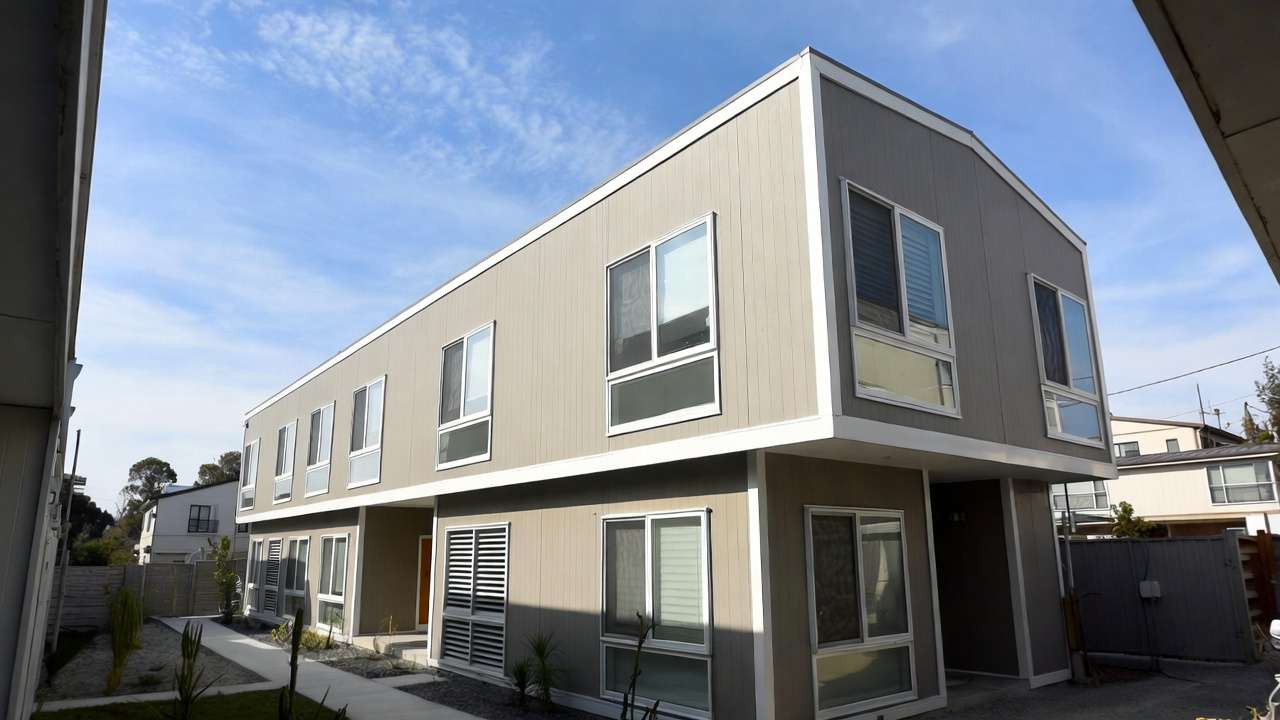
Case 2: Coastal High-Wind 2-Story Modular Home (Chattogram Hill Tracts, 2025)
A 2,200 sq ft family residence in a 180 km/h wind zone. The manufacturer provided full ASCE 7 wind tunnel-equivalent analysis for transport and in-service loads. Challenges:
- Crane access limited by narrow access road → required 50-ton mobile crane with outrigger pads.
- Upper module lifted in two sections to reduce wind sail area during assembly.
- Roof diaphragms reinforced with additional OSB nailing and metal straps.
Outcome: Home withstood 160 km/h gusts during Cyclone Remal aftermath with zero structural issues. Lesson: Transport and lifting engineering must be site-specific, not generic—always request wind-tunnel or CFD validation for coastal/high-wind sites.
Case 3: Urban Infill 2-Story Modular Townhouse (Gulshan, Dhaka, 2025)
Narrow 1,400 sq ft lot with zero side setbacks. Modules were trucked in at night to avoid traffic; assembled with a 35-ton city crane. Engineering highlights:
- Side-by-side module stacking with shared party-wall shear transfer.
- PEX plumbing risers pre-insulated and pressure-tested in factory.
- Ductless mini-splits + ceiling cassettes to avoid roof penetrations.
Outcome: Move-in 11 weeks after foundation pour; utility bills 40% lower than neighboring stick-built townhouses. Lesson: Urban sites demand early coordination of crane swing radius, road permits, and neighbor agreements—modular shines here when logistics are planned six months ahead.
Emerging Trends & Future-Proofing 2-Story Modular Homes
- Mass timber hybrid modular — Cross-laminated timber (CLT) or glulam modules paired with steel moment frames for better fire performance and carbon sequestration. Already appearing in European and Canadian projects; early pilots in Southeast Asia expected 2027–2028.
- Off-site MEP pre-assembly advances — Entire bathroom/kitchen “wet cores” built as volumetric pods with all plumbing, electrical, and ventilation pre-installed and tested. Reduces on-site labor by 60–70%.
- Net-zero modular standards — Triple-glazed windows, photovoltaic-ready roofs, battery storage integration, and heat-pump water heaters becoming baseline in premium manufacturers.
- 3D-printed module components — Early-stage use of large-format 3D printing for custom connection nodes and non-structural elements (e.g., decorative panels), improving precision and reducing waste.
To future-proof your project: specify solar conduit and busbar capacity, include spare vertical chases for future wiring/fiber, and choose manufacturers with CLT or hybrid experience on their roadmap.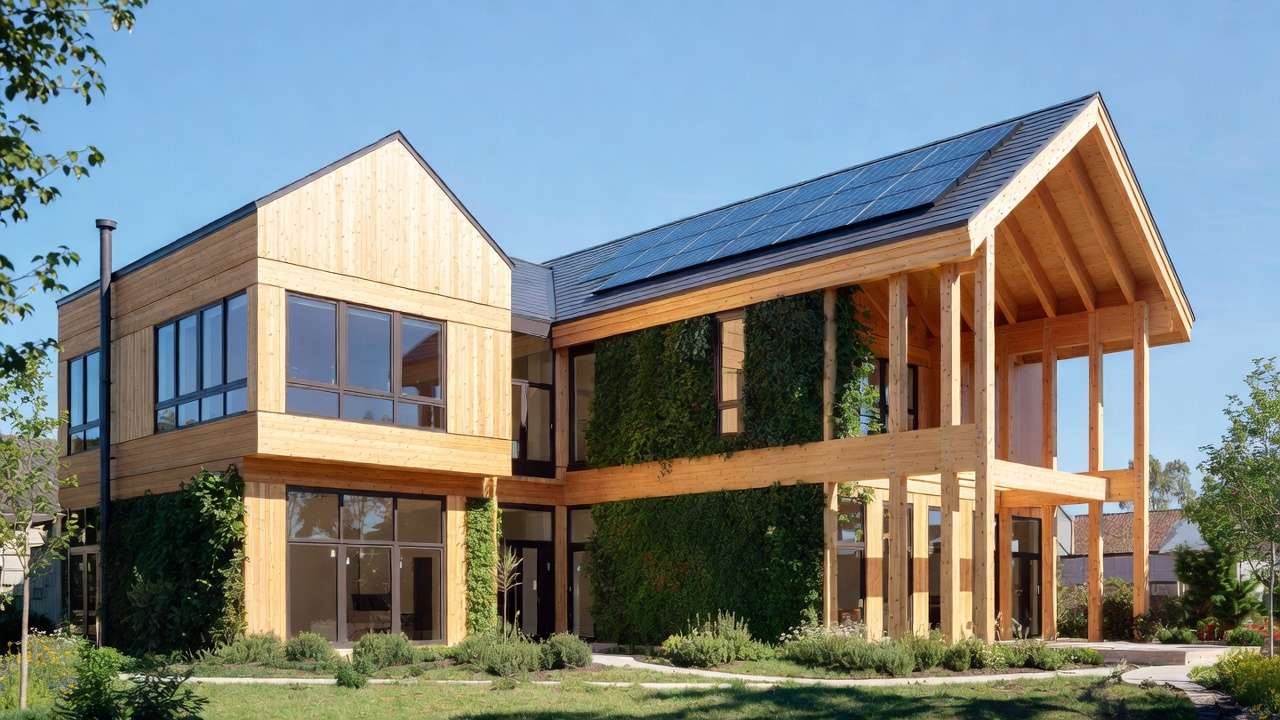
Frequently Asked Questions
Is a 2-story modular home as strong as a traditional stick-built or RCC house? Yes—when engineered correctly. Factory-controlled welding, third-party load testing, and continuous load paths often make modular connections stronger than site-poured joints. The key is demanding stamped calculations for transport, lifting, seismic, and wind—not relying on “meets code” statements.
How long does the full process take from order to move-in in Bangladesh? Typical timeline (2026): 8–12 weeks factory production + 2–4 weeks transport/customs + 4–8 weeks site work (foundation, crane assembly, finishing). Total: 3–6 months vs. 18–36 months for traditional construction.
Can 2-story modular homes be customized with open floor plans and large spans? Yes, but open plans require steel or glulam beams integrated into the module design. Maximum clear spans are usually 6–8 m without intermediate columns. Discuss beam sizing and deflection limits early with the structural engineer.
What are the biggest cost surprises buyers face with 2-story modular?
- Site access/crane fees in urban areas (can add BDT 5–15 lakh).
- Foundation upgrades on poor soil (helical piles or deep piers).
- MEP field modifications if module joints misalign.
- Customs/import duties on imported modules (if not locally fabricated).
Are 2-story modular homes a good long-term investment in high-density cities like Dhaka? Strongly yes—faster delivery, lower energy bills, and higher build quality translate to better resale value and rental yields. Resale data from early modular projects (2023–2025) shows 10–18% higher per-sq-ft value than comparable site-built homes after 2–3 years.
Conclusion & Actionable Next Steps
Two-story modular homes represent one of the most promising paths to deliver safe, affordable, high-quality housing in land-constrained, fast-growing cities like Dhaka. The speed of factory production, predictability of costs, and potential for superior energy performance are real—but only when the engineering foundation is solid. Cutting corners on structural connections, transport analysis, MEP coordination, or foundation design turns the promise into a liability.
Actionable next steps checklist:
- Shortlist 3–5 manufacturers with proven 2-story projects in similar seismic/wind zones.
- Request full structural shop drawings, transport/lifting analysis, and stamped MEP riser diagrams before paying any deposit.
- Hire an independent structural/mechanical engineer (BDT 80,000–2 lakh) to review drawings and visit the factory during module production.
- Verify foundation soil report and specify helical piles or deep piers if needed.
- Include clauses in the contract for alignment tolerances, third-party testing, and post-assembly inspection.
If you follow these steps, your 2-story modular home can be not just faster and cheaper to build, but genuinely better engineered for the long haul.
Have you already explored modular options or built one? What engineering or logistical challenge surprised you most? Share your experience in the comments—your insights could help the next family or developer avoid the same pitfalls.
Stay technical, stay informed, and happy building.