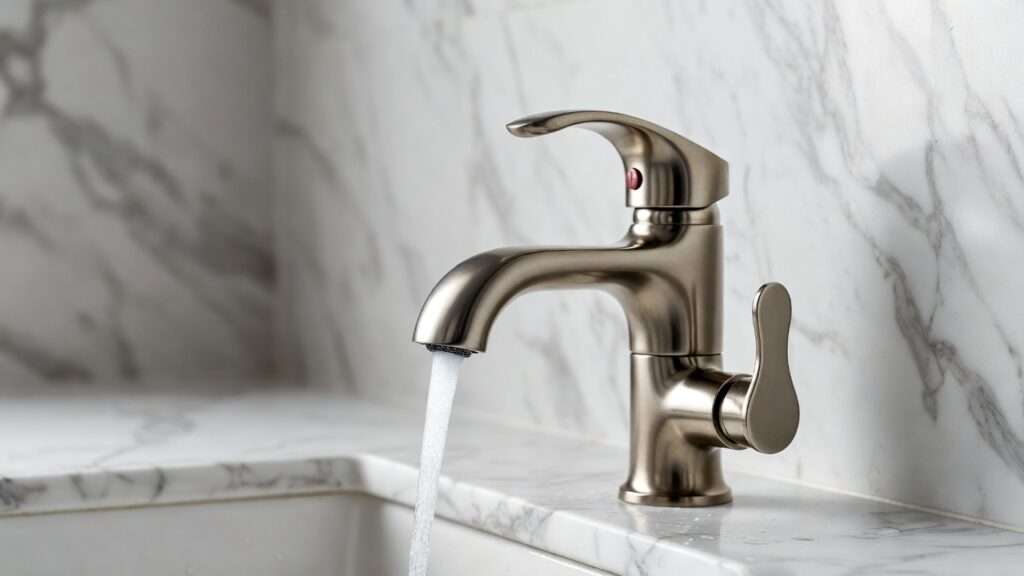
In mechanical engineering, few components face as relentless a combination of mechanical stress, chemical exposure, and aesthetic demands as residential and commercial faucets. Every day, these fixtures endure thousands of cycles of opening and closing, constant contact with water that may contain chlorides, minerals, or pH variations, and abrasive cleaning or accidental impacts. Premature failure—whether from pitting corrosion, visible scratching, or plating delamination—leads to leaks, reduced system efficiency, higher maintenance costs, and frequent replacements. A brushed nickel faucet addresses many of these challenges through intelligent materials selection and surface engineering.
Nickel, strategically applied and textured via brushing, offers a compelling balance of cathodic protection, reduced visible wear, and practical longevity in real-world environments. This finish has surged in popularity not just for its warm, matte aesthetic but because it solves tangible engineering problems: hiding fingerprints and water spots that plague polished surfaces, resisting corrosion in humid or hard-water conditions, and maintaining structural integrity under cyclic loading. In this comprehensive guide, we examine the materials science, manufacturing processes, performance metrics, and trade-offs of brushed nickel faucets from a mechanical engineering perspective. Whether you’re specifying fixtures for building systems, designing plumbing components, or evaluating upgrades for reliability, understanding these advantages helps optimize lifecycle performance and cost.
What Is a Brushed Nickel Faucet? Materials and Composition Basics
At its core, a brushed nickel faucet is a multi-layered engineered system. The visible finish is the outermost layer, but performance begins with the substrate and builds through protective coatings.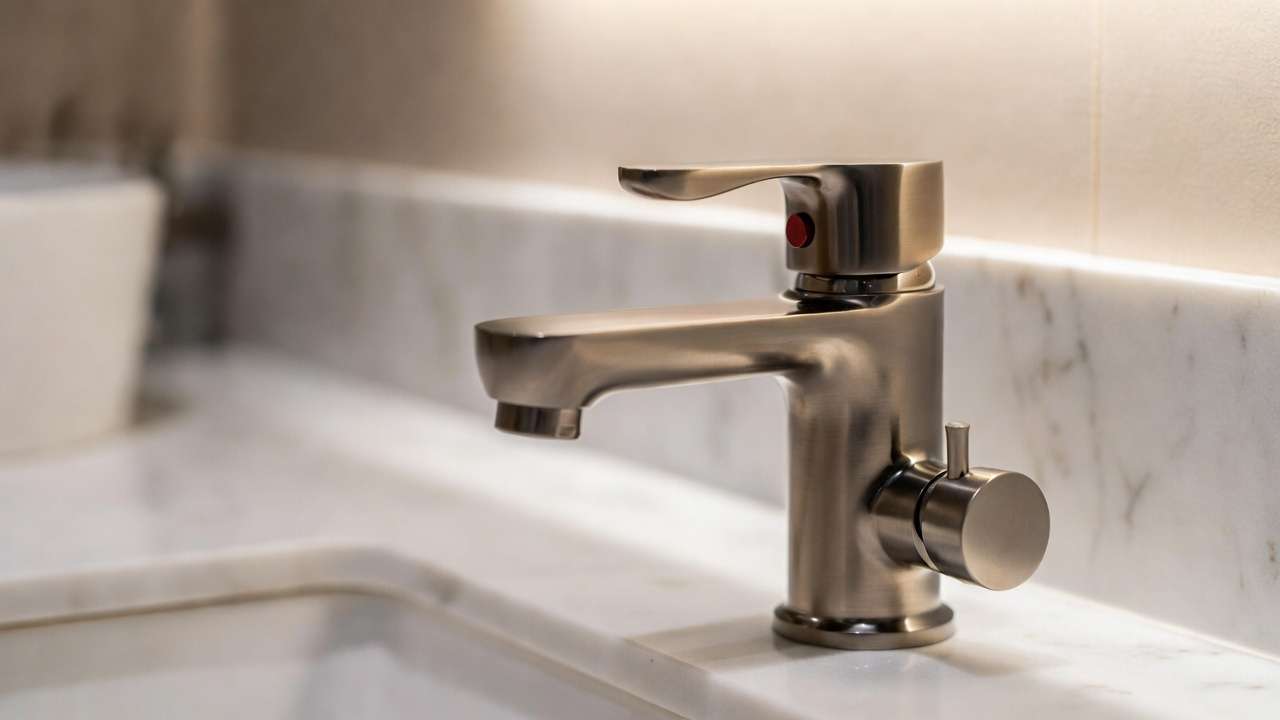
Base Materials in Modern Faucets (Brass, Zinc Alloy, Stainless Steel Substrates)
Most quality faucets use cast or forged lead-free brass as the primary body material. Brass (typically copper-zinc alloys with small additions like bismuth or silicon for machinability and dezincification resistance) provides excellent castability, pressure ratings up to 125–150 psi, and good thermal/electrical conductivity for reliable valve operation. Dezincification-resistant (DZR) brass prevents selective zinc leaching in aggressive water, a common failure mode in older alloys.
Lower-cost models may use zinc alloys (zamak), which offer good die-cast detail but lower tensile strength and greater susceptibility to creep or cracking under sustained load. Premium lines sometimes employ 304 or 316 stainless steel for the body, delivering inherent corrosion resistance without plating—but at higher cost and weight.
The substrate must withstand internal water pressure, mechanical torque on handles, and thermal cycling without deforming or cracking the overlying finish.
The Nickel Layer: Why Nickel Excels as a Protective Coating
Nickel sits nobly in the galvanic series (more positive than iron, zinc, or copper), acting as a sacrificial yet durable barrier. In neutral to mildly alkaline potable water (pH 7–9), nickel passivates naturally, forming a thin oxide layer that inhibits further oxidation. This electrochemical stability provides superior resistance to uniform corrosion compared to chrome in some conditions, though chrome excels in high-chloride environments.
Nickel plating thickness typically ranges from 5–15 microns in consumer faucets, with multi-layer builds (copper undercoat + nickel) enhancing adhesion and reducing porosity.
The Brushing Process: Creating the Signature Texture
After electroplating, the surface undergoes mechanical abrasion using wire brushes, abrasive belts, or tumbling media to produce linear, directional scratches. This creates a surface roughness (Ra often 0.4–1.2 μm) that scatters light diffusely, eliminating mirror-like reflections and minimizing the visibility of micro-scratches, fingerprints, and mineral deposits. The texture also lowers effective surface energy, reducing adhesion of water droplets and oils—key for low-maintenance performance.
The Manufacturing Process: How Brushed Nickel Finishes Are Engineered
Faucet production integrates casting, machining, and advanced surface finishing to achieve both functional and aesthetic goals.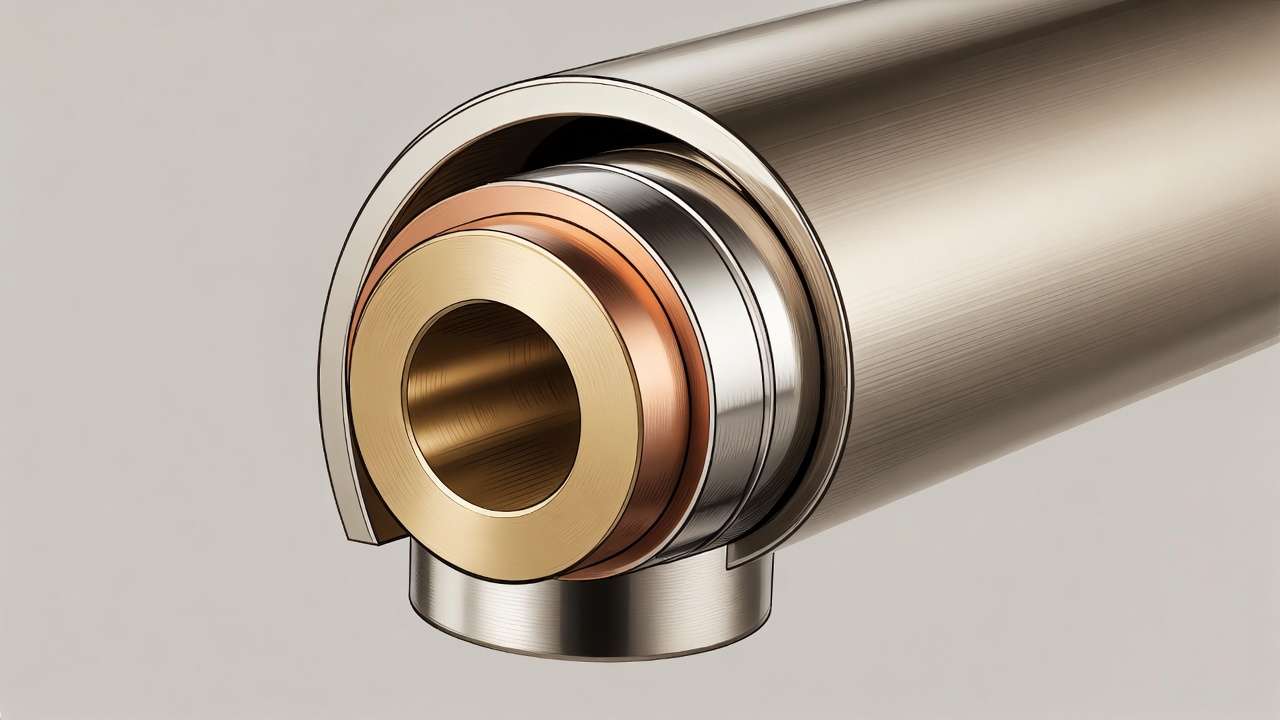
Step-by-Step Faucet Production Overview
- Casting or Forging — Molten brass is cast (gravity or low-pressure) or forged for denser grain structure.
- Machining — CNC turning/milling creates precise threads, valve seats, and waterways.
- Surface Preparation — Polishing to remove casting defects, followed by ultrasonic cleaning and acid activation.
- Multi-Layer Electroplating — Copper strike layer for adhesion, then thick nickel.
- Brushing — Post-plating texturing.
- Assembly — Ceramic cartridges, aerators, and testing.
Electroplating Mechanics for Nickel Deposition
Nickel is deposited from a Watts bath (nickel sulfate, nickel chloride, boric acid) using controlled current density (2–6 A/dm²). The process follows Faraday’s laws: thickness = (current × time × efficiency) / (density × area). Multi-layer plating reduces internal stress and porosity. A semi-bright or bright nickel base ensures leveling, filling microscopic defects.
Porosity must be minimized; pores expose the substrate to galvanic attack, accelerating base metal corrosion.
Post-Plating Brushing: Engineering the Surface Texture
Brushing uses controlled abrasion to produce uniform satin lines without removing excessive material. Directionality aligns with design flow (e.g., vertical on spouts), enhancing perceived quality. The process increases surface area slightly but distributes contact stresses, improving apparent wear resistance.
Advanced Variants: PVD-Brushed Nickel for Superior Performance
Physical Vapor Deposition (PVD) applies a thin (1–3 μm) titanium nitride or zirconium-based layer over nickel, achieving Vickers hardness >1000 HV vs. ~300–500 HV for electroplated nickel. PVD-brushed nickel offers exceptional scratch resistance and maintains appearance longer in high-traffic settings, though at premium cost.
Engineering Advantages: Durability and Wear Resistance
The brushed texture transforms nickel from a soft deposit into a practical, high-performance finish.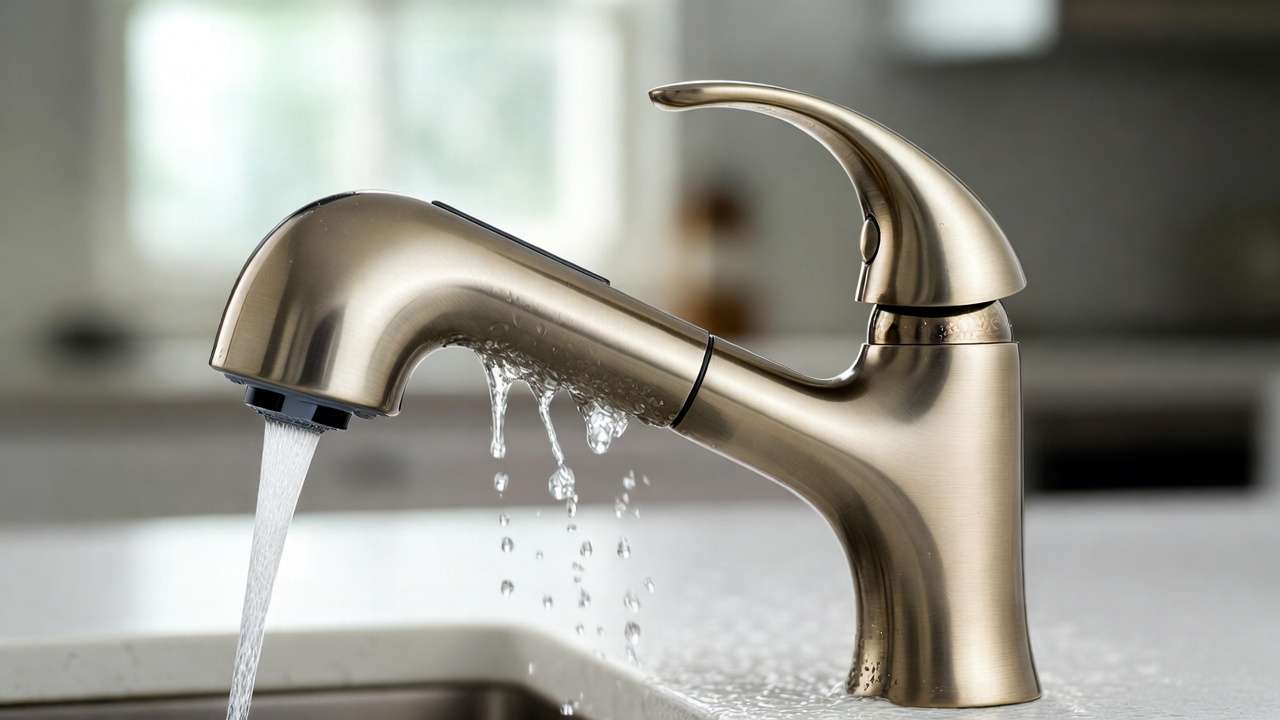
Scratch and Abrasion Resistance from Textured Surface
Tribology favors brushed surfaces: linear marks distribute shear forces, and existing texture masks new micro-abrasions better than polished chrome (which shows every mark prominently). Real-world equivalents to Taber abrasion tests show brushed nickel outperforming polished finishes in visibility of wear after equivalent cycles.
Fingerprint and Water Spot Resistance: A Surface Engineering Win
Lower gloss reduces specular reflection of oils and minerals. In kitchens or bathrooms with frequent use, this cuts cleaning frequency dramatically—addressing a primary user complaint.
Long-Term Mechanical Performance Under Cyclic Use
Paired with ceramic disc cartridges (500,000+ cycles), the finish withstands torque without cracking. Impact resistance benefits from nickel’s ductility.
Corrosion Resistance: A Materials Science Perspective
Corrosion remains one of the leading causes of faucet failure in residential and light commercial settings. Water chemistry varies widely—hard water with high calcium/magnesium content, chlorinated municipal supplies, low-pH well water, or coastal environments with salt aerosols—all accelerate degradation of less noble finishes.
How Nickel Protects Against Common Failure Modes
Nickel’s nobility (standard electrode potential ≈ –0.25 V vs. SHE) places it well above copper (≈ +0.34 V) and far above zinc or iron. In practice, this means nickel acts as a barrier rather than a sacrificial anode. Once the thin passive oxide film forms, further corrosion slows dramatically in neutral to mildly alkaline conditions typical of potable water.
The multi-layer plating system (copper strike → semi-bright nickel → bright nickel) further reduces through-porosity. Any microscopic pore is less likely to reach the brass substrate, preventing localized galvanic cells that cause pitting or dezincification beneath the finish.
Performance in Harsh Environments (Hard Water, Humidity, Chemicals)
In accelerated corrosion testing (e.g., ASTM B117 neutral salt spray or CASS – copper-accelerated acetic acid salt spray), quality brushed nickel faucets routinely achieve 200–500+ hours without red rust or base-metal pitting, outperforming thin chrome platings in many residential water chemistries. Hard water deposits (calcium carbonate) adhere less visibly to the matte, textured surface compared to high-gloss chrome or polished nickel, where mineral rings stand out sharply.
High-humidity bathrooms or coastal installations benefit from nickel’s resistance to stress-corrosion cracking and tarnish. However, in extremely aggressive conditions (e.g., swimming pool backwash areas with high free chlorine), stainless steel bodies with PVD finishes may still be preferable.
Limitations: When Plating Can Wear Through
No finish is immortal. Mechanical wear at high-contact points (lever handles, spout tips) can eventually thin the nickel layer. Once the underlying copper or brass is exposed, corrosion accelerates due to the large cathode-to-anode area ratio. Quality manufacturers mitigate this with thicker nickel deposits (10–15 μm) and robust under-layers. In high-use commercial settings, brushed nickel may show dulling or discoloration after 8–12 years of heavy use, whereas solid stainless steel can last decades.
Brushed Nickel vs. Other Popular Finishes: Head-to-Head Engineering Comparison
Selecting the right finish involves trade-offs among appearance, durability, maintenance, and cost. Below is a side-by-side comparison based on mechanical and materials performance in typical residential use.
| Finish | Appearance | Corrosion Resistance | Scratch Visibility | Maintenance Effort | Relative Cost | Best Applications |
|---|---|---|---|---|---|---|
| Brushed Nickel | Warm, matte, contemporary | Excellent | Low | Low | Medium | Kitchens, bathrooms, high-touch areas |
| Polished Chrome | Bright, mirror-like | Very good | High | Medium-High | Low-Medium | Traditional & commercial settings |
| Brushed Stainless Steel | Industrial, cool gray | Outstanding | Very low | Low | High | Commercial, coastal, heavy-use |
| Matte Black (powder/PVD) | Modern, dramatic | Good–Very good | Medium | Medium | Medium-High | Designer interiors, low-traffic |
| Oil-Rubbed Bronze | Antique, dark | Fair–Good | Low | High | Medium | Traditional, rustic |
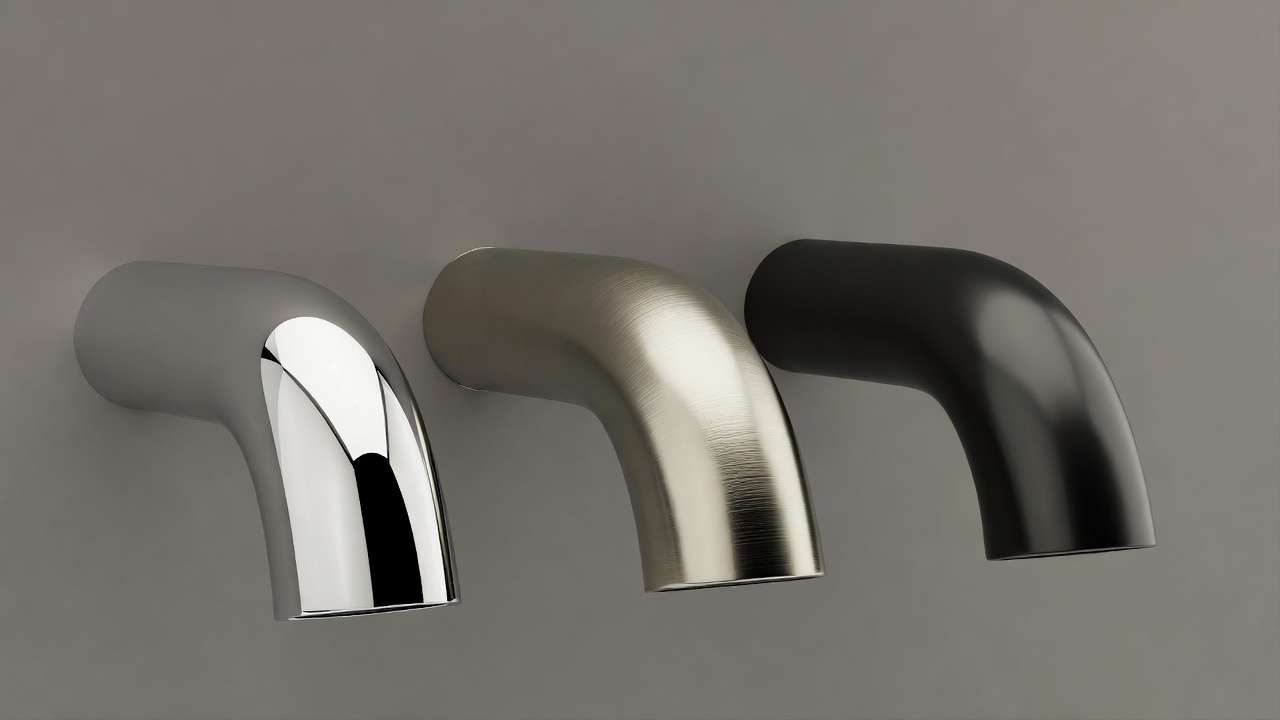
Key Engineering Takeaway: Brushed nickel frequently delivers the best overall balance for modern residential plumbing. It hides wear better than chrome, resists corrosion comparably or better in typical potable water, and requires far less cleaning than glossy or dark finishes that show every fingerprint and water mark.
Fluid Dynamics and Functional Engineering in Brushed Nickel Faucets
While the finish is external, faucet performance depends on internal fluid mechanics and component integration.
Internal Components: Cartridge and Aerator Compatibility
Most quality brushed nickel faucets use ceramic disc cartridges rated for 500,000–1,000,000 cycles. The finish has no direct impact on flow dynamics, pressure drop, or valve sealing. However, the warm metallic tone of nickel complements stainless steel or chrome-plated internal aerators without galvanic concerns in mixed-metal assemblies.
Modern designs incorporate laminar-flow or spray aerators that reduce splash and improve perceived water quality—features independent of the exterior finish.
Water Efficiency and Lead-Free Compliance
All reputable manufacturers now produce faucets compliant with NSF/ANSI/CAN 61 and 372 (lead-free). Brushed nickel finishes are fully compatible with these standards, as the nickel barrier prevents any leaching of substrate metals into drinking water.
Maintenance and Longevity Tips from an Engineering Viewpoint
Proper care extends service life significantly.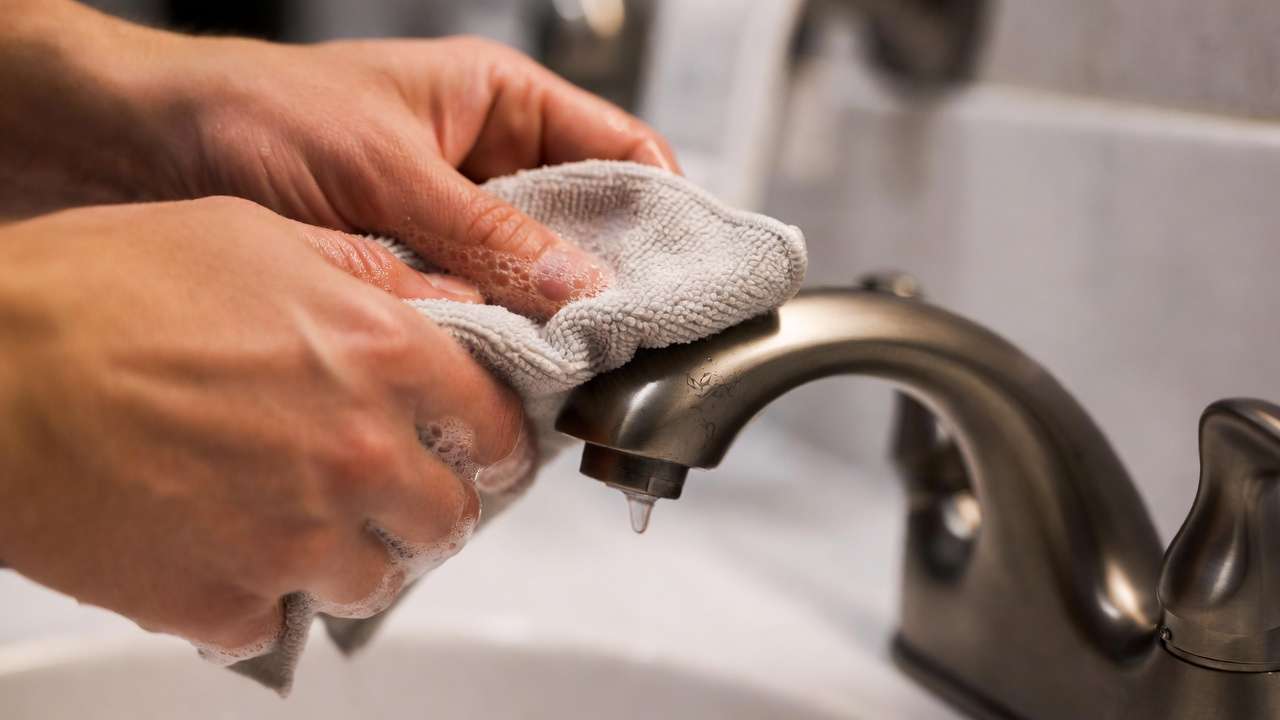
Cleaning Methods That Preserve the Finish
- Use mild dish soap + warm water with a soft microfiber cloth.
- For mineral deposits, dilute white vinegar (1:1 with water) applied briefly, then rinse thoroughly.
- Avoid: abrasive cleaners, bleach, ammonia-based products, or scouring pads—these can cut through the nickel layer or embed particles that accelerate future wear.
Troubleshooting Common Issues (Dulling, Spots)
- Light dulling: Often mineral buildup; gentle polishing compound (non-abrasive) can restore luster without removing material.
- Persistent spotting: Indicates hard water; consider whole-house water softener or point-of-use filter to reduce calcium/magnesium load.
- If plating begins flaking (rare with quality products), the root cause is usually poor initial adhesion or excessive porosity—warranty replacement is warranted.
Expert Insights: When to Specify Brushed Nickel in Mechanical Design
From a systems engineering standpoint, brushed nickel shines in:
- Residential kitchens and bathrooms where aesthetics matter but maintenance must remain minimal.
- Mid-to-high-end hospitality and multi-family housing projects seeking durability without the industrial look of stainless.
- Environments with moderate-to-hard water where chrome shows mineral rings quickly.
Future trends include hybrid PVD + brushed nickel finishes (combining hardness and texture) and nano-coatings that further repel water and oils. As sustainability pressures increase, expect more emphasis on recyclable brass bodies with thinner, high-performance nickel layers.
Frequently Asked Questions (FAQs)
Is brushed nickel more durable than chrome? In most residential settings, yes—primarily because scratches and water spots are far less visible. Chrome may edge out in extreme chemical exposure, but brushed nickel wins for everyday longevity and low maintenance.
Does brushed nickel rust? No, quality brushed nickel does not rust under normal conditions. Rust would indicate base-metal exposure due to very heavy wear or manufacturing defect.
How long does a brushed nickel faucet last? With normal residential use and proper care, 10–20+ years is realistic. Commercial high-traffic use may reduce this to 8–15 years before cosmetic dulling appears.
Can brushed nickel be used in hard water areas? Yes, and it often performs better than glossy finishes because mineral deposits are less noticeable.
Is brushed nickel safe for drinking water? Yes—modern faucets meet strict lead-free and drinking-water safety standards (NSF/ANSI 61 & 372).
Does brushed nickel tarnish over time? Minimal tarnish occurs compared to uncoated metals. Any light dulling is usually mineral scale, not true tarnish.
Can I restore a worn brushed nickel faucet? Minor restoration is possible with gentle polishing compounds, but severe wear-through requires replacement.
Is PVD brushed nickel worth the extra cost? For high-traffic or luxury applications, yes—it offers noticeably better scratch resistance and longer cosmetic life.
Conclusion
The brushed nickel faucet represents a mature triumph of materials and surface engineering: nickel’s electrochemical nobility combined with intelligent texturing delivers a finish that resists corrosion, conceals wear, reduces maintenance, and maintains an elegant appearance for years. For mechanical engineers, designers, and informed homeowners, it offers one of the strongest overall value propositions among popular faucet finishes.
By understanding the plating thickness, substrate compatibility, brushing mechanics, and real-world performance limits outlined here, you can specify or select brushed nickel faucets with confidence—reducing lifecycle costs, minimizing service calls, and ensuring reliable fluid control in demanding environments.
Whether upgrading a residential kitchen, designing a commercial restroom suite, or evaluating long-term building system performance, brushed nickel remains a smart, technically sound choice.