Why Auxiliary Heat Matters for Your Home Comfort and Energy Bills
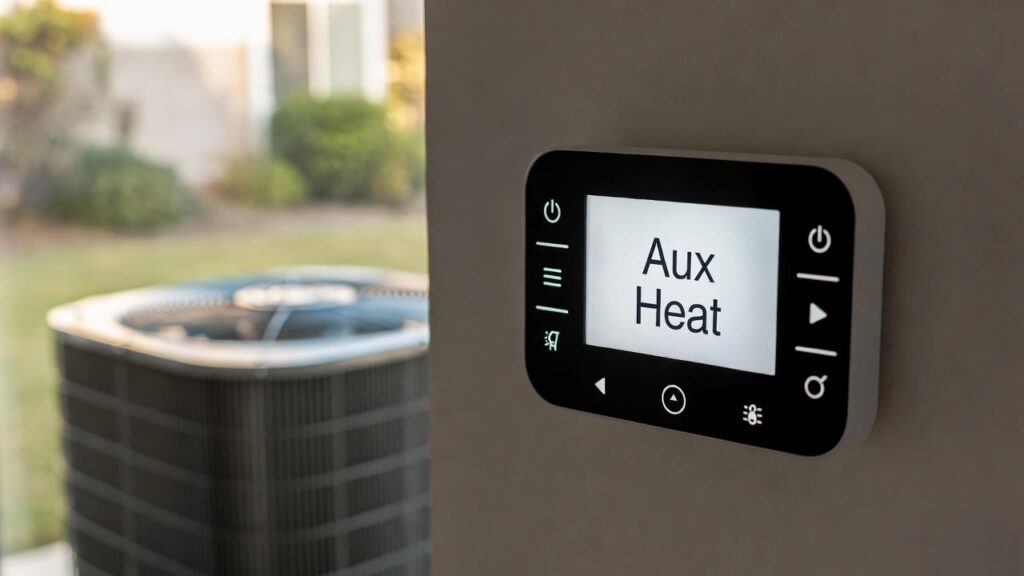
Imagine stepping into your home on a frigid December morning only to find the thermostat displaying “Aux Heat” and your energy bill creeping higher than expected. This familiar scenario plays out in millions of homes with heat pump systems every winter. If you’ve ever wondered why your heat pump suddenly feels less efficient or why that little “Aux” indicator lights up so often, you’re not alone.
Auxiliary heat—often shortened to “aux heat”—is the backup heating element in most heat pump systems. It’s designed to provide extra warmth when outdoor temperatures drop too low for the heat pump to handle alone. While it’s a valuable feature, improper use or misunderstanding can lead to skyrocketing utility costs and reduced system lifespan.
In this in-depth guide, we’ll break down exactly what auxiliary heat is, when and why it activates, how it differs from emergency heat, common signs of overuse, and proven strategies to optimize its performance. Whether you’re a homeowner troubleshooting rising bills or an HVAC professional seeking deeper insights, this article will equip you with the knowledge to make your heat pump system more efficient, cost-effective, and reliable.
What Is Auxiliary Heat?
Auxiliary heat, sometimes called supplemental heat or second-stage heat, is a secondary heating source that activates to supplement the primary heat pump when it can’t meet the home’s heating demand. In most residential all-electric heat pump systems, this backup consists of electric resistance heating strips installed in the air handler (indoor unit). These strips work like oversized electric space heaters, converting electricity directly into heat.
In dual-fuel systems (common in colder climates), auxiliary heat may come from a gas or oil furnace. Regardless of the type, the purpose remains the same: to ensure consistent indoor comfort when the heat pump’s efficiency declines in very cold weather.
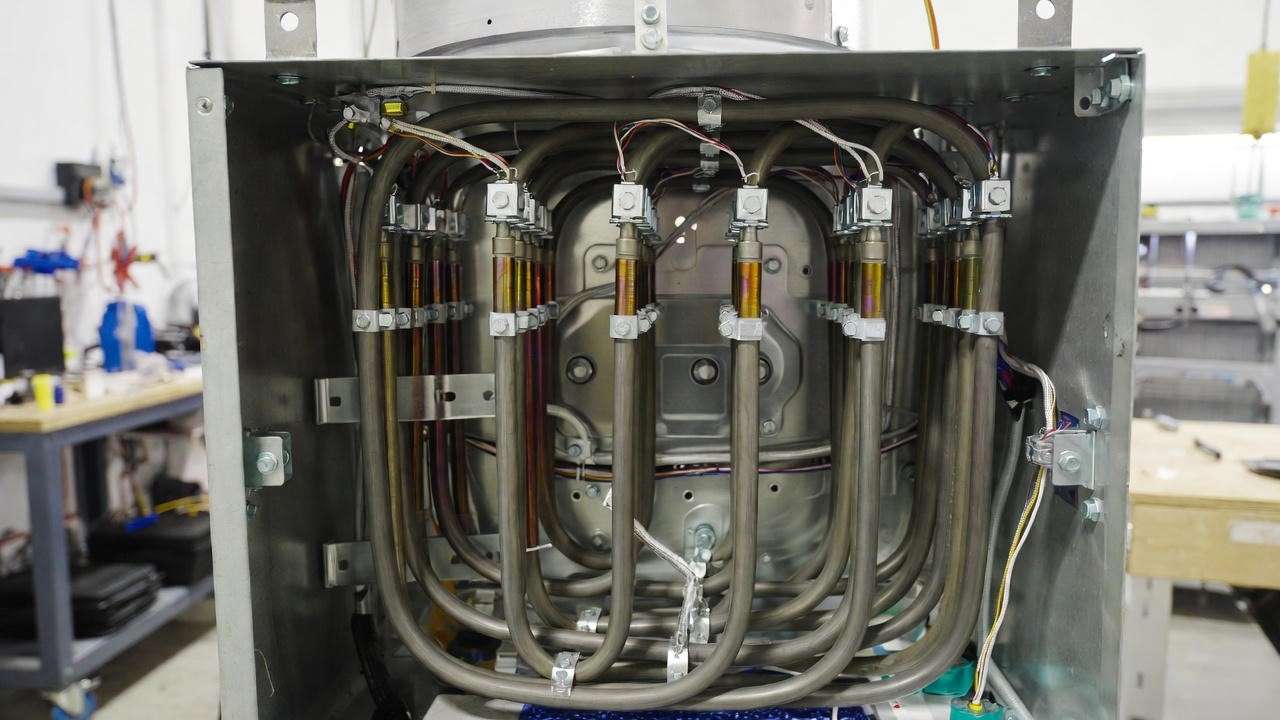
Key characteristics of auxiliary heat:
- It activates automatically based on temperature thresholds or demand.
- It provides rapid heat output, unlike the slower heat transfer of a heat pump.
- It is less energy-efficient than the heat pump alone (COP of ~1.0 for electric resistance vs. 2.0–4.0 for heat pumps).
How Heat Pumps Work and Why They Need Auxiliary Heat
Heat pumps operate on the reverse refrigeration cycle, extracting heat from outdoor air (even when it’s cold) and transferring it indoors. They use a compressor, refrigerant, and coils to move heat rather than generate it, which is why they can achieve efficiencies of 200–400% under ideal conditions.
However, heat pump capacity and efficiency decrease as outdoor temperatures fall. The coefficient of performance (COP)—a measure of heat output per unit of electricity input—drops significantly below 35–40°F (2–4°C). At very low temperatures, the heat pump may struggle to keep up with heat loss through walls, windows, and roofs.
This is where the balance point comes into play. The balance point is the outdoor temperature at which the heat pump’s heating capacity exactly matches the home’s heat loss. Below this point, auxiliary heat must activate to make up the difference.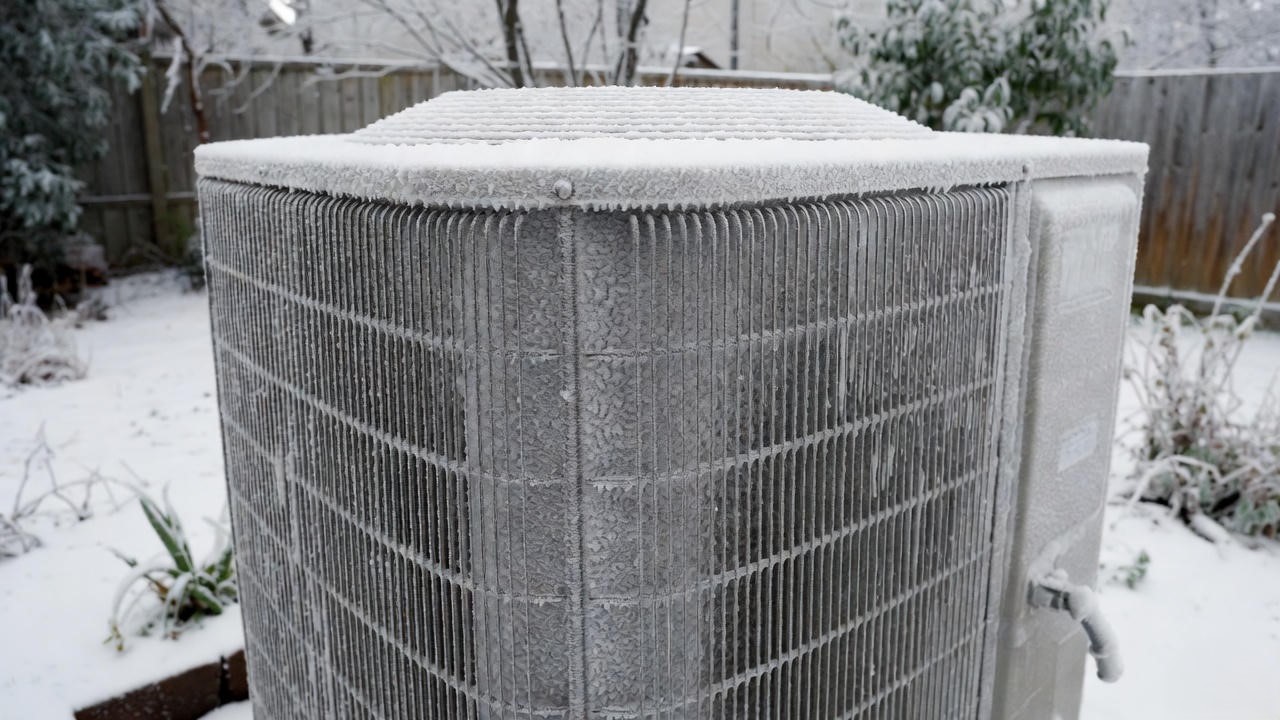
Additionally, during the defrost cycle (when the outdoor coil freezes and the heat pump reverses to melt ice), auxiliary heat prevents cold air from blowing indoors. Without it, you’d feel a blast of chilly air during defrost—uncomfortable and inefficient.
When Does Auxiliary Heat Turn On? Common Triggers
Modern heat pump systems use sophisticated controls to activate auxiliary heat only when necessary. Typical triggers include:
- Outdoor temperature drops below the balance point — Usually 35–40°F, though some systems are set lower (e.g., 25°F for cold-climate heat pumps).
- Indoor temperature falls 2–3°F below setpoint — Indicates the heat pump alone can’t keep up.
- Rapid thermostat changes — Raising the setpoint by more than 2°F at once often triggers auxiliary heat to reach the new temperature quickly.
- Defrost mode — Auxiliary heat runs briefly to maintain comfort during the defrost cycle.
You’ll typically see “Aux Heat” or “Aux” on your thermostat display when it’s active. Brief activation during defrost or mild cold snaps is normal. Prolonged or constant use, however, often signals a problem.
Auxiliary Heat vs. Emergency Heat: Key Differences
Many homeowners confuse auxiliary heat with emergency heat (often labeled “Em Heat” or “Emergency”). Here’s a clear comparison:
| Feature | Auxiliary Heat | Emergency Heat |
|---|---|---|
| Activation | Automatic | Manual (user-selected) |
| Heat Source | Works alongside the heat pump | Bypasses heat pump entirely |
| Efficiency | Higher (combined with heat pump) | Lower (resistance heat only) |
| Cost | Moderate | High |
| When to Use | Cold weather, defrost cycles | Heat pump failure or extreme conditions |
| System Impact | Minimal wear | High wear on resistance elements |
Rule of thumb: Use emergency heat only when the heat pump is broken or during extreme cold snaps when the system is locked out. Leaving it on unnecessarily can dramatically increase your electric bill.
Signs Your Auxiliary Heat Is Overworking
Frequent or constant auxiliary heat activation is a red flag. Common symptoms include:
- “Aux Heat” display on thermostat for hours at a time
- Higher-than-expected winter energy bills
- Uneven heating (some rooms stay colder)
- Frequent cycling of the system
- Unusual noise from the air handler (electric strips can hum or click)
Common causes of overuse:
- Low refrigerant charge
- Dirty air filters or coils
- Faulty outdoor temperature sensor
- Poor home insulation or air leaks
- Incorrect thermostat settings
- Defrost control board malfunction
How to Optimize Auxiliary Heat Usage for Maximum Efficiency
Optimizing auxiliary heat requires a combination of proper equipment settings, home improvements, and regular maintenance. Here are proven strategies:
1. Smart Thermostat Settings
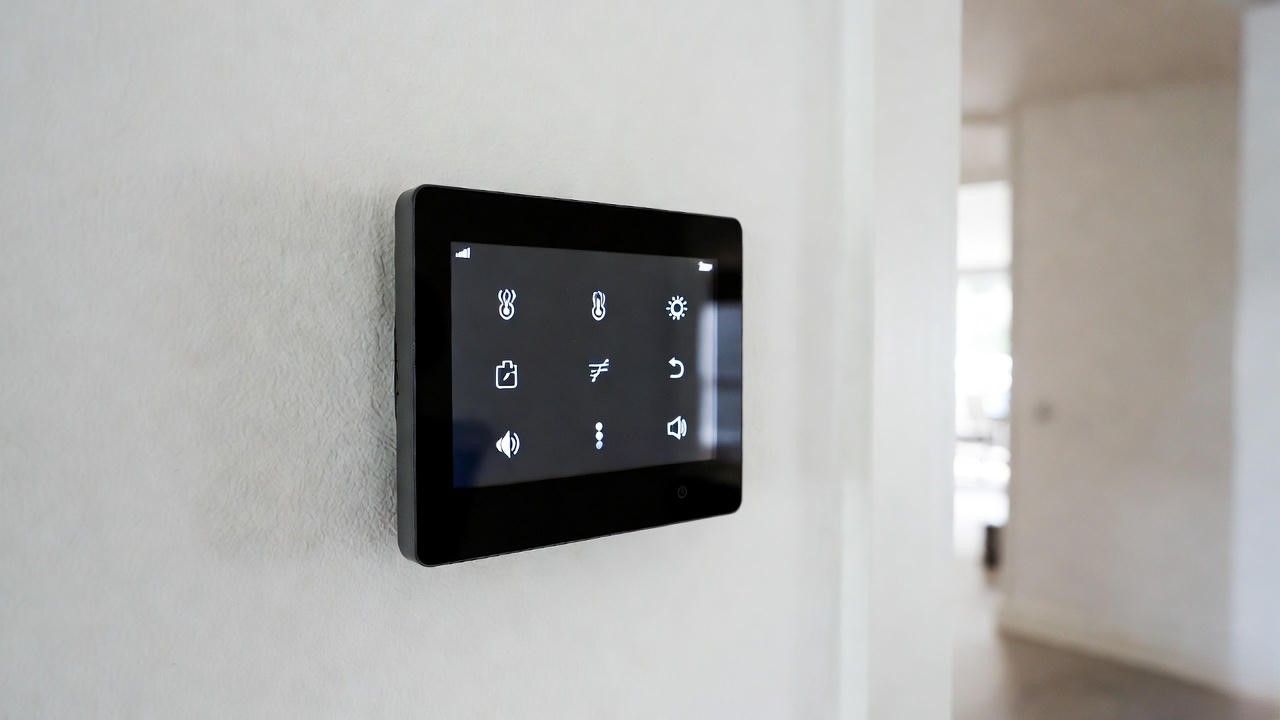
- Install a heat pump-compatible smart thermostat (Ecobee, Nest, Honeywell T10, etc.) with aux heat lockout or balance point control.
- Set the auxiliary heat lockout temperature around 30–35°F (adjust based on your climate and system).
- Use gradual setbacks (1–2°F) instead of drastic changes.
- Enable adaptive recovery features to preheat gradually without triggering aux heat.
2. Home Envelope Improvements
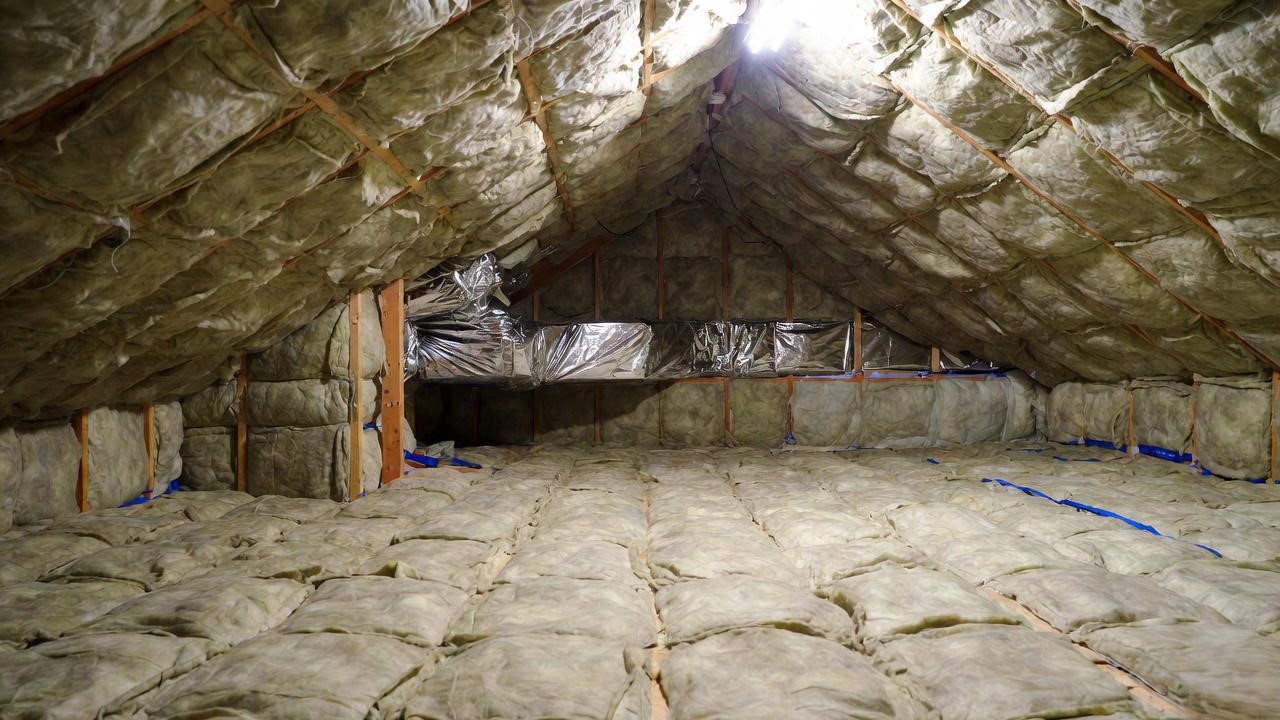
- Add insulation to attics, walls, and floors.
- Seal air leaks around windows, doors, and ductwork.
- Use weatherstripping and caulk.
- Install double-pane or low-E windows in cold climates.
3. Regular Maintenance
- Replace air filters every 1–3 months.
- Clean outdoor coils annually.
- Schedule professional HVAC tune-ups every fall.
- Keep the outdoor unit clear of snow, leaves, and debris.
4. Advanced System Options
- Consider upgrading to a cold-climate heat pump with variable-speed compressor and enhanced defrost controls.
- Install a dual-fuel system if you live in a region with prolonged sub-zero temperatures.
Expert Insights: Real-World Data and Efficiency Calculations
Electric resistance heat produces 1 kW of heat per 1 kW of electricity (COP = 1.0). A well-maintained heat pump at 35°F typically achieves a COP of 2.5–3.5. That means for every dollar spent on electricity, you get 2.5–3.5 dollars’ worth of heat from the heat pump vs. just 1 dollar from auxiliary heat.
Example: If your home needs 10,000 BTU/hour of heat and the heat pump provides 7,000 BTU/hour at 30°F, auxiliary heat must supply the remaining 3,000 BTU/hour. Running auxiliary heat for 4 hours a day at $0.15/kWh adds roughly $40–50 per month—significant over a heating season.
Modern cold-climate heat pumps (e.g., Mitsubishi Hyper-Heating, Daikin Aurora) can maintain COP > 2.0 down to -5°F, drastically reducing auxiliary heat reliance.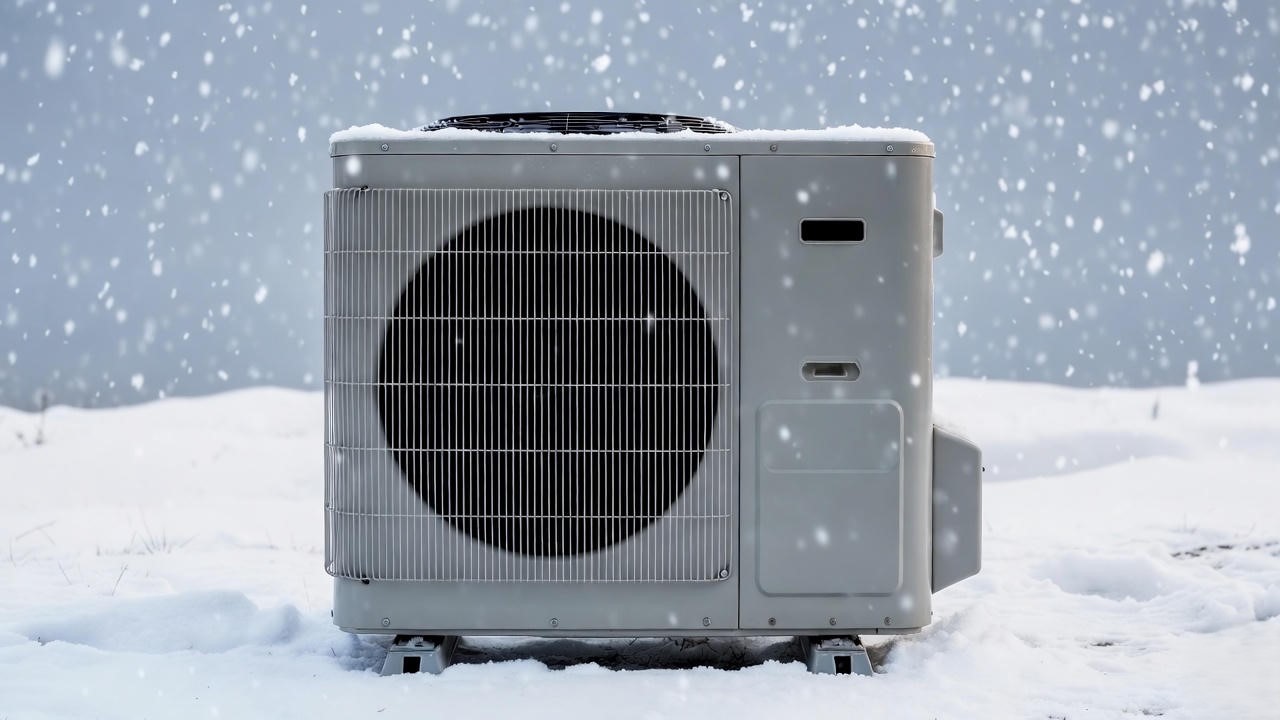
FAQs About Auxiliary Heat
Is auxiliary heat bad for my heat pump? No—when used correctly, it protects the compressor and ensures comfort. Overuse, however, increases wear on electric strips and raises costs.
How much does auxiliary heat increase my energy bill? It depends on runtime and electricity rates. Frequent use can add $50–200+ per month in cold climates.
Can I disable auxiliary heat? Yes, but only if your system is properly sized and you have a cold-climate heat pump. Disabling it in standard systems can lead to discomfort or frozen pipes.
What’s the best thermostat for heat pumps with auxiliary heat? Ecobee Premium, Nest Learning Thermostat (2020+ models), or Honeywell T10 Pro with aux lockout features.
When should I call a professional? If auxiliary heat runs constantly, your bills spike unexpectedly, or you notice uneven heating.
Conclusion: Take Control of Your Heat Pump System
Auxiliary heat is a valuable safety net, not a flaw. With the right settings, maintenance, and home improvements, you can minimize its use while keeping your home comfortable and your energy bills in check.
Start by reviewing your thermostat settings and scheduling a professional inspection this season. Small changes can yield significant savings and extend the life of your heat pump system—one of the most efficient heating technologies available today.
Stay warm and efficient this winter. Your heat pump—and your wallet—will thank you.