Imagine you’re deep into the design phase of a cutting-edge automated assembly line, where precision robotics and seamless power integration are critical to success. A single unreliable circuit breaker or mismatched cable could lead to catastrophic downtime, escalating costs, and missed deadlines. In the fast-evolving world of mechanical engineering, where mechatronics and electromechanical systems dominate, sourcing dependable electrical components isn’t just a task—it’s a necessity for innovation and efficiency. This is where Cooper Electric Supply steps in as a trusted partner, offering a vast array of high-quality electrical products tailored to the unique demands of mechanical engineers.
Founded in 1961 as a family-owned business, Cooper Electric Supply has grown into a powerhouse distributor, now part of the global Sonepar network, with over 70 locations across New Jersey, Pennsylvania, New York, and Delaware. With more than 1,200 employees and a commitment to excellence, they provide not only essential components like power distribution systems, automation controls, and wiring solutions but also expert technical support to ensure your projects run smoothly. In this comprehensive guide, we’ll dive into how Cooper Electric Supply addresses the pain points of integrating electrical elements into mechanical designs, from prototyping robotic arms to optimizing industrial machinery. Whether you’re tackling HVAC systems, renewable energy setups, or advanced manufacturing, discover why this distributor is indispensable for achieving reliable, code-compliant results.
Why Mechanical Engineers Need Reliable Electrical Suppliers Like Cooper Electric Supply
In today’s interdisciplinary engineering landscape, mechanical engineers are increasingly tasked with incorporating electrical systems into their designs. The rise of mechatronics—combining mechanical, electrical, and computer engineering—has transformed traditional projects. Think about developing a high-speed conveyor system for a manufacturing plant: the mechanical framework must harmonize with electrical controls for sensors, motors, and power management. Without a reliable supplier, engineers face challenges like incompatible components, supply chain disruptions, and non-compliance with standards such as the National Electrical Code (NEC) or Underwriters Laboratories (UL) certifications.
Cooper Electric Supply stands out by offering a one-stop solution that mitigates these issues. As a leading electrical distributor, they specialize in industrial-grade products that withstand the rigors of mechanical applications, such as vibration, extreme temperatures, and heavy-duty cycles. Their extensive inventory ensures quick access to items like circuit protection devices, conduit fittings, and automation relays, reducing lead times that could otherwise delay prototypes or installations. Moreover, their technical experts—many with decades of industry experience—provide guidance on selecting components that integrate seamlessly with mechanical structures, helping avoid costly rework.
What sets Cooper Electric apart is their focus on value-added services. For instance, their material staging allows engineers to receive pre-kitted assemblies, streamlining on-site integration. In regions like the Northeast U.S., where projects often involve tight urban spaces or harsh weather, local branches offer same-day pickup or delivery, enhancing project agility. By partnering with a supplier like Cooper Electric, mechanical engineers can prioritize innovation over logistics, ensuring projects meet safety, efficiency, and sustainability goals. This approach not only solves immediate sourcing needs but also builds long-term reliability in electromechanical systems.
Who is Cooper Electric Supply? Company Overview and Expertise
To truly appreciate the value Cooper Electric Supply brings to mechanical engineering, it’s essential to understand their foundation and capabilities. Established in 1961 in New Jersey as a family-owned enterprise, Cooper Electric began by serving local contractors and quickly expanded to meet the growing demands of industrial and commercial sectors. Over the decades, they’ve serviced markets in New Jersey, New York, Pennsylvania, and Delaware, evolving into a regional leader with a reputation for quality and customer service.
In 2003, Cooper Electric was acquired by Sonepar USA, integrating it into the world’s largest B2B electrical distributor network. Sonepar, a family-owned company operating in 40 countries, empowers Cooper with global resources while maintaining local expertise. Today, Cooper Electric boasts over 73 locations across four states, supported by more than 1,200 dedicated employees. Their state-of-the-art 650,000 square foot automated distribution center in Cranbury, New Jersey, exemplifies their commitment to efficiency, handling vast inventories with cutting-edge technology for rapid fulfillment.
Cooper Electric’s expertise shines in specialized areas relevant to mechanical engineers. They offer dedicated teams for automation, lighting, and sustainable energy solutions, including electric vehicle (EV) charging and solar integrations—perfect for modern mechanical projects like renewable energy prototypes or smart factory setups. Their partnerships with top-tier manufacturers ensure access to premium brands such as Eaton for power management, B-Line for strut systems, and Crouse-Hinds for hazardous location products. These collaborations guarantee components that meet stringent standards for durability and performance in mechanical environments.
What demonstrates their authoritativeness? Decades of serving diverse industries, from manufacturing to education, have honed their ability to provide tailored solutions. For example, their in-house specialists assist with project quotes, custom configurations, and compliance advice, drawing from real-world applications. This E-E-A-T (Experience, Expertise, Authoritativeness, Trustworthiness) is further evidenced by their involvement in high-profile acquisitions, like the 2023 purchase of Billows Electric Supply, which expanded their footprint and capabilities. Engineers trust Cooper because they deliver not just products, but proven solutions that enhance project outcomes.
Essential Electrical Components from Cooper Electric Supply for Mechanical Engineering Projects
When it comes to mechanical engineering projects, the right electrical components can make or break functionality. Cooper Electric Supply’s inventory is curated to support a wide range of applications, from basic prototyping to complex industrial integrations. Below, we break down key categories, highlighting their relevance, applications, and specific recommendations to help you select the best options.
Power Distribution & Enclosures
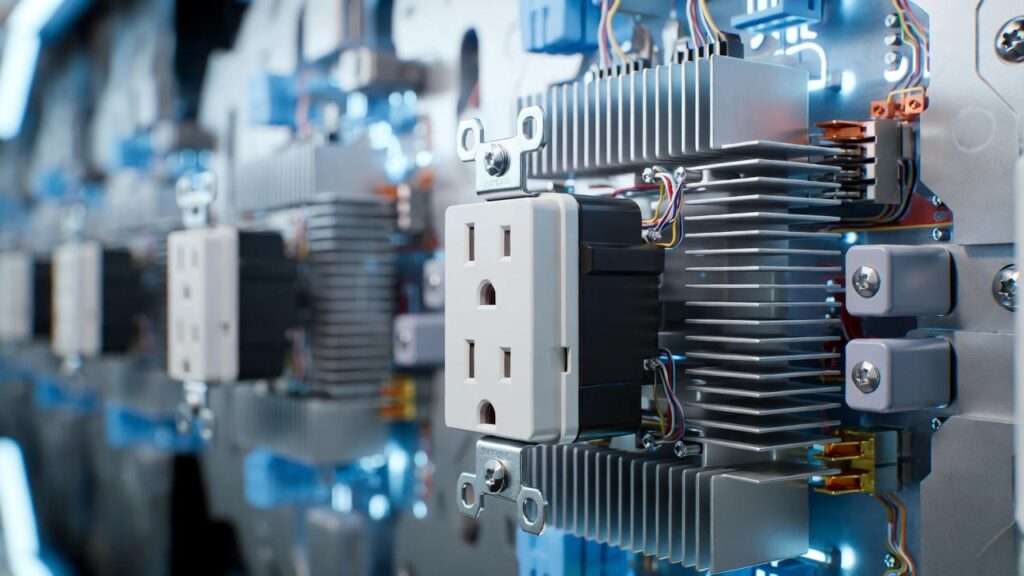
Power distribution forms the backbone of any electromechanical system, ensuring stable energy delivery to motors, actuators, and controls. In mechanical projects like robotic arms or CNC machines, unreliable power can lead to failures or safety hazards. Cooper Electric offers robust solutions such as Eaton’s panelboards and circuit breakers, designed for high-amperage loads and quick fault isolation.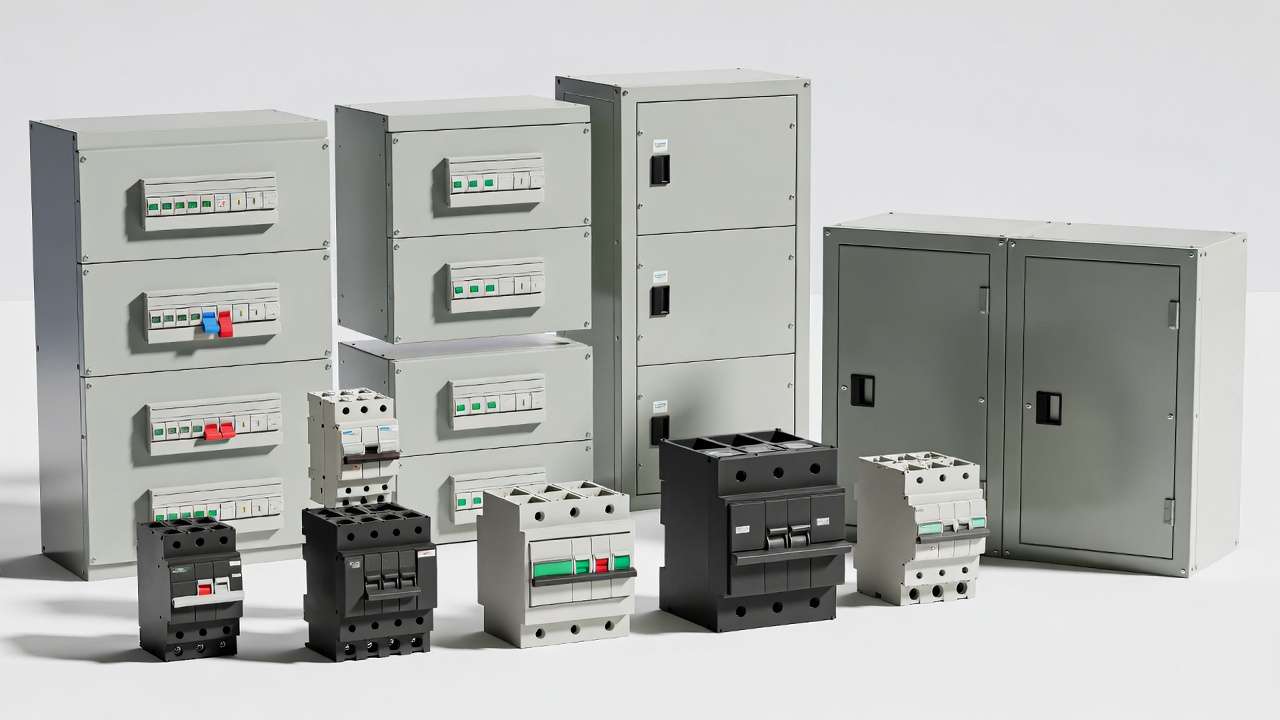
For enclosures, their selection includes NEMA-rated boxes from brands like Hoffman, ideal for protecting sensitive electronics in harsh mechanical environments—think dust, moisture, or vibrations in manufacturing settings. Applications range from housing control panels in automated HVAC systems to safeguarding distribution gear in renewable energy test rigs. Pro tip: Opt for modular enclosures to allow easy expansion as your mechanical design evolves, ensuring scalability without major overhauls.
Wire, Cords, Cables & Connectors
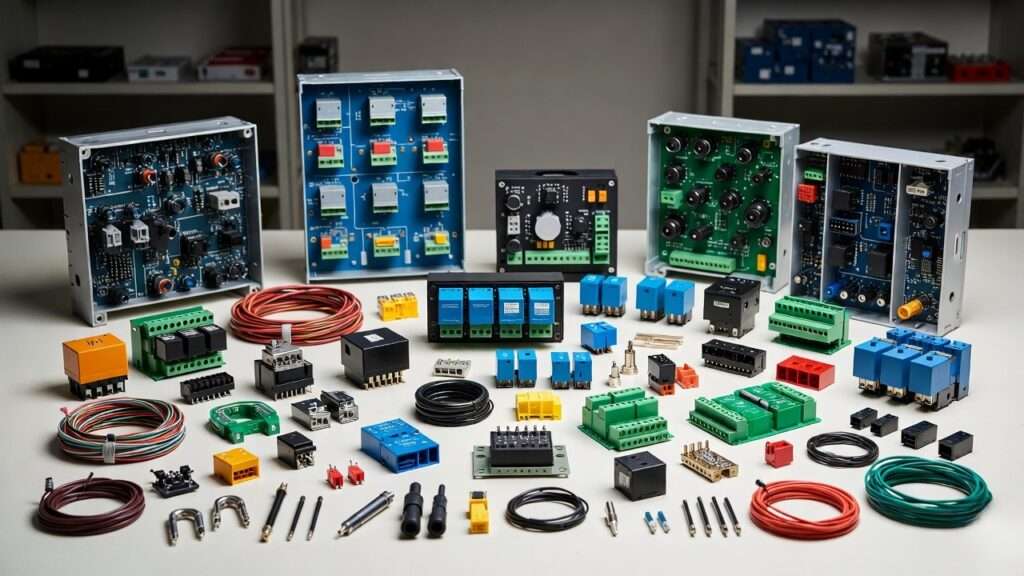
Reliable connectivity is crucial in mechanical designs involving moving parts, where flexibility and durability prevent signal loss or breaks. Cooper Electric stocks a variety of wires and cables, including flexible cords from Southwire and high-amperage options for industrial use. Connectors from Eaton or AMP ensure secure, vibration-resistant links, essential for robotics or conveyor systems.
In practice, these components address needs like powering linear actuators in prototypes or routing signals in mechatronic assemblies. For high-vibration applications, choose armored cables with IP67 ratings to maintain integrity. Cooper’s experts can recommend gauge sizes based on load calculations, helping avoid overheating or voltage drops that could compromise mechanical performance.
Control & Automation Components
Automation is where mechanical and electrical engineering converge most dynamically. Cooper Electric’s control lineup includes relays, contactors, and PLCs from Schneider Electric and Allen-Bradley, enabling precise control of mechanical elements like solenoids or stepper motors.
These are pivotal in projects such as automated material handling or precision machining, where sensors detect positions and actuators respond instantly. For instance, integrate occupancy sensors with mechanical ventilation systems for energy-efficient HVAC. Their automation specialists provide insights on programming and integration, reducing setup time and enhancing system reliability.
Cooper Electric Supply: Essential Electrical Components for Mechanical Engineering Projects
Control & Automation Components (continued)
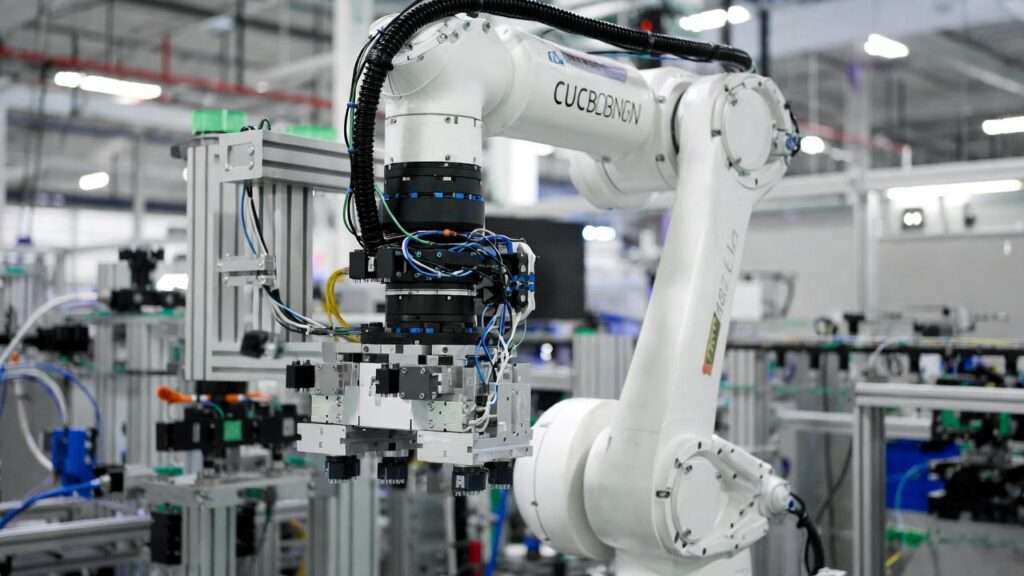
These components enable precise synchronization between mechanical motion and electrical signals. For example, in a custom robotic prototype, Schneider Electric contactors and relays from Cooper Electric manage high-current loads to actuators, while push buttons and limit switches provide safe, reliable operator interfaces. Their Industrial Solutions & Automation division offers specialized support for machine builders and integrators, including machine safety products to protect personnel from moving parts and electrical hazards—directly addressing common concerns in mechanical system design.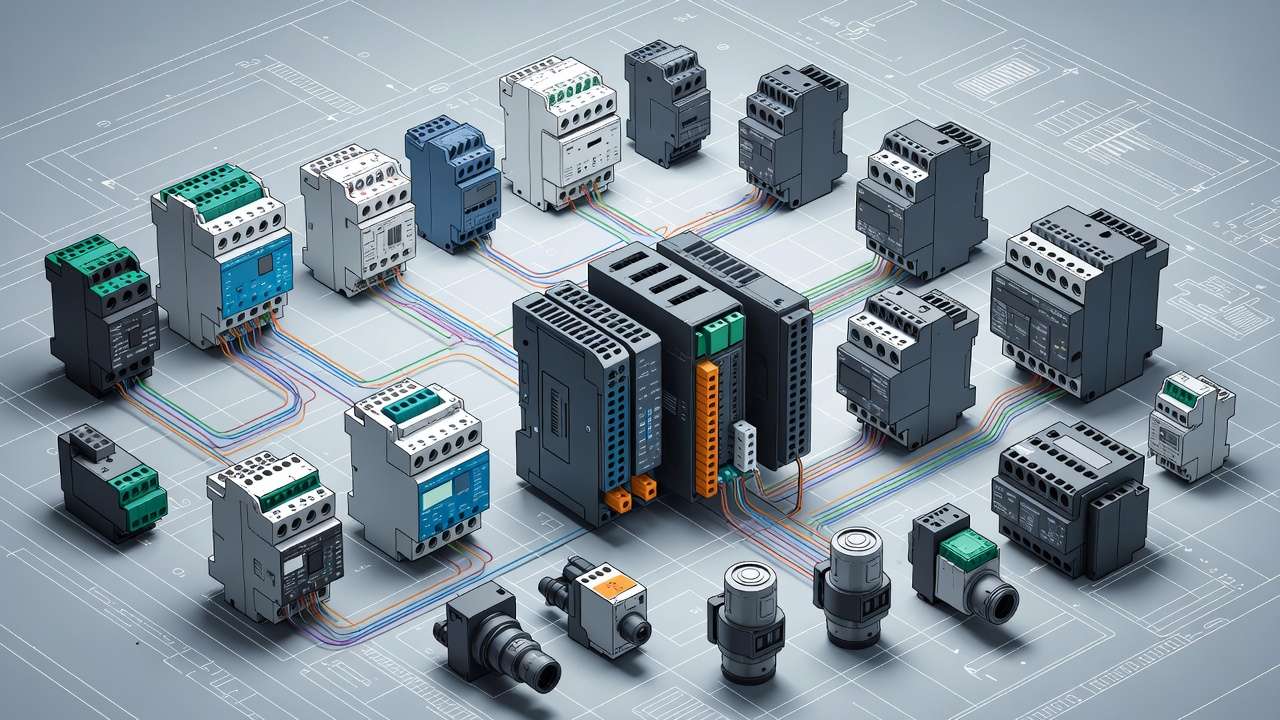
Conduit, Raceway, Cable Support & Fittings
Securing and routing electrical wiring within mechanical assemblies is vital to prevent chafing, interference, or failures due to movement. Cooper Electric’s extensive selection includes B-Line strut systems, conduit clamps, hangers, and supports from top manufacturers. These are indispensable for clean, organized installations in industrial machinery or test benches.
Best practices include using flexible conduit for dynamic applications (e.g., robotic joints) and rigid PVC or metal conduit for fixed structures in HVAC prototypes. Their electrical fittings category covers everything from beam clamps to conduit unions, ensuring code-compliant (NEC) and vibration-resistant routing that complements mechanical integrity.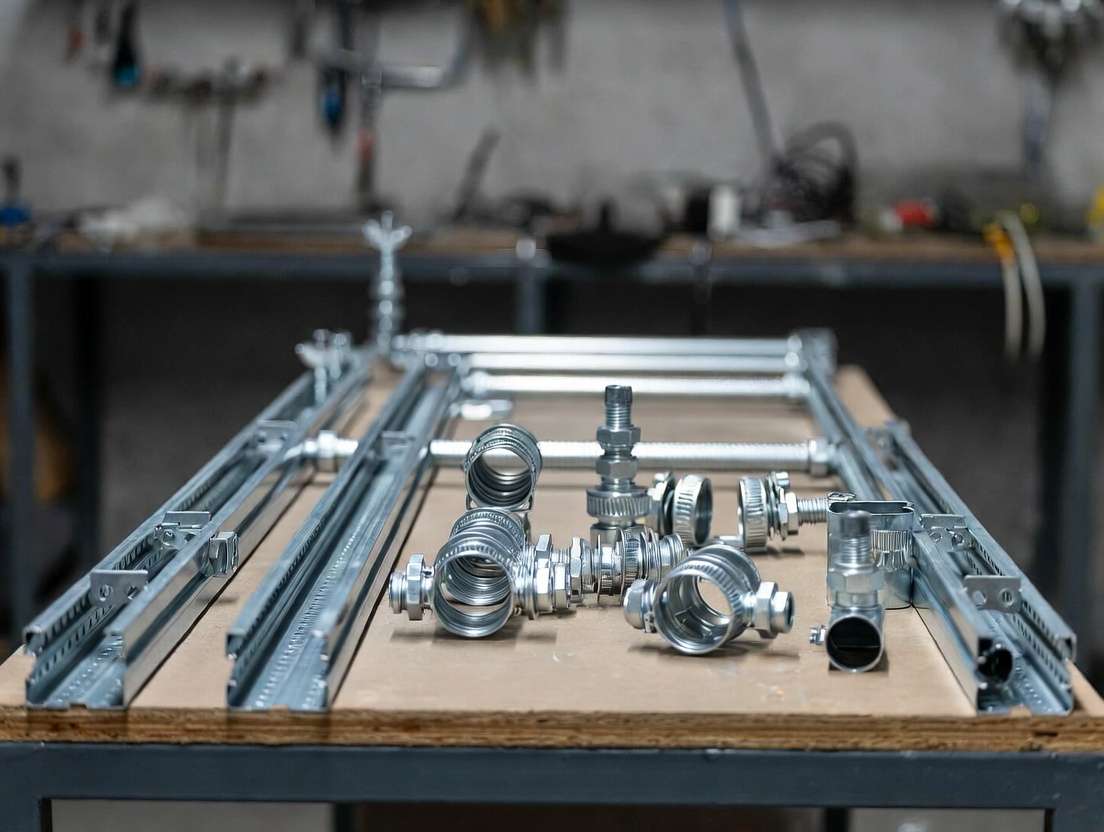
Lighting & Controls for Engineering Environments
While often overlooked, proper lighting enhances precision work in mechanical prototyping and testing. Cooper Electric provides LED task lighting, emergency fixtures, and occupancy sensors that integrate with automated systems. For machine vision applications in quality control robotics, high-CRI LED fixtures ensure accurate color rendering.
In sustainable mechanical projects, their solar products and energy-efficient controls support off-grid prototypes or green building integrations. These solutions improve workplace safety and energy efficiency without compromising mechanical design goals.
Tools, Instruments & Additional Essentials
No project is complete without reliable testing and installation tools. Cooper Electric stocks multimeters, clamp meters, thermal imagers, and cable pullers from brands like Klein Tools and Fluke—essential for verifying electrical performance in mechanical prototypes. Additional items include heat shrink tubing, cable ties, and labeling systems for professional documentation.
How to Select and Source the Right Components from Cooper Electric Supply
Selecting electrical components for mechanical projects requires a systematic approach to ensure compatibility, performance, and compliance.
- Assess Project Requirements — Determine voltage/amperage needs, environmental conditions (e.g., IP ratings for dust/moisture), and mechanical stresses (vibration, temperature extremes).
- Check Compatibility & Standards — Verify UL listings, NEC compliance, and integration with existing mechanical elements (e.g., motor torque specs matching contactor ratings).
- Utilize Cooper’s Resources — Browse their online catalog at cooper-electric.com for detailed specs, or use the quick search by part number/UPC. Request quotes via their system for bulk or custom orders.
- Leverage Expert Support — Contact local branches or specialists in automation/industrial solutions for recommendations. Their material staging service pre-kits components, saving time on-site.
Real-world example: A mechanical engineer developing an automated conveyor system sourced Eaton circuit breakers, B-Line strut supports, and Schneider contactors from Cooper Electric. With same-day pickup from a nearby branch and technical consultation, the project avoided compatibility issues and completed ahead of schedule, reducing downtime risks.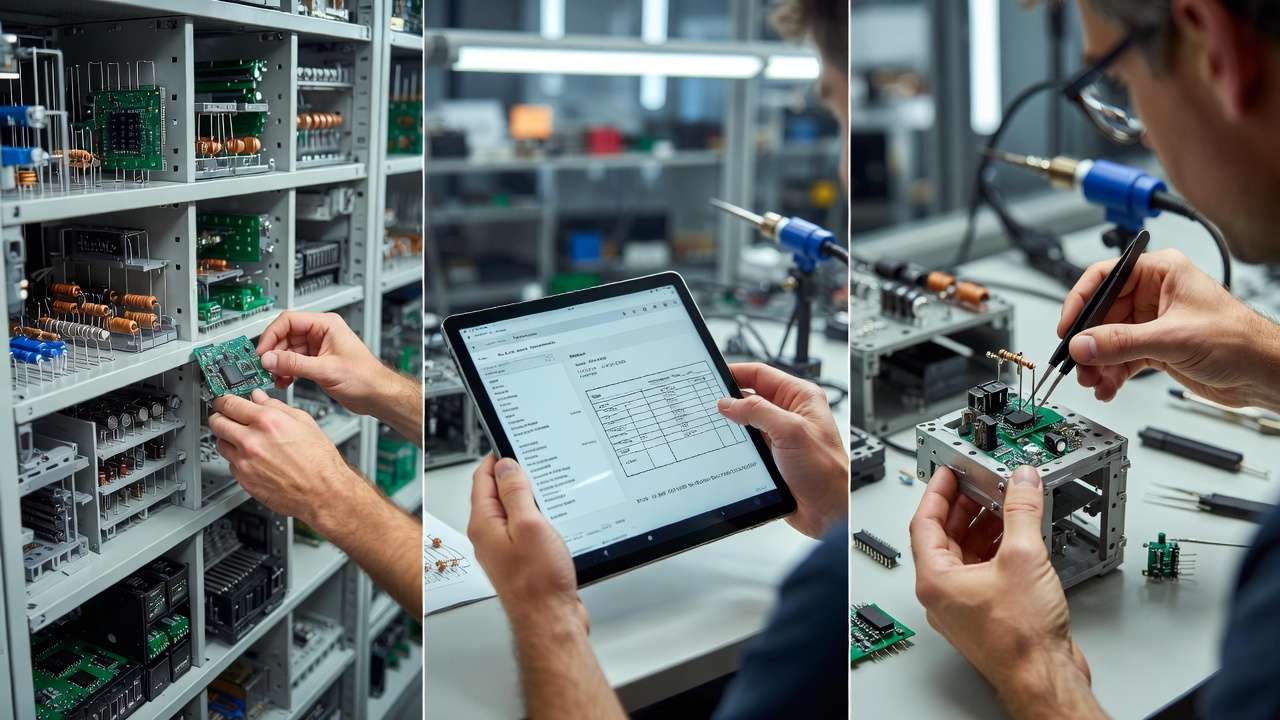
This streamlined process turns sourcing from a bottleneck into a strategic advantage.
Best Practices for Integrating Electrical Components into Mechanical Designs
Successful integration demands foresight in design phases:
- EMC/EMI Considerations — Use shielded cables and proper grounding to minimize electromagnetic interference in sensor-heavy mechatronic systems.
- Thermal & Vibration Management — Select components rated for operating temperatures and secure them with anti-vibration mounts to prevent loosening.
- Safety & Compliance — Always choose UL-listed products and follow NEC guidelines for wiring methods. Incorporate lockout/tagout provisions in control panels.
Common pitfalls include undersized conductors causing voltage drops or improper conduit fill leading to overheating. Cooper Electric’s experts help avoid these through pre-project reviews and code-compliant recommendations.
Emerging trends like Industry 4.0 demand IoT-ready components—Cooper’s automation lineup supports this evolution.
Real-World Applications and Success Stories
In industrial automation, mechanical engineers use Cooper Electric components for conveyor systems: power distribution panels feed motors, while sensors and PLCs enable precise control, boosting throughput.
For renewable energy prototypes, solar products and enclosures support off-grid mechanical test rigs, ensuring reliable power in remote setups.
University research projects benefit from quick sourcing of control relays and wiring for robotic arms, allowing rapid iteration without delays.
These scenarios demonstrate how Cooper Electric’s inventory and support deliver time and cost savings while maintaining high reliability.
Expert Insights and Pro Tips
From a mechanical engineering perspective:
- Prioritize flexible, high-flex cables for dynamic applications to extend service life.
- Incorporate redundant power paths in critical systems for fail-safe operation.
- Use modular enclosures for easy upgrades as designs evolve.
- Stay ahead with trends like EV integration and smart sensors—Cooper offers growing solutions in these areas.
- Always document electrical schematics alongside mechanical drawings for maintenance teams.
These insights, drawn from decades of interdisciplinary projects, help elevate your designs.
Frequently Asked Questions (FAQs)
What types of automation components does Cooper Electric Supply carry? They offer relays, contactors, PLCs, sensors, and machine safety devices from brands like Schneider Electric and Eaton—ideal for mechatronic and industrial automation needs.
How can I get fast delivery for urgent mechanical prototypes? With 70+ branches in the Northeast, same-day pickup or next-day delivery is common. Use their online quote system or call local specialists for expedited service.
Are Cooper’s products suitable for high-vibration mechanical applications? Yes—industrial-grade options like armored cables, vibration-resistant connectors, and secure strut systems from B-Line are designed for such conditions.
How does Cooper compare to DigiKey or McMaster-Carr for engineers? Cooper excels in bulk industrial/commercial supply, local availability, technical support, and project staging—better for large-scale or urgent mechanical integrations, while others suit small-quantity electronics.
Do they support sustainable energy projects? Absolutely—their solar products, EV charging solutions, and energy-efficient controls align with green mechanical designs.
Can I get custom configurations? Yes—through their specialists, including panel builds and kitted assemblies.
What safety standards do their products meet? Most are UL-listed and NEC-compliant, with options for hazardous locations.
How do I start sourcing for a project? Visit cooper-electric.com, use the search/catalog, or contact a local branch for expert guidance.
Conclusion
In mechanical engineering, where precision, reliability, and integration define success, Cooper Electric Supply provides the essential electrical foundation your projects demand. From power distribution and automation controls to conduit supports and testing tools, their comprehensive inventory, expert teams, and value-added services solve real sourcing challenges and enable innovation.
Partnering with a distributor of this caliber isn’t merely convenient—it’s a strategic choice that enhances project outcomes, ensures compliance, and accelerates timelines. Explore their offerings at cooper-electric.com, visit a nearby branch, or reach out to their specialists today to source the components that will power your next breakthrough.