
Imagine hosting a beautifully planned outdoor event or managing a critical construction project—only to have everything disrupted by cold temperatures. Productivity drops, guests feel uncomfortable, and safety risks increase. In such scenarios, outdoor space heater rental emerges not just as a convenience, but as a necessity.
Whether you’re an event planner, site engineer, or facility manager, ensuring proper thermal comfort in outdoor or semi-open environments is crucial. Cold stress can affect worker efficiency, damage materials, and even violate safety standards. Instead of investing heavily in permanent systems, renting outdoor heaters offers a flexible, cost-effective, and technically sound solution.
In this comprehensive guide, we’ll explore everything you need to know—from engineering principles and heater types to cost analysis and expert tips—so you can make an informed, efficient, and safe heating decision.
What Is Outdoor Space Heater Rental?
Definition and Core Concept
Outdoor space heater rental refers to the temporary leasing of portable heating systems designed to maintain thermal comfort in open or partially enclosed spaces. Unlike permanent installations, rental solutions are tailored for short-term or seasonal needs.
From a mechanical engineering perspective, these systems are designed to deliver controlled heat output using various energy sources while optimizing efficiency and safety.
Common Applications
Outdoor heater rentals are widely used across multiple industries:
- Events and Hospitality: Weddings, corporate functions, outdoor dining setups
- Construction Sites: Ensuring worker safety and material integrity in cold climates
- Industrial Operations: Warehouses, temporary facilities, and loading docks
- Emergency Situations: Backup heating during HVAC system failures
These applications highlight the versatility and necessity of rental heating solutions in real-world scenarios.
Types of Outdoor Space Heaters Available for Rent

Choosing the right heater starts with understanding the available options and their engineering principles.
Electric Heaters
Electric heaters operate using resistive heating elements, where electrical energy is converted into heat.
Key Features:
- Clean, emission-free operation
- Ideal for enclosed or semi-enclosed spaces
- Low maintenance requirements
Limitations:
- Limited heating capacity compared to fuel-based systems
- Requires reliable power supply
Propane Heaters
These heaters rely on combustion of propane gas to generate heat.
Advantages:
- High portability
- Quick heat generation
- Suitable for outdoor events
Engineering Insight:
Propane heaters offer high energy density, making them efficient for short-term, high-demand applications.
Diesel/Kerosene Heaters

Used primarily in industrial environments, these heaters deliver high BTU output.
Types:
- Direct-fired: High efficiency but emit exhaust gases
- Indirect-fired: Cleaner air output using heat exchangers
Best For:
- Construction sites
- Large open spaces
Infrared (Radiant) Heaters
Infrared heaters transfer heat directly to objects and people rather than heating the air.
Benefits:
- Highly efficient in windy conditions
- Instant heat delivery
Engineering Principle:
Radiative heat transfer minimizes energy loss, making these heaters ideal for targeted heating.
Forced Air Heaters
These systems use fans to distribute warm air across large areas.
Use Cases:
- Warehouses
- Tents and temporary shelters
Consideration:
Requires proper airflow planning to avoid heat loss.
How Outdoor Space Heaters Work (Engineering Perspective)

Understanding the science behind these systems helps in selecting the most efficient solution.
Heat Transfer Mechanisms
Outdoor heaters utilize three primary modes of heat transfer:
- Conduction: Heat transfer through direct contact
- Convection: Heat carried by moving air
- Radiation: Heat transferred through electromagnetic waves
Most outdoor heaters rely heavily on convection and radiation for effective performance.
Energy Efficiency and Output Calculations
Heating capacity is measured in BTUs (British Thermal Units).
Basic Rule of Thumb:
- 1 BTU raises the temperature of 1 pound of water by 1°F
- Outdoor spaces require higher BTU due to heat loss
Example Calculation:
- Small outdoor area: 10,000–40,000 BTU
- Large industrial space: 100,000+ BTU
Matching heater capacity to space size is critical for efficiency.
Fuel Efficiency vs Heat Output Trade-offs
Each fuel type presents a balance between cost, availability, and output:
| Fuel Type | Efficiency | Cost | Output |
|---|---|---|---|
| Electric | High | Medium | Low–Medium |
| Propane | Medium | Medium | Medium–High |
| Diesel | High | Low | High |
Engineering decisions should consider both operational cost and thermal requirements.
Key Benefits of Outdoor Space Heater Rental
Cost-Effectiveness
Purchasing industrial-grade heaters can be expensive. Rental eliminates upfront capital expenditure while providing access to high-quality equipment.
Flexibility and Scalability
You can scale heating capacity based on:
- Project size
- Weather conditions
- Duration
Access to Advanced Equipment
Rental providers often offer:
- Energy-efficient models
- Latest safety features
- High-performance systems
Reduced Maintenance Responsibility
Maintenance, servicing, and repairs are typically handled by the rental provider—saving time and effort.
When Should You Choose Rental Over Purchase?
Short-Term Projects
For temporary needs like events or seasonal work, renting is the most logical choice.
Budget Constraints
Rental minimizes financial risk and preserves capital for core operations.
Testing Before Buying
Renting allows you to evaluate performance before committing to a purchase.
How to Choose the Right Outdoor Space Heater Rental
Assessing Your Heating Requirements
Consider:
- Area size
- Ambient temperature
- Wind conditions
- Insulation level
Calculating Required BTU Output
An engineering-based estimate ensures optimal performance without energy waste.
Fuel Availability and Cost
Choose fuel based on:
- Local availability
- Cost per unit
- Storage requirements
Portability and Installation Needs
Some applications require:
- Mobile units
- Quick setup systems
Environmental and Safety Considerations
Ensure compliance with:
- Emission standards
- Ventilation requirements
- Safety certifications
Safety Guidelines for Outdoor Space Heater Use
Proper Placement and Ventilation
- Maintain adequate spacing
- Ensure airflow to prevent gas buildup
Fire Hazard Prevention
- Keep away from flammable materials
- Use stable surfaces
Weather Protection
- Shield heaters from rain and wind
- Use protective covers when necessary
Compliance with Safety Standards
Follow guidelines from recognized safety authorities to avoid risks.
Cost Breakdown of Outdoor Space Heater Rental
Average Rental Pricing
Typical ranges:
- Daily: $20–$150
- Weekly: $100–$500
- Monthly: $300–$1500
Factors Affecting Cost
- Heater type
- BTU capacity
- Rental duration
- Fuel type
Hidden Costs to Watch For
- Delivery charges
- Fuel costs
- Setup fees
Cost Comparison: Rental vs Purchase
Rental is ideal when:
- Usage is infrequent
- Maintenance costs are high
- Technology upgrades are frequent
Real-World Use Cases and Case Studies
Understanding how outdoor space heater rental performs in real-world scenarios helps bridge theory with practical application.
Event Heating Success Story

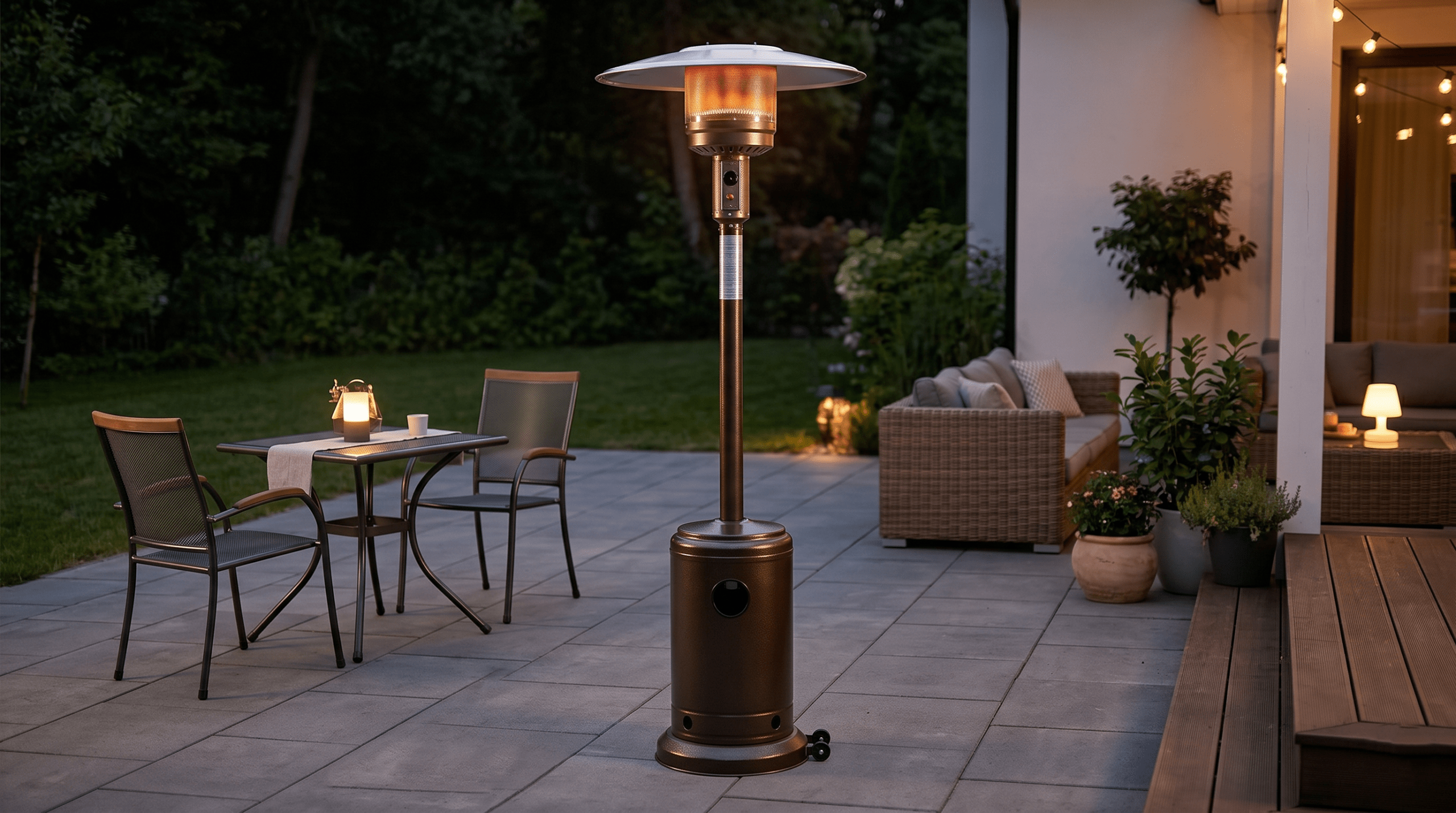
A large outdoor wedding planned during winter faced dropping temperatures below 10°C. The organizers opted for propane patio heaters combined with infrared units inside tents.
Outcome:
- Comfortable guest experience
- Reduced condensation inside tents
- No disruption despite cold weather
Engineering Insight:
Combining convective (propane) and radiant (infrared) heating created a balanced thermal environment.
Construction Site Productivity Boost
A civil engineering project in a cold region experienced delays due to low temperatures affecting both workers and materials like concrete.
Solution:
- Diesel-fired forced air heaters deployed across the site
Results:
- Improved worker productivity
- Maintained optimal curing temperature for concrete
- Reduced project delays
Key Takeaway:
Maintaining thermal conditions is critical for material integrity and workforce efficiency.
Emergency Heating Scenario
A warehouse experienced HVAC system failure during peak winter.
Action Taken:
- Temporary rental of indirect-fired heaters
Impact:
- Prevented inventory damage
- Maintained operational continuity
Lesson:
Rental heaters act as a reliable backup system in emergencies.
Common Mistakes to Avoid When Renting Outdoor Space Heaters
Even with the best intentions, improper decisions can reduce efficiency and increase costs.
1. Choosing the Wrong Heater Size
- Undersized heaters fail to provide adequate warmth
- Oversized units waste fuel and increase costs
2. Ignoring Ventilation Requirements
- Fuel-based heaters require proper airflow
- Poor ventilation can lead to hazardous gas buildup
3. Overlooking Fuel Logistics
- Running out of fuel mid-operation can disrupt activities
- Always plan fuel storage and supply
4. Not Checking Rental Provider Reputation
- Poor-quality equipment can lead to inefficiency or safety risks
- Always verify reviews, certifications, and service quality
Expert Tips for Maximizing Efficiency
To get the most out of your outdoor space heater rental, apply these engineering-backed strategies:
Strategic Heater Placement
- Position heaters near high-traffic areas
- Avoid placing them in open wind paths
Combine Multiple Heating Methods
- Use radiant heaters for people
- Use forced air heaters for ambient temperature
Use Wind Barriers and Insulation
- Temporary enclosures reduce heat loss
- Improves overall efficiency significantly
Optimize Usage Timing
- Operate heaters only when needed
- Use thermostatic controls if available
How to Find a Reliable Outdoor Space Heater Rental Provider
Selecting the right provider is just as important as choosing the right equipment.
What to Look For
- Proven industry experience
- Well-maintained, modern equipment
- Compliance with safety standards
Questions to Ask Before Renting
- What maintenance support is included?
- Are emergency services available?
- What is the fuel efficiency rating?
Red Flags to Avoid
- अस्पष्ट pricing structures
- Lack of certifications
- Negative customer feedback
Environmental Impact and Sustainable Heating Options
With increasing emphasis on sustainability, choosing eco-friendly heating solutions is more important than ever.
Eco-Friendly Heater Choices
- Electric heaters powered by renewable energy
- Low-emission propane systems
- High-efficiency diesel units with reduced exhaust
Reducing Carbon Footprint
- Use heaters with high energy efficiency ratings
- Minimize heat loss through proper setup
- Avoid overuse by accurate sizing
Frequently Asked Questions (FAQs)
How much does outdoor space heater rental cost?
Costs vary depending on heater type, size, and duration. On average, expect $20–$150 per day.
What size heater do I need for my space?
It depends on area size, insulation, and temperature. A proper BTU calculation ensures optimal performance.
Are outdoor heaters safe to use in tents?
Yes, but only with proper ventilation and the use of indirect-fired or electric heaters.
Which fuel type is most efficient?
Diesel offers high output and efficiency for large spaces, while electric is best for clean, enclosed environments.
Can I rent heaters for long-term use?
Yes, many providers offer flexible monthly rental plans.
Conclusion: Making the Smart Heating Decision
In today’s dynamic environments—whether events, construction sites, or industrial operations—temperature control is not a luxury; it’s a necessity. Outdoor space heater rental provides a practical, cost-effective, and engineering-driven solution to meet this demand.
By understanding heater types, calculating proper heating requirements, and following safety and efficiency best practices, you can ensure optimal performance without unnecessary costs.
From reducing downtime to enhancing comfort and safety, the right heating solution can significantly impact your success. Instead of investing heavily in permanent systems, renting gives you the flexibility to adapt, scale, and optimize—exactly when and where you need it.