
Imagine stepping into your car on a sweltering afternoon in Dhaka, where temperatures routinely climb above 35°C, turning the interior into an oven. The dashboard fades, your AC works overtime, and UV rays threaten your skin and upholstery. Permanent window tint offers relief, but it comes with risks: potential residue on removal, complications during vehicle inspections or resale, and strict local regulations that can lead to fines or forced removal. What if you could achieve similar heat reduction, UV protection, and privacy — without any permanent commitment?
Removable window tint provides exactly that: an engineering-smart, adhesive-free alternative that clings to glass via electrostatic forces or micro-suction, allowing easy application, repositioning, and complete removal with no damage or residue. Ideal for renters, leased vehicles, frequent vehicle changers, or anyone in regions with variable tint laws (including Bangladesh, where post-factory tinted or dark films often face scrutiny), these reusable films deliver real performance while giving you flexibility.
As a mechanical engineering expert specializing in automotive materials and thermal management, I’ve analyzed countless films, tested adhesion mechanics in humid climates, and evaluated heat transfer principles in real-world conditions. This ultimate guide draws on material science, optics, and practical automotive engineering to help you make an informed choice — far more comprehensive than typical reviews. Whether you’re battling Dhaka’s intense sun or simply want a temporary upgrade, you’ll find everything needed to select, install, maintain, and even troubleshoot removable tint effectively.
What Is Removable Window Tint?
Removable window tint, often called static cling or non-adhesive film, is a specialized vinyl or PVC-based sheet designed for temporary adhesion to vehicle glass. Unlike traditional pressure-sensitive adhesive tints that bond chemically and require solvents or scraping for removal, removable versions rely on physical forces — primarily electrostatic attraction and micro-suction — to stay in place.
The core innovation lies in the material’s surface properties: smooth, slightly charged vinyl creates a natural bond with clean, non-porous glass when pressed flat, expelling air and water to form thousands of microscopic contact points. This eliminates glue entirely, making the film fully reversible and reusable across multiple vehicles or seasons.
Historically, static cling films started as basic decorative decals in the 1980s–1990s, but automotive-grade versions evolved in the 2000s with added solar control layers (dyed, metalized, or nano-infused) for genuine heat and UV rejection. Today, they represent a growing segment for DIY enthusiasts and those avoiding permanent modifications.
From an engineering standpoint, the key distinction is adhesion physics: permanent tints use acrylic or PSA (pressure-sensitive adhesive) layers for long-term chemical bonding, while removable films exploit van der Waals forces, air pressure differential, and molecular cohesion — no curing time, no residue, but slightly less shear strength on high-movement surfaces like roll-down windows.
How Removable Window Tint Works: The Engineering Behind It
Understanding the science helps set realistic expectations and choose better products.
Electrostatic Adhesion Mechanics The “static” in static cling is somewhat misleading — true static electricity (triboelectric charging) plays a minor role initially. The primary mechanism is micro-suction and molecular bonding. When applied (often wet with soapy water), the film conforms to the glass. As you squeegee out moisture and air bubbles, the ultra-smooth vinyl surface comes into intimate contact with the glass, creating van der Waals attractions at the molecular level. This acts like countless tiny suction cups, holding the film securely without glue. In humid climates like Dhaka, proper surface prep (degreasing with isopropyl alcohol) maximizes this bond by removing contaminants that disrupt contact.
Material Science Breakdown Most removable tints use flexible polyvinyl chloride (PVC) or polyester bases, 0.15–0.24 mm thick for durability on curved auto glass. Layers may include:
- Dyed pigments for color and basic light blocking.
- Metalized or nano-ceramic particles for infrared (IR) reflection/absorption.
- UV inhibitors to prevent degradation.
These films withstand -20°C to 80°C temperature swings but can lose cling in extreme humidity or dirt buildup due to reduced surface contact.
Optical and Thermal Performance Key metrics include:
- Visible Light Transmission (VLT): Percentage of visible light passing through (e.g., 20% VLT blocks 80% light for privacy).
- Infrared Rejection (IR): Blocks heat-generating IR rays (good removable films achieve 50–80%).
- Total Solar Energy Rejection (TSER): Overall solar heat blocked (typically 40–60% for quality static cling).
- UV Rejection: Often 96–99%, protecting interiors and skin.
Removable films generally offer solid UV/IR performance but lag behind premium permanent ceramic tints (which can hit 85–99% IR rejection) due to thinner construction and no permanent multi-layer stacks.
Comparison Table: Removable vs. Permanent Tint
| Aspect | Removable (Static Cling) | Permanent (Ceramic/Adhesive) |
|---|---|---|
| Adhesion | Electrostatic/micro-suction | Chemical adhesive |
| Heat Rejection (IR) | 50–80% | 70–99% |
| UV Rejection | 96–99% | 99% |
| Durability | 1–5 years (reusable cycles) | 5–15+ years |
| Installation | DIY, wet method, repositionable | Pro recommended, permanent |
| Removal | Peel off, no residue | Difficult, may leave residue |
| Cost (per vehicle) | Lower upfront, reusable | Higher upfront |
| Best For | Temporary, renters, legal flexibility | Long-term ownership |
Types of Removable Window Tint
Several variants exist, each suited to different needs.
Static Cling Films The most popular and affordable. Brands like Gila Static Cling (e.g., 20% VLT Black) use dyed PVC for glare reduction and privacy. They perform well on side/rear windows but may bubble on roll-downs if not pre-cut precisely.
Precut Reusable Sheets Custom-fit panels (often from brands like EvoFilm or Lazeway) for specific models. Rigid or semi-rigid, they offer better edge sealing and longevity on curved glass. Great for DIYers wanting factory-like results.
Other Variants
- Magnetic-edge hybrids (rare, frame-based for quick on/off).
- Clear/decorative static films (for UV protection without darkening).
Engineering Pros/Cons Table
| Type | Adhesion Reliability (Curved/Roll-Down) | Longevity in Heat/Humidity | Cost Range |
|---|---|---|---|
| Basic Static Cling | Moderate (may lift on edges) | 1–3 years | Low |
| Precut Reusable | High | 3–5+ years | Medium |
| Magnetic/Hybrid | Variable | 2–4 years | High |
Benefits of Choosing Removable Window Tint
The primary appeal of removable window tint lies in its ability to deliver meaningful automotive comfort and protection while eliminating many pain points associated with permanent films.
- Zero Residue and No Glass Damage Because there is no chemical adhesive, removal is clean and straightforward. This is especially valuable for leased vehicles, company cars, or when preparing a vehicle for resale. In markets like Bangladesh, where pre-owned car buyers often scrutinize window condition, leaving pristine glass can increase resale value by thousands of taka.
- Reusability and Transferability Quality static cling or precut films can be removed, cleaned, stored, and reapplied multiple times — often 5–20 cycles depending on care and environmental conditions. Many owners transfer the same set from an old car to a new one, dramatically lowering the cost-per-use compared to re-tinting every vehicle.
- Legal and Regulatory Flexibility Bangladesh Road Transport Act and BRTA guidelines restrict front side windows to higher VLT levels (typically ≥50–70% depending on vehicle class), while rear windows allow darker tints. Removable films let you adapt instantly: apply darker privacy tints for rear windows during daily driving, then remove or swap to lighter/clear versions before police checks or registration renewals.
- Effective Heat and UV Reduction Even mid-range removable films block 96–99% of harmful UV rays, preventing interior fading and reducing skin cancer risk during long commutes. Infrared rejection of 50–80% translates to noticeably cooler cabins — often 5–10°C lower interior temperatures in direct sunlight — which reduces air-conditioning load, improves fuel efficiency (especially important for smaller-engine cars common in Dhaka traffic), and enhances overall driving comfort.
- Glare Reduction and Privacy Lower-VLT options cut harsh sunlight glare (helpful on congested roads with reflective buildings), while still allowing decent outward visibility during the day. Rear-window privacy protects valuables from prying eyes — a practical concern in urban parking areas.
- DIY-Friendly and Low Commitment No professional installation required in most cases, saving 3,000–8,000 BDT compared to permanent ceramic tint jobs. You can experiment with different darkness levels or remove everything if the look or performance doesn’t meet expectations.
In short, removable tint solves the classic engineering trade-off between performance and reversibility, making it one of the smartest temporary modifications available for modern vehicles.
Drawbacks and Realistic Expectations
No solution is perfect. Here are the honest limitations you should understand before purchasing:
- Edge Lifting and Bubbling on Roll-Down Windows Static cling performs best on fixed glass. On windows that roll down frequently, repeated flexing and friction can cause micro-air ingress, leading to edge peel or small bubbles over months — especially in high-humidity Dhaka summers.
- Lower Long-Term Durability Most removable films last 1–5 years with good care, compared to 10+ years for high-end permanent ceramic tints. Exposure to constant heat, UV, and road contaminants accelerates micro-cracking or yellowing in lower-quality products.
- Nighttime Visibility Trade-Off Very dark removable tints (5–15% VLT) can significantly reduce outward visibility after sunset, increasing risk on poorly lit Dhaka roads. Always choose VLT ≥20–35% for rear windows if you drive at night frequently.
- Static Charge Degradation Over time (especially with dust, fingerprints, or improper cleaning), the film’s ability to hold a charge weakens, requiring re-wetting or replacement.
- Limited Heat Rejection vs. Premium Permanent Options While 50–80% IR rejection is respectable, top ceramic permanent films reach 90–99%. In extreme heat, the difference can be noticeable during prolonged traffic jams.
Managing expectations is key: removable tint excels at temporary, flexible protection — not as a lifelong, maximum-performance solution.
How to Choose the Best Removable Window Tint
Selecting the right product involves balancing performance specs, vehicle fit, climate, and budget.
Key Specs to Evaluate
- VLT (Visible Light Transmission): 5–20% for maximum privacy (rear only), 35–50% for balanced day/night use, ≥70% for front windshield legality in many regions.
- IR Rejection: Aim for ≥60% for meaningful heat reduction.
- UV Rejection: Should be ≥96%.
- Thickness & Flexibility: 0.18–0.24 mm for durability on curved glass.
- Warranty: Look for at least 1–3 years against bubbling/peeling.
- Precut vs. Roll: Precut saves hours of trimming and ensures perfect fit.
Best for Different Needs
- Extreme Heat (Dhaka Summers): Prioritize high IR rejection (e.g., nano-ceramic infused static cling).
- Maximum Privacy: 5–15% VLT rear-focused kits.
- Front Windshield / Legal Compliance: Clear or 70–80% VLT “daytime running” films.
- Budget-Conscious: Basic dyed static cling rolls (still effective for UV/glare).
- Premium Reusability: Precut multi-layer films from reputable brands.
Top Recommendations (2025–2026 Market)
- Gila Static Cling (widely available online and in local auto shops) – Affordable, decent 50–60% IR, good starter option.
- MotoShield Pro / EVO Static Cling Precut – Higher IR rejection (70–80%), better edge adhesion, excellent reusability.
- True Line / WeatherTech-style precut kits – Rigid-backed for curved glass, longest lifespan.
- Local Bangladesh Options (e.g., imported rolls from Daraz or auto markets in Dhaka) – Check seller reviews for genuine IR/UV specs.
Always verify third-party test data when possible — many cheap films exaggerate performance.
Step-by-Step Installation Guide
Installing removable window tint is one of the most satisfying DIY automotive projects — it requires no special tools beyond basic household items, and the results are immediate. With proper technique, even beginners can achieve bubble-free, professional-looking application on side and rear windows. Below is a detailed, engineering-informed process optimized for curved auto glass and humid climates like Dhaka.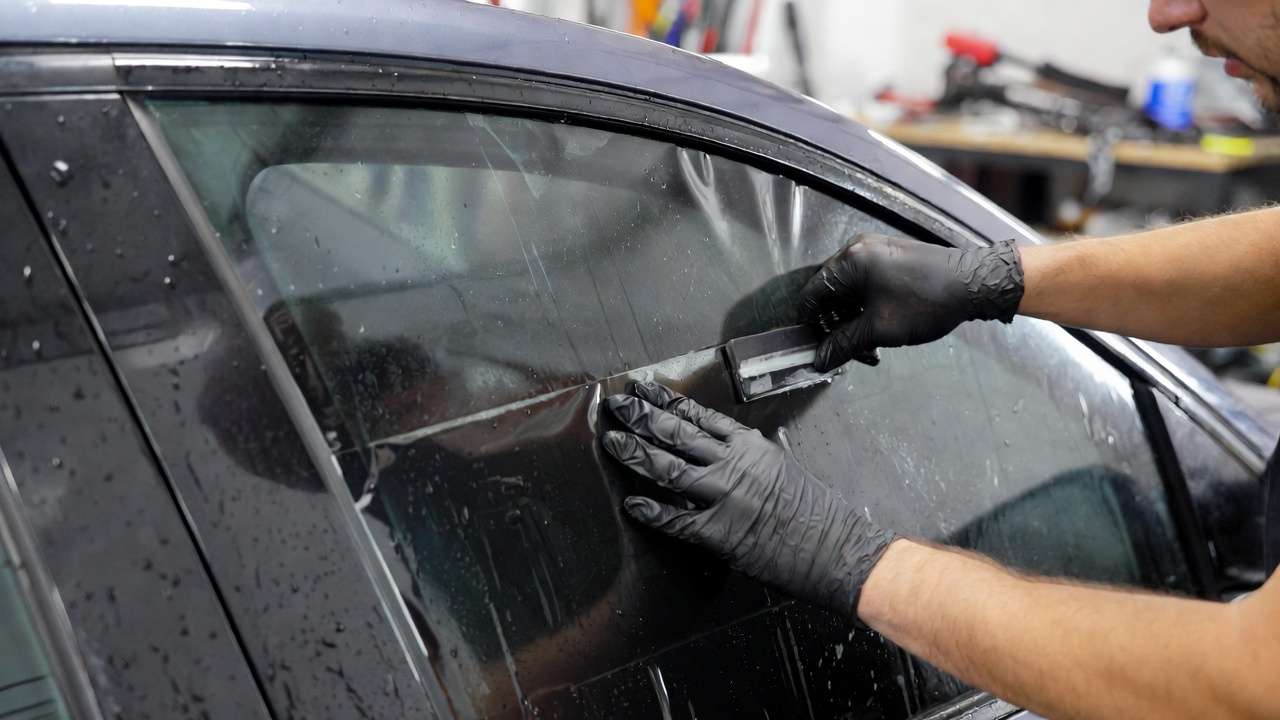
Tools and Materials Needed
- Removable tint film (precut preferred; if roll, use a sharp utility knife and cardboard template)
- Spray bottle with application solution (mix: 1 liter distilled water + 4–6 drops baby shampoo or dish soap — no alcohol-based cleaners)
- Squeegee (plastic or felt-edged; credit card wrapped in microfiber works in a pinch)
- Microfiber cloths (lint-free)
- Isopropyl alcohol (70–90%) and clean rags for degreasing
- Measuring tape, marker, and masking tape (for roll-cut films)
- Razor blade or precision knife
- Optional: heat gun or hair dryer (for stubborn curves)
Step 1: Thorough Surface Preparation (Most Critical Step) Electrostatic and micro-suction adhesion fails if the glass isn’t perfectly clean.
- Park in shade (direct sun causes rapid drying and bubbles).
- Clean interior and exterior of target windows with glass cleaner, then wipe with isopropyl alcohol on a lint-free cloth to remove oils, silicones, and road film.
- Dry completely with a fresh microfiber. Any residue reduces contact area and weakens cling by 50% or more.
Step 2: Cut and Fit the Film (If Not Precut)
- Measure each window (add 2–3 cm extra on all sides for trimming).
- Cut film slightly larger, then wet both glass and film adhesive side.
- Position roughly, squeegee lightly from center outward to tack in place.
- Use a heat gun on low (or hair dryer) to soften film for better conformity on deep curves (common on rear quarter windows). Avoid overheating — PVC can warp above 90°C.
Step 3: Wet Application and Bubble Removal
- Generously mist glass and film’s cling side with soapy solution.
- Place film on glass (cling side down). The slip allows repositioning for perfect alignment.
- Starting from the center, squeegee firmly in overlapping strokes toward edges, pushing water and air out. Work in small sections.
- For roll-down windows: Apply with window halfway down, then roll up slowly while squeegeeing to avoid edge pinch.
- Trim excess with razor at a 45° angle against the glass edge for a clean finish.
Step 4: Final Squeegee and Edge Sealing
- Go over entire surface again with firm, even pressure to expel remaining micro-bubbles.
- Pay special attention to edges and corners — use the squeegee tip or a credit card edge.
- Let dry 24–48 hours before rolling windows down (critical in humid weather to allow full molecular bonding).
Common Mistakes and Fixes
- Bubbles appearing later: Usually trapped air or soap residue. Re-wet small area, lift film gently, squeegee again.
- Edges lifting: Insufficient initial squeegee pressure or dirty edge. Re-clean and press firmly.
- Film stretching/tearing: Too much tension on curves — use heat to relax material first.
With practice, a full sedan can be done in 2–4 hours. Precut kits cut this time in half and reduce trimming errors.
Removal and Reusability Tips
One of removable tint’s biggest advantages is clean, damage-free removal.
- Peeling Technique Start at a top corner, pull slowly and steadily at a low angle (nearly parallel to glass). If it resists, warm gently with a hair dryer to reduce cling tension. Never yank — this causes stretching or tearing.
- Cleaning the Film for Reuse Lay film cling-side up on a clean, flat surface. Spray lightly with soapy water, wipe gently with microfiber (no abrasive pads). Rinse under lukewarm water if dusty. Dry flat or hang by corners.
- Storage Best Practices Roll (never fold) around a cardboard tube, cling side inward, and store in a dust-free bag or tube in a cool, dry place (avoid attics or car trunks in summer). Properly stored, quality films last 3–5 reuse cycles easily.
- Expected Lifespan With careful handling: 10–20 reapplications on the same vehicle or transfer to another. Lower-quality films may degrade after 3–5 cycles.
Maintenance and Troubleshooting
- Daily/Weekly Cleaning Use only ammonia-free glass cleaner or plain soapy water on a microfiber cloth. Avoid abrasive pads, razor scrapers, or alcohol-based sprays — they degrade the cling surface over time.
- Fixing Issues
- Small bubbles: Re-wet, press out with squeegee or pin-prick and push.
- Edge curl: Lift edge, clean underneath, re-squeegee.
- Reduced cling: Re-wet application or replace film (usually after 2–3 years heavy use).
- Yellowing/fading: Inevitable with dyed films in intense UV; switch to metalized or nano-ceramic versions for better longevity.
Regular inspection every 3–6 months prevents small problems from becoming major ones.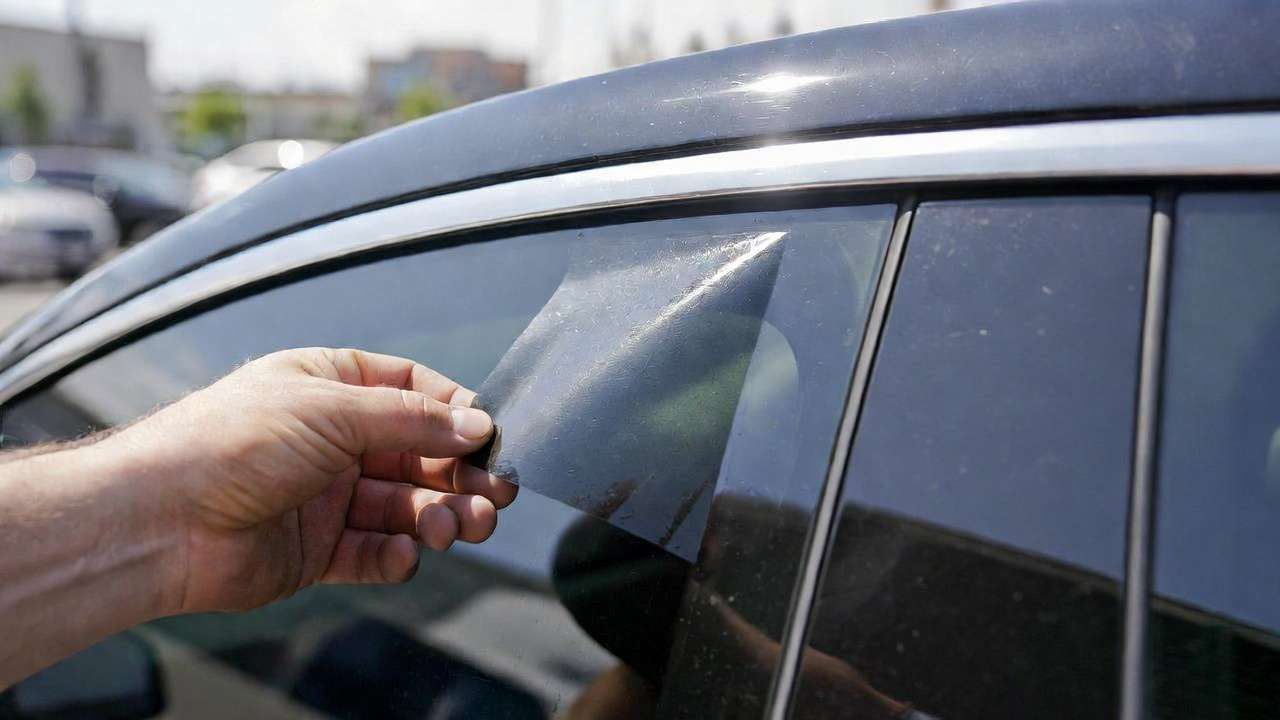
Removable Window Tint vs. Permanent Tint: Which Is Right for You?
Detailed Comparison Chart

Decision Scenarios
- Renting or leasing → Removable (no landlord/lessor issues).
- Frequent car upgrades → Removable (transfer films).
- Living in strict enforcement areas → Removable.
- Maximum heat rejection priority + long ownership → Permanent ceramic.
- Budget-conscious but want real UV/heat protection → Removable as starter.
Expert Insights from a Mechanical Engineering Perspective
As someone with a background in mechanical engineering — particularly automotive thermal systems, material selection, and heat transfer — I view removable window tint not just as a consumer product, but as an elegant compromise in applied physics and materials science.
Heat Transfer Analysis Vehicle cabin heat gain occurs primarily through three modes:
- Solar radiation (direct and diffuse) through glass → blocked by absorption/reflection in the film.
- Conduction from hot glass to interior air.
- Convection inside the cabin.
A good removable film with 60–80% IR rejection and high TSER reduces radiative heat flux significantly. In Dhaka’s typical summer conditions (solar irradiance ~900–1100 W/m², ambient 35–40°C), this can lower steady-state cabin temperature by 6–12°C compared to untinted glass. The effect is most pronounced during the first 30–60 minutes after parking in direct sun — exactly when parked cars become ovens. Lower cabin starting temperature also reduces AC compressor load by 10–25%, improving fuel economy in stop-go traffic (a measurable benefit for 1.2–1.5L engines common here).
Material Degradation in Automotive Environments Automotive glass sees extreme thermal cycling: daytime peaks near 70–80°C on the film surface, nighttime drops to 20–25°C, plus constant UV exposure (Bangladesh receives high annual UV index). Dyed static cling films fade fastest due to organic pigment photodegradation. Metalized or nano-ceramic infused removable films resist this better because metal/oxide particles scatter rather than absorb UV/IR, preserving optical clarity longer. Humidity accelerates edge delamination in poor-quality films by promoting micro-corrosion at the vinyl-glass interface — always prioritize films rated for high-humidity environments.
Future Trends We’re already seeing early adoption of:
- Graphene or carbon-nanotube additives for higher IR rejection without darkening.
- Hybrid films combining static cling with very thin micro-suction layers for improved roll-down performance.
- Smart films with switchable opacity (though still expensive and mostly permanent today).
For the next 3–5 years, expect precut, high-IR removable films to close the performance gap with permanent ceramics while retaining full reversibility — a win for sustainability (less waste from re-tinting) and user flexibility.
Frequently Asked Questions (FAQ)
1. Is removable window tint legal in Bangladesh? Yes, but it must comply with BRTA visibility rules. Front side windows generally require ≥50–70% VLT (depending on vehicle type and age), rear windows can be darker. Removable tint’s biggest advantage is that you can remove or swap films before fitness/registration checks or police stops. Always carry lighter spare films if you use dark rear tints.
2. Can removable tint be applied to the front windshield? Technically yes (using high-VLT clear or 70–80% films), but it’s rarely recommended. Even slight darkening reduces nighttime visibility and can attract law enforcement attention. Most users apply only to side and rear windows.
3. How dark can removable window tint be? Rear windows: 5–20% VLT for strong privacy. Side rear: 20–35%. Front sides: 50%+ to stay legal. Darker films sacrifice nighttime outward visibility — choose based on your driving habits.
4. Does removable tint reduce heat as much as permanent ceramic tint? Not quite. Quality removable films achieve 50–80% IR rejection vs. 85–99% for top ceramics. You’ll still feel a significant difference (cooler cabin, less AC strain), but extreme heat days show the gap.
5. Will it damage my car’s glass or defroster lines? No — when removed correctly, there is zero residue or etching. It does not interfere with rear-window defrosters (the cling is too light to block current flow).
6. How long does installation take for a beginner? 2–4 hours for a full car (longer if cutting from rolls). Precut kits reduce this to 1–2 hours.
7. Can I roll down windows with removable tint applied? Yes, but do so gently and infrequently at first. Repeated rolling can introduce air under edges over time. Many users apply only to fixed rear glass and use lighter or no film on roll-downs.
8. How do I know if the film is genuine high-performance or just cheap dyed vinyl? Ask for spec sheets showing measured IR rejection (not just marketing claims), UV blocking %, and TSER. Third-party lab tests or reputable brands (Gila, MotoShield, etc.) are more trustworthy than unbranded Daraz imports.
9. Can removable tint be used on home or office windows? Yes — the same static cling technology works excellently on flat building glass for UV/heat control without landlord permission issues.
10. What happens if it starts peeling in the middle of summer? Peel it off completely, clean the glass, and reapply (or replace). Edge issues are usually fixable by re-squeegeeing; widespread failure means the film has reached end-of-life.
Conclusion
Removable window tint represents one of the most practical, engineering-minded solutions for anyone who wants real heat rejection, UV protection, glare reduction, and privacy — without locking into a permanent modification. In climates like Dhaka’s, where intense sun and variable regulations make traditional tinting risky or expensive to reverse, these adhesive-free, reusable films offer unmatched flexibility.
Whether you’re protecting a leased car, experimenting with darkness levels, transferring protection to a new vehicle, or simply avoiding residue headaches during resale, the right removable tint delivers measurable comfort improvements while aligning perfectly with modern, low-commitment automotive trends.
Ready to get started? Measure your windows, choose a film based on your priority (heat vs. privacy vs. budget), and follow the installation steps above. You’ll likely wonder why you didn’t try this sooner.
Have questions about specific brands available in Bangladesh, performance in monsoon humidity, or your vehicle model? Drop them in the comments — I’m happy to help refine your choice.