A single temperature fluctuation of just 2–3°C can silently destroy an entire shipment of perishable goods—costing thousands in losses before anyone even notices. In hot and humid regions, this risk multiplies dramatically. This is where southern refrigerated transport becomes not just important, but mission-critical.
From fresh produce and dairy to life-saving pharmaceuticals, industries rely heavily on refrigerated logistics systems that can withstand extreme environmental conditions. However, operating in southern climates introduces unique engineering challenges—high ambient temperatures, intense solar radiation, elevated humidity, and long transportation distances all place enormous strain on refrigeration systems.
This article provides a deep engineering perspective on how to:
- Improve cold chain efficiency
- Reduce spoilage and product loss
- Optimize energy consumption in extreme climates
Whether you’re a mechanical engineer, fleet operator, or logistics planner, this guide delivers actionable insights grounded in real-world engineering principles.
Understanding Southern Refrigerated Transport Systems
What Is Southern Refrigerated Transport?
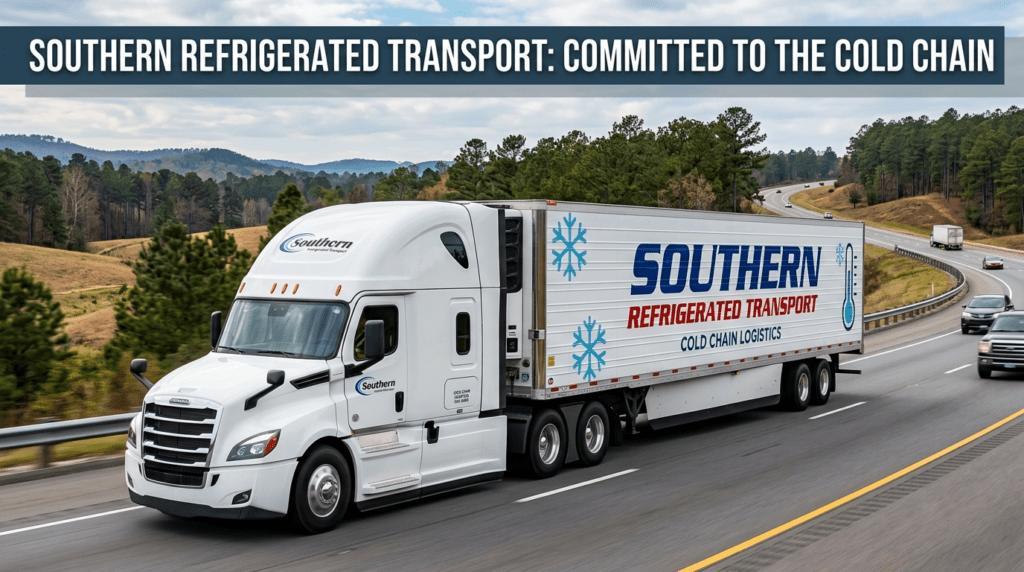
Southern refrigerated transport refers to temperature-controlled logistics systems operating in regions characterized by high ambient temperatures and humidity—such as tropical and subtropical zones.
These systems are critical for:
- Food supply chains (fruits, vegetables, meat, dairy)
- Pharmaceutical distribution (vaccines, biologics)
- Chemical and industrial materials
Unlike standard cold chain logistics, southern systems must handle continuous thermal stress, making engineering design significantly more complex.
Core Components of Refrigerated Transport Units
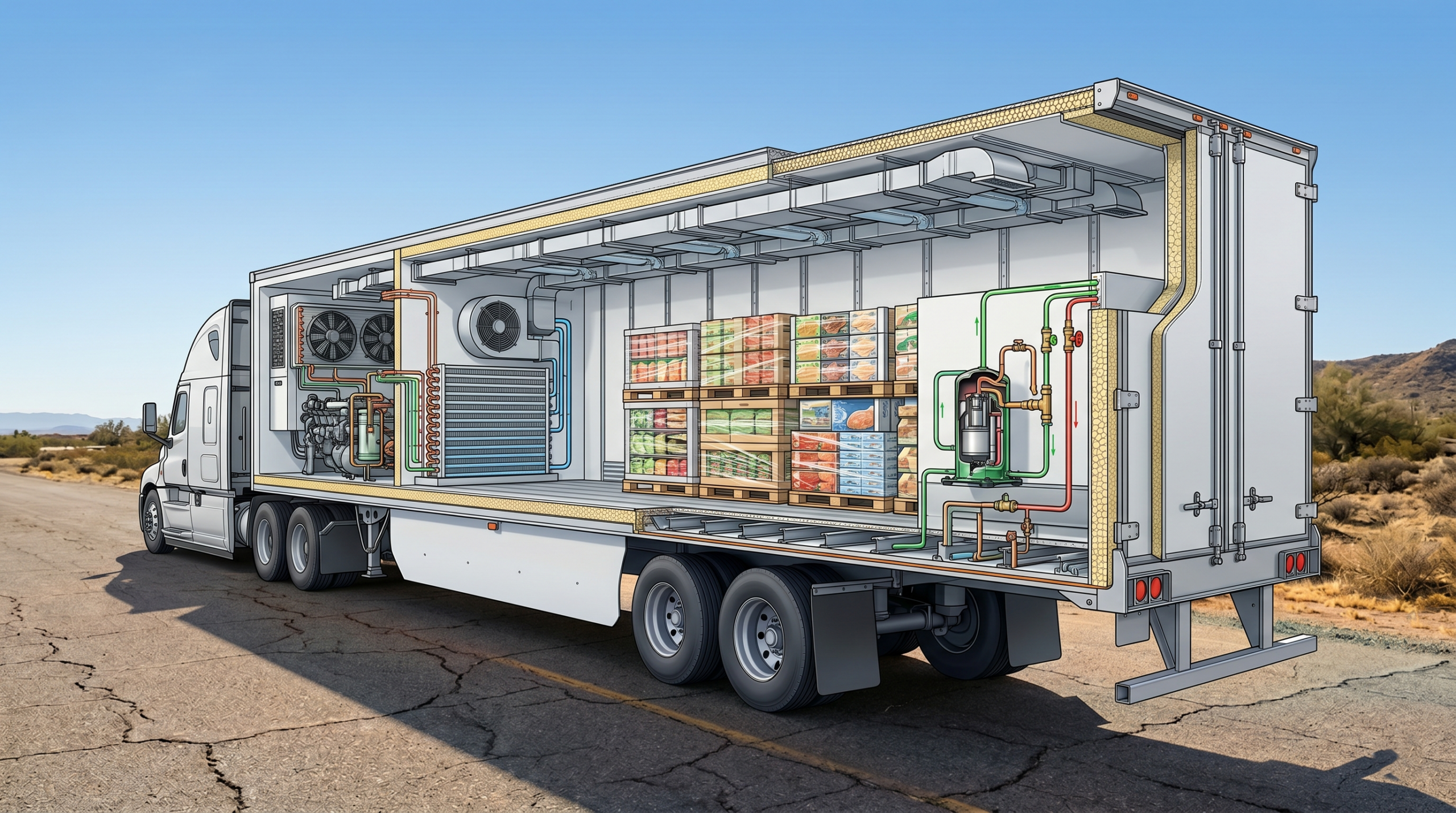
A typical refrigerated transport unit (often called a “reefer”) consists of several integrated mechanical systems:
1. Refrigeration Unit
- Compressor (heart of the system)
- Condenser (heat rejection)
- Evaporator (cooling zone)
- Expansion valve (pressure regulation)
2. Insulated Trailer Body
- Multi-layer panels with foam insulation
- Vapor barriers to prevent moisture ingress
3. Air Circulation System
- Fans ensuring uniform temperature distribution
- Air ducts to prevent hotspots
4. Sensors and Telematics
- Temperature and humidity sensors
- GPS and IoT-based monitoring systems
Engineering Differences in Southern vs. Temperate Climates
Operating in southern climates requires significant engineering adaptations:
| Factor | Temperate Regions | Southern Regions |
|---|---|---|
| Ambient Temperature | Moderate | Extremely High |
| Humidity | Low–Moderate | High |
| Heat Load | Moderate | Very High |
| Equipment Stress | Low | Severe |
Key Engineering Challenges in Southern Refrigerated Transport
High Ambient Temperature Impact on System Efficiency
In southern regions, external temperatures can exceed 40°C. This directly affects refrigeration performance:
- Compressors must work harder to maintain internal temperatures
- Condensers struggle to reject heat efficiently
- Cooling capacity drops significantly
Engineering implication: Oversized or high-efficiency compressors are often necessary.
Humidity and Moisture Control Issues
High humidity introduces multiple risks:
- Condensation inside the cargo area
- Mold growth and microbial contamination
- Degradation of packaging materials
Moisture infiltration also increases thermal load, making cooling less efficient.
Fuel Consumption and Energy Inefficiency
Traditional diesel-powered refrigeration units face:
- Increased fuel consumption under heavy load
- Inefficiencies due to constant compressor cycling
- Energy losses through poorly insulated structures
This leads to higher operational costs and environmental impact.
Temperature Fluctuations During Loading/Unloading
Every time the trailer door opens:
- Warm air rushes in
- Cold air escapes
- Thermal equilibrium is disrupted
This creates thermal shock, especially harmful to sensitive goods like vaccines or fresh produce.
Heat Transfer and Thermal Load Calculations (Engineering Foundation)
Basics of Heat Gain in Refrigerated Transport
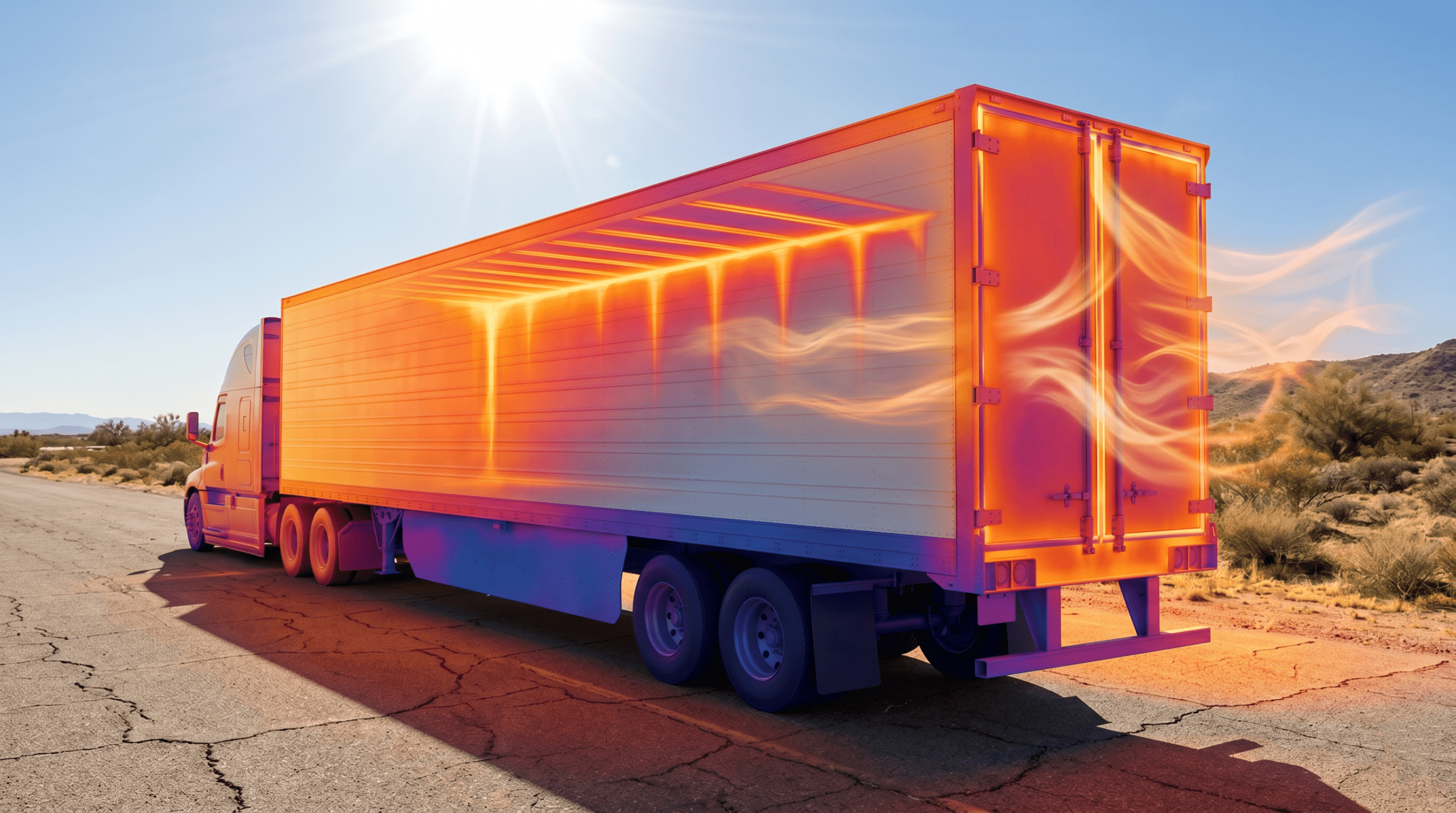
Understanding heat transfer is essential for optimizing system performance. Heat enters the refrigerated space through:
1. Conduction
- Through walls, floor, and ceiling
- Depends on insulation material and thickness
2. Air Infiltration
- Door openings
- Leaks in seals
3. Product Load
- Initial temperature of goods
- Respiration heat (in fresh produce)
Estimating Cooling Load Requirements
Cooling load depends on multiple variables:
- External temperature (ambient conditions)
- Internal setpoint temperature
- Insulation properties
- Frequency of door openings
A simplified heat transfer equation:
Q=U⋅A⋅ΔTQ = U \cdot A \cdot \Delta T
Where:
- QQ = Heat transfer rate
- UU = Overall heat transfer coefficient
- AA = Surface area
- ΔT\Delta T = Temperature difference
Real-World Example Calculation
Consider a refrigerated trailer operating in:
- External temperature: 40°C
- Internal temperature: 4°C
- Surface area: 80 m²
The large temperature difference (ΔT=36°C\Delta T = 36°C) dramatically increases heat gain.
Engineering insight: Even small improvements in insulation can significantly reduce cooling load.
Design Optimization Strategies for Southern Refrigerated Transport
Advanced Insulation Materials and Panel Design
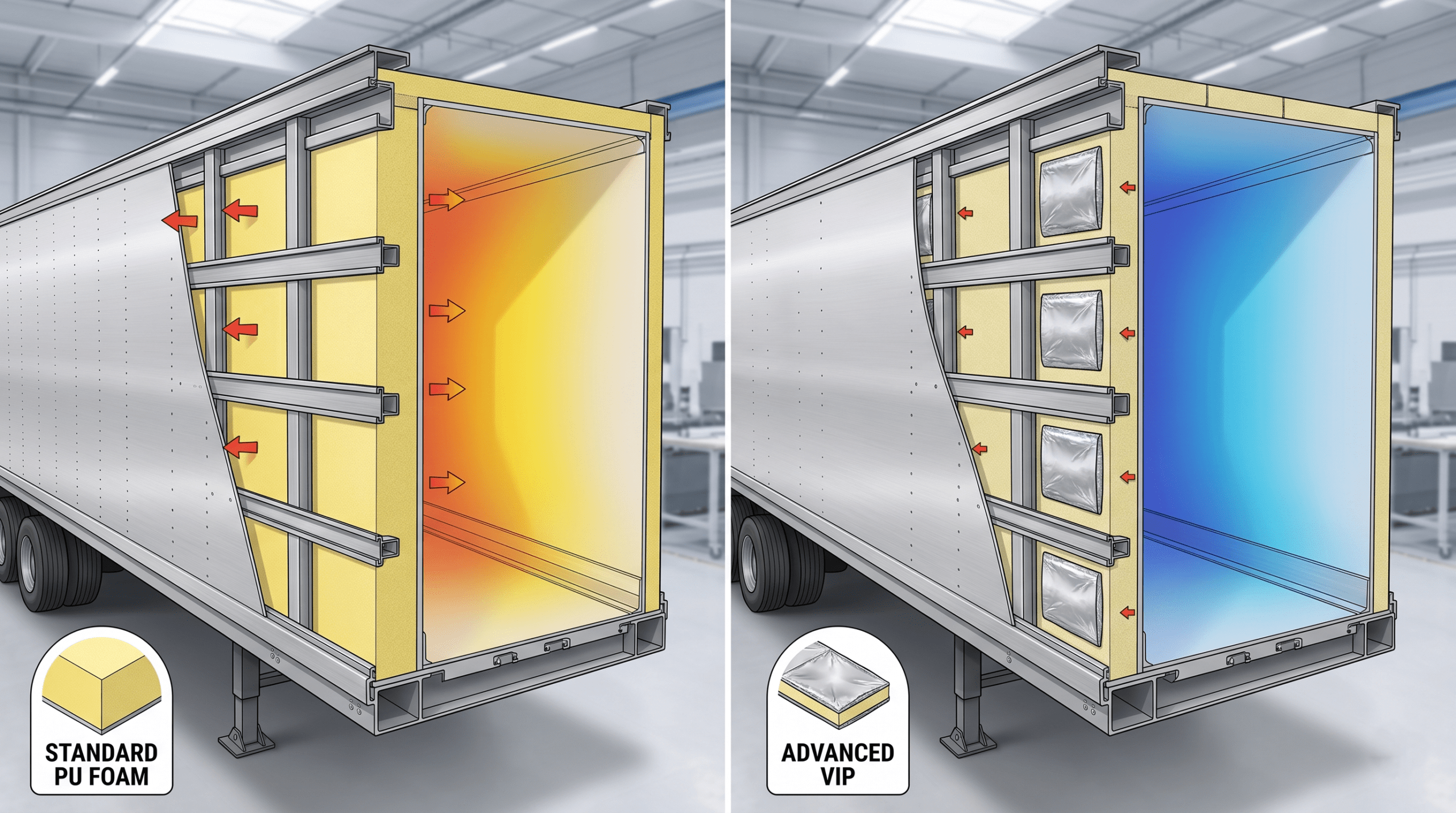
Modern insulation technologies include:
- Polyurethane foam (PUF) — widely used
- Vacuum Insulated Panels (VIPs) — superior performance
Best practices:
- Increase insulation thickness
- Minimize thermal bridges
- Use reflective outer coatings to reduce solar heat gain
Aerodynamic Trailer Design for Energy Efficiency
Reducing drag improves overall system efficiency:
- Lower fuel consumption
- Reduced engine load
Aerodynamic enhancements include:
- Rounded edges
- Side skirts
- Roof fairings
Smart Airflow Management Systems
Poor airflow leads to uneven cooling. Engineering solutions include:
- Optimized duct placement
- High-efficiency circulation fans
- Load spacing guidelines
Multi-Temperature Compartment Engineering
Modern systems allow:
- Simultaneous transport of frozen and chilled goods
- Independent temperature zones
This improves logistics efficiency and reduces operational costs.
Energy Efficiency Improvements in Refrigerated Transport
Transition to Electric and Hybrid Refrigeration Units
Electric systems offer:
- Lower emissions
- Reduced noise
- Higher energy efficiency
However, challenges in southern regions include:
- Battery performance under high temperatures
- Limited charging infrastructure
Solar-Assisted Refrigeration Systems
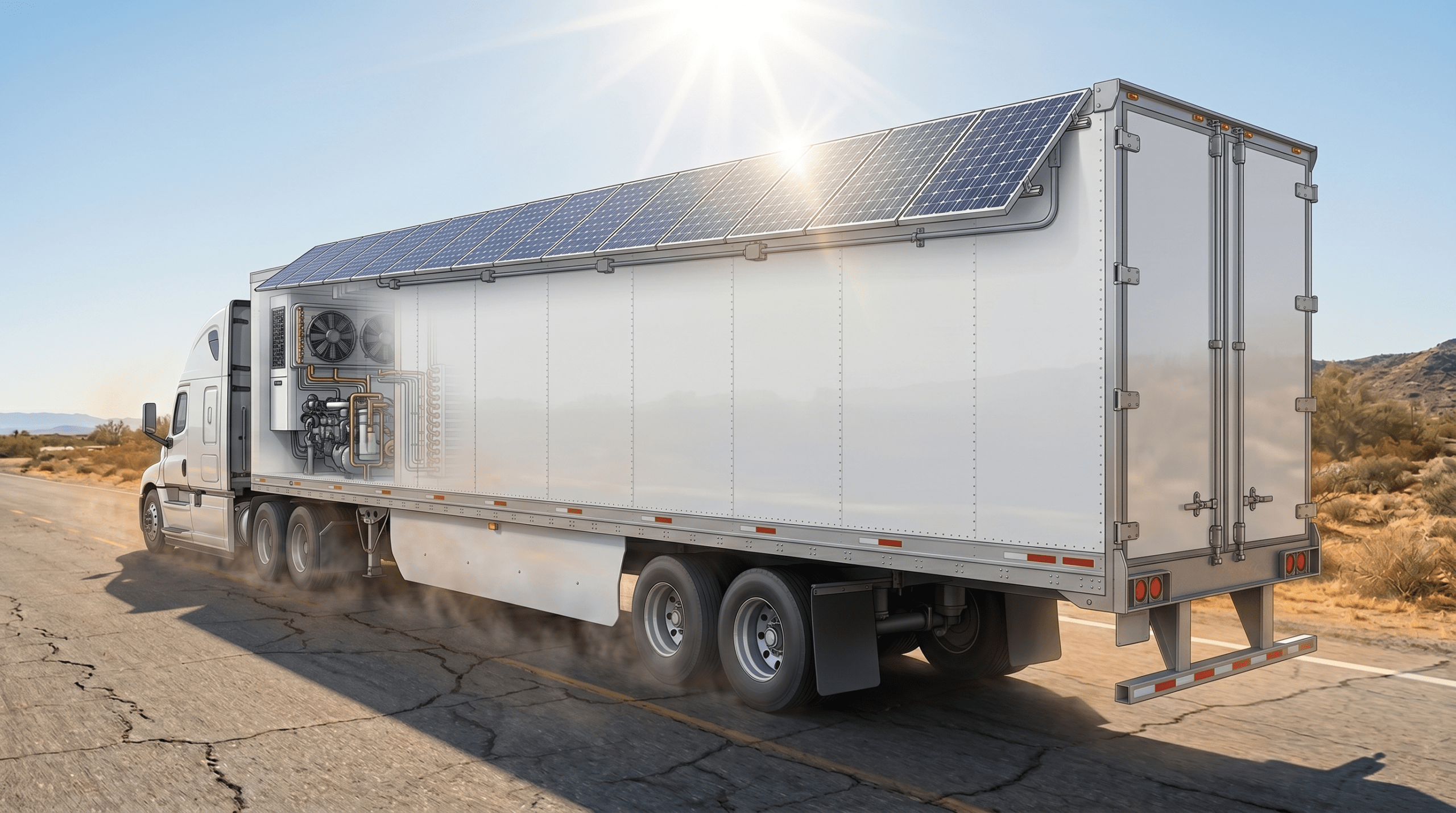
Southern regions receive abundant sunlight, making solar integration viable:
- Roof-mounted solar panels
- Supplementary power for refrigeration units
Benefit: Reduced fuel dependency and operating costs.
Variable Speed Compressors and Smart Controls
Unlike traditional fixed-speed systems:
- Variable compressors adjust output based on load
- Reduce energy waste
- Improve temperature stability
Reducing Idle Time and Fuel Consumption
Operational strategies:
- Route optimization
- Minimizing delays
- Automated engine shut-off systems
Reducing Spoilage and Maintaining Product Integrity
Temperature Monitoring and IoT Integration
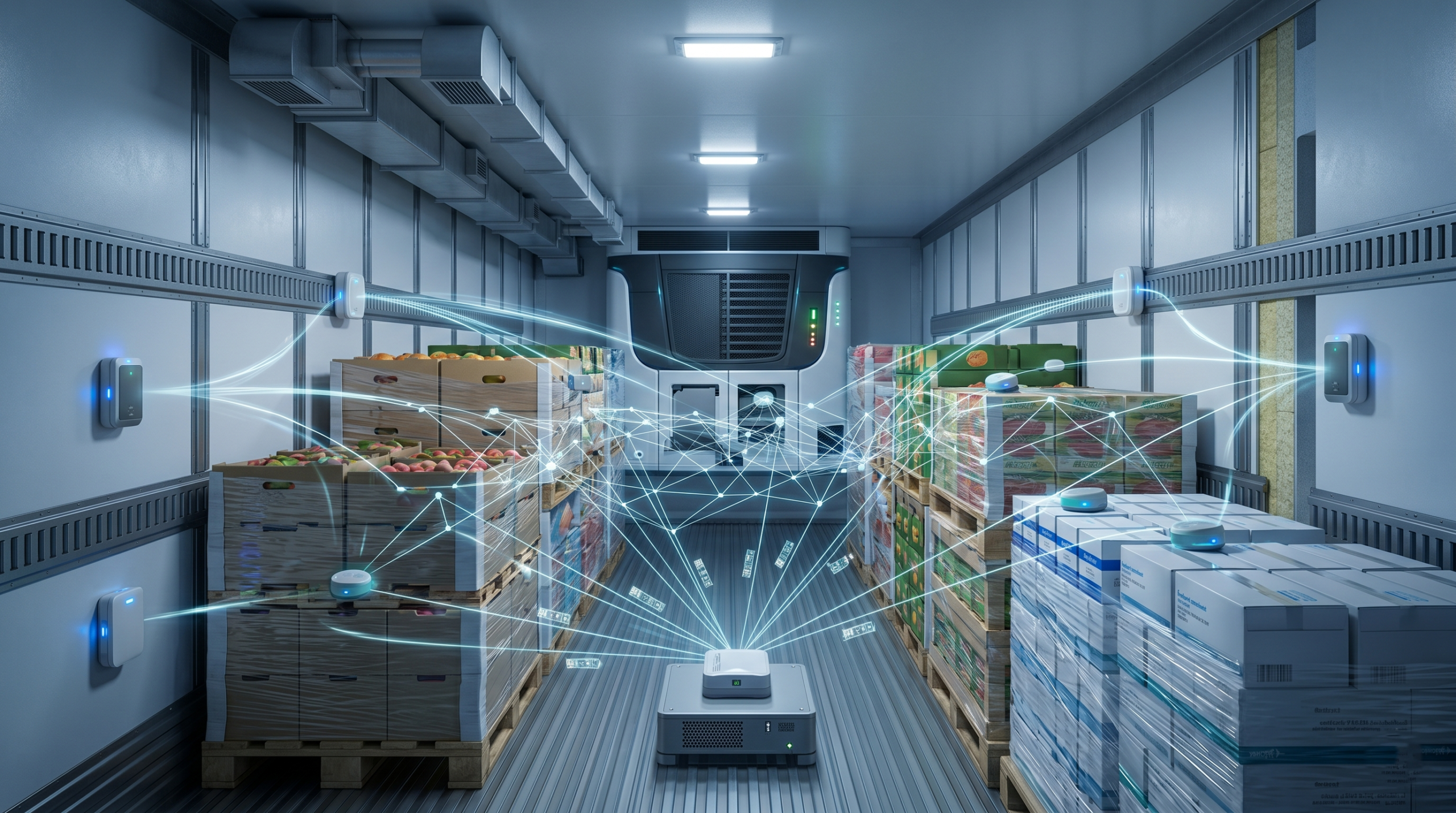
Modern cold chains rely on:
- Real-time temperature tracking
- Cloud-based monitoring systems
- Automated alerts for deviations
Best Practices for Loading and Packaging
- Pre-cool cargo before loading
- Avoid overpacking
- Ensure proper airflow pathways
Cold Chain Failure Points and Prevention
Common failure points:
- Human error
- Equipment malfunction
- Poor maintenance
Preventive measures:
- Staff training
- Regular inspections
- Redundant systems
Regulatory Standards and Compliance
Compliance ensures safety and quality:
- HACCP (Hazard Analysis Critical Control Points)
- International cold chain standards
Maintenance and Reliability Engineering
Preventive Maintenance Strategies
- Routine inspections
- Refrigerant level checks
- Cleaning condenser coils
Common Mechanical Failures in Southern Conditions
- Compressor overheating
- Seal degradation
- Refrigerant leaks
Predictive Maintenance Using Data Analytics
- Sensor-based diagnostics
- Failure prediction models
- Reduced downtime
Case Study: Optimizing Southern Refrigerated Transport for Agricultural Supply Chains
Problem Scenario
A logistics company transporting tropical fruits experienced:
- 25% spoilage rates
- High fuel consumption
Engineering Solutions Implemented
- Upgraded insulation panels
- Installed IoT monitoring systems
- Optimized airflow design
Results
- Spoilage reduced to under 10%
- Fuel costs decreased by 18%
Future Trends in Southern Refrigerated Transport Engineering
AI and Machine Learning in Cold Chain Optimization
- Predictive cooling adjustments
- Smart routing systems
Sustainable Refrigerants and Environmental Impact
- Low Global Warming Potential (GWP) refrigerants
- Regulatory compliance
Autonomous Refrigerated Transport Systems
- Self-driving reefer trucks
- Integrated smart logistics
Expert Tips for Engineers and Fleet Operators
- Prioritize insulation upgrades before increasing cooling capacity
- Continuously monitor temperature data in real time
- Invest in energy-efficient compressor systems
- Train personnel in cold chain best practices
- Use advanced route optimization tools
Frequently Asked Questions (FAQs)
What makes southern refrigerated transport more challenging?
High temperatures and humidity significantly increase thermal loads and system stress.
How can energy consumption be reduced?
Through better insulation, variable-speed compressors, and optimized routing.
What is the ideal insulation thickness?
It depends on climate, but thicker insulation is generally required in hotter regions.
How do IoT systems improve reliability?
They provide real-time monitoring and early warnings for system failures.
Are electric refrigeration units viable?
Yes, but infrastructure and thermal management must be considered.
Conclusion — Engineering the Future of Efficient Southern Refrigerated Transport
Southern refrigerated transport is far more than a logistics challenge—it is an engineering problem that demands precision, innovation, and continuous optimization.
By focusing on:
- Heat transfer management
- Advanced insulation
- Smart energy systems
- Real-time monitoring
Engineers and operators can dramatically reduce spoilage, lower costs, and improve system reliability—even in the harshest climates.
The future lies in integrating intelligent systems, sustainable technologies, and data-driven decision-making to build a resilient and efficient cold chain.